Venues that combine indoor and outdoor elements saw the biggest overall rise in footfall in an up-and-down year for visitor attractions across the UK.
The Association of Leading Visitor Attractions’ (Alva) latest figures show that sites with both indoor and outdoor space, such as heritage sites and stately homes, reported a total increase of 2.4% in visits in 2024, the biggest rise of all attraction types.
Risk-taking played a role in their success, said Alva’s director Bernard Donoghue, with numbers driven up by ambitious temporary projects such as large-scale displays and winter light shows.
Castle Howard, a country house in North Yorkshire, was one such site, reporting a 15% boost in visitors thanks to a contemporary sculpture show and popular Christmas offering.
Five years on from the start of the pandemic, the total figures for all of Alva’s 400 members show that 2024 was a mixed year for visitor attractions amid a sluggish post-Covid recovery.
The rate of growth slowed last year, with attractions reporting 157.2m visits overall, a shallow increase of 3.4% in 2024 compared to the significant jump of 19% they saw in 2023.
Advertisement
A number of London’s national museums saw more significant increases. The British Museum topped the list for the second year running with almost 6.5m visits, an 11% increase on 2024 and a 4% rise on 2019, the last year before the pandemic.
Director Nicholas Cullinan said seeing visitor numbers exceed pre-Covid levels was a “testament to the power that museums and galleries hold in bringing people together – as well as a reflection of our incredible staff and the passion of our visitors”.
The Natural History Museum – the most-visited indoor venue in the first two years post-pandemic – had another successful year, with footfall up 11% on 2023 and 16% on 2019.
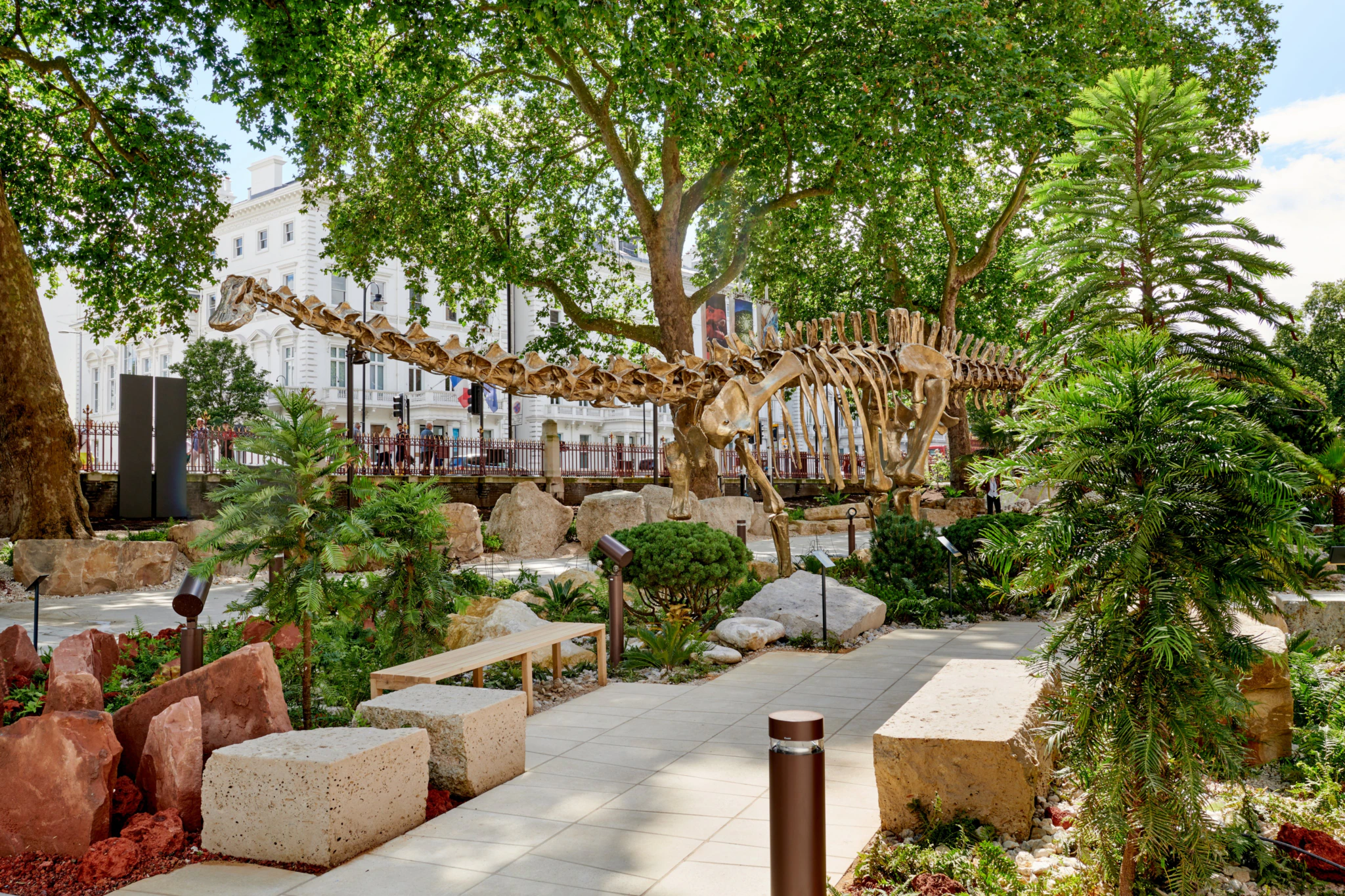
The South Kensington museum opened a number of new attractions in 2024, including its transformed outdoor spaces and wildlife gardens, overlooked by the museum’s new bronze diplodocus, Fern.
Notable increases in London included the National Portrait Gallery, which reopened in summer 2023 and moved up nine places to 18th place, following a 36% increase with 1.58m visits.
The Young V&A, which also reopened in 2023, welcomed 596,100 visits in 2024 and moved up 35 places to 63rd place, with an increase of 47% on 2023 and 56% on 2019.
Advertisement
It was a mixed picture for London’s art galleries. Fourth on the list with 4.6m visits, Tate Modern saw a drop of 4% on the previous year; its post-pandemic recovery has been also slow, with visits remaining 25% lower than the gallery’s 2019 figures.
Tate Britain saw an increase of 12% in 2024 but remained 32% lower than 2019. The Royal Academy (RA) saw visits drop 12% on its 2023 figures, with footfall 50% lower than it was in 2019.
Tate and the RA are among a number of large institutions currently enacting redundancy programmes in light of the slow post-Covid recovery.
The National Gallery reported a 3% rise in footfall in 2024, its bicentenary year, but the gallery remains 47% down on its 2019 figures.
Royal Museums Greenwich sites also reported a dip, with visits down 11% on 2023 and 22% lower than 2019.
The National Museum of Scotland was the most-visited attraction in Scotland, moving one place up to 11th on the list with 2.31m visits. The institution’s figures were 6% higher than the previous year and 5% higher than they were in 2019.
Advertisement
The museum was one of three Scottish institutions in the top 20, with Edinburgh Castle proving to be Scotland’s highest paid-for attraction in 15th place, although its figures fell 9% on 2023.
The National Galleries Scotland: National, which opened a suite of new galleries in 2023, had a record-breaking year, welcoming 1.99m visits, a 9% increase to 14th place.
In Wales, the most visited attraction was Sain Ffagan Amgueddfa Werin Cymru - St Fagan’s National Museum of History, coming in 62nd place with 600,690 visits. The museum will play host to this year’s Museums Association annual conference.
St Fagans was followed by the National Museum Cardiff with 373,382 visits, bringing it to 117th place. Visits to the museum grew 1% in 2024 but remained 19% lower than in 2019.
Join us at St Fagans for Conference 2025
7-9 October
We’re delighted to announce that the theme of this year’s conference will be Perthyn – Belonging.
The Titanic Belfast remains Northern Ireland’s most visited attraction, reporting a 10% increase to 881,573 visits in 2024 and moving up eight places to 35th place. Hillsborough Castle, part of Historic Royal Palaces, saw the nation’s biggest percentage increase of 20%.
The shallow overall rise is “reflective of the fact that we have yet to see the return of the total number of overseas visitors to the UK we saw pre-pandemic, and the ongoing effects of the cost of living crisis”, Donoghue told Museums Journal.
“As we left Covid lockdown, we entered a cost of living crisis, increased energy costs, inflationary pressures, recession and the increased cost of doing business.”
Visitors are becoming more selective about how they spend their money, with free attractions doing particularly well, he said.
“While domestic visitors are still prioritising day visits to their favourite attractions – creating special memories with special people at special places – they are making very tactical decisions about how they spend their leisure pounds and leisure hours.”
Despite the slow growth, Donoghue said that the museums and galleries on the list had a largely successful year, with visitors considering them good value for money.
“Museums and galleries comprise the clear majority of the UK's 20 most popular attractions not just because of blockbuster exhibitions but because of their enduring appeal to domestic and overseas visitors alike,” he said.
“As visitors weigh up the relative value of a membership of a gallery, a museum or visitor attraction against a subscription to a streaming service, for example, visitor attractions need to be clear about the added value they represent, the enjoyment and entertainment they can provide, and the totality of the visitor experience, including catering and retail.”
However he warned that the difficulties facing the visitor attraction sector were unlikely to improve in 2025.
“This year will prove to be another challenging year for the visitor economy, possibly as challenging as 2024, and that calls for more creativity, ingenuity, a greater appetite for risk, and a desire to work with unusual suspects in fostering creative partnerships to entice new audiences,” he said.
Notable percentage increases
England
The Museum of Liverpool saw a 19% increase and moved 12 places to 41st with 829, 692 visitors
The Pitt Rivers Museum in Oxford with a 27% increase to 509,703 visitors and a move of 22 places to 80th.
The Fitzwilliam Museum, which unveiled redeveloped galleries last year, had its busiest year on record, with a 25% increase to 506,428 visitors (81st place).
Newcastle's Laing Art Gallery saw a 57% increase that moved it 43 places to 192,013 visitors
Lotherton Hall, part of the Leeds Museums & Galleries) saw a 37% increase and moved to 168th place with 228,065 visitors.
Castle Howard saw a 15% increase to 297,054 visits.
Sites belonging to the Science Museum Group had a successful year after opening a number of redevelopments ahead of this year's railway bicentenary.
The National Railway Museum in York saw a 10% increase to 690,810 visitors, which was credited to the first full year of its new Wonderlab: The Bramall Gallery, as well as the Flying Scotsman locomotive being at the museum during the first half of 2024. Locomotion in Shildon saw a 31% increase, with 164,486 visits - attributed to the opening of its New Hall in May 2024.
Scotland
Stately homes and castles had a successful year, with House of the Binns, a National Trust for Scotland property in West Lothian, reporting a huge 315% increase to 29,799 visits.
Craigiever Castle in Aberdeenshire, a pink castle said to be the inspiration for Walt Disney's Cinderella Castle, grew visits by 285% to 29,799.
Abertarff House and Caerlaverock Castle grew visits by 150% and 114% respectively.
Among museums, Culloden Visitor Centre in Inverness reported a 43% rise to 374,443 visits while St Mungo Museum of Religious Life And Art grew footfall by 26% to 186,963.
Glasgow's Burrell Collection saw visits rise by 12% to 556,081, bringing it up eight places to 69th on the list.
Wales
Alva has seven museum members in Wales. Of these, four reported modest increases in 2024 and three saw their numbers fall.
The National Waterfront Museum Swansea was the museum with the largest increase on the list, with visits up 6% to 241,080.
Footfall at the National Wool Museum rose 4% to 20,503. St Fagans and the National Roman Legion Museum both reported rises of 1%.
Post-pandemic recovery in the nation has been slow, with all museums on the list still lagging behind their 2019 figures.
Northern Ireland
Hillsborough Castle reported the highest percentage increase on the list, with visits rising 20% to 109,639.
Visits to Titanic Belfast rose 10% to 881,573, moving it up eight places to 35th on the list. The Ulster Museum saw a 9% increase to 534,865 and moved from 79th to 74th place.
Footfall was down the Ulster American Folk Park (-7%) and Ulster Transport Museum (-16%), both of which are at the start of an ambitious redevelopment, and HMS Caroline (-70%), which is currently exploring a new opening model.