From free entry to exclusive events, many museums offer membership schemes that entice visitors to save money while being part of something special.
But it’s not always straightforward, with many factors influencing whether a scheme is a success. Membership schemes can be attractive to audiences, especially those who are regular visitors.
Should you join the club?
Organisations with high visitor numbers such as Tate, the British Museum and RA receive huge income from them, but they can also work for smaller venues. Benefits normally include free or discounted entry, although there can be additional perks.
Tate offers access to members-only spaces and dedicated times when they can visit the galleries without non-members. They also get a subscription to Tate magazine and a discount at its shops, alongside the more traditional benefits such as free entry to temporary exhibitions and invitations to special events.
Like many organisations, Tate’s visitor numbers remain below its pre-pandemic levels, and financial pressures have led to it reducing staff costs. Its 145,000-strong membership scheme is Tate’s largest source of income after government grant-in-aid.
Advertisement
“Members are incredibly important to Tate,” says Monica Thomas, the gallery’s head of membership. “They enable us to deliver exhibitions and displays in our galleries, grow and care for our collection, and provide a bedrock of support for everything we do.”
Building connections
As well as generating income, schemes can help build belonging and connections.
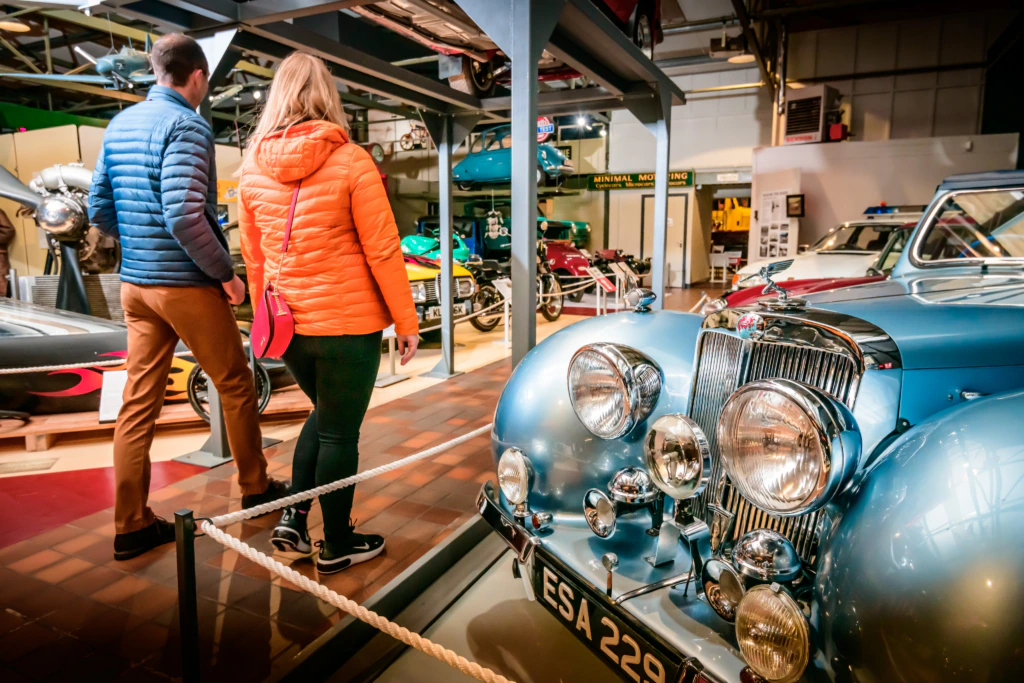
Ross McKirdy, museum manager at Grampian Transport Museum in Aberdeenshire, says: “We’re a volunteer-led membership-based organisation, and this has created a community of supporters who believe in what we do and support us.
“Membership offers excellent value to our repeat visitors who have already bought into the museum cause and come back time-and-time again for events, exhibitions or a coffee and a chat with the team.
“There are members who are members because of the value proposition, but I would say the vast majority are with us because they believe in what we do.”
Advertisement
As invested supporters, members can often be counted on to contribute to additional museum fundraising activities.
The challenges
Despite the benefits, membership schemes can come with risks. “It’s important to note that membership schemes aren’t always a good idea, especially for museums that offer free entry,” says Cath Longley, director and lead fundraising consultant at Yorkshire-based consultancy Good Fundraising.
The cost of staff time to administer membership schemes means that even schemes with significant numbers of members can cost more than they bring in. This is especially true for lower-level schemes aimed at individuals and families, Longley warns.
Even ticketed venues need to carefully consider the financial impact of membership schemes and calculate prices accordingly to ensure they don’t clash with other commercial goals and reduce overall income.
“Membership schemes can also create a transactional relationship with supporters, based on what they can receive from the museum, rather than a philanthropic relationship whereby they are wanting to support the fabulous work and activities of the museum that they care about,” says Longley.
Advertisement
So, how can museums weigh up whether a membership scheme will work for them? And, if they do go ahead, how do they decide on a pricing structure and what benefits to include?
Getting the price right
The cost for membership should take into consideration the demographics of a museum’s local area and target audience.
“Tate members remained loyal through the pandemic with very little decline in numbers,” says Thomas. “In the years since, the rising cost of living has become an issue, so we have found ways to ensure membership remains as affordable and flexible as possible.
"For example, we now offer monthly payments to spread the cost over the year, making Tate Membership cheaper than a standard television or music-streaming subscription.”
Longley says it’s vital that a cost/income exercise be carried out to identify the target number of members that would be sufficient for the scheme to be worthwhile, and to understand the potential impact on other income streams.
It is important to involve people from your organisation’s commercial teams, as well as staff and volunteers with visitor-facing roles, to understand what supporters are able and willing to give.
Some membership schemes offer tiered pricing, but this isn’t always the best option.

“Tiered pricing at the lower levels can cause a nightmare for administration,” warns Longley. “I always believe in trying to keep everything as simple and straightforward as possible.
"However, if a corporate scheme is being developed at a higher level than an individual membership scheme, then having a few tiers can help distinguish between the size of companies and their ability to give. Benefits would have to be differentiated according to the level of the scheme.”
Tate’s Thomas says it’s important not to see membership as having a “cost” to the organisation.
“The members who use their benefits most – by visiting exhibitions, spending time in the Members’ Rooms, getting discounts in the shops and so on – tend to remain members for longest,” she says. “We want everyone to get maximum value from their membership.”
What members want
Understanding what people want from a membership scheme can be a good place to start working out what benefits to include.
With existing membership schemes, it’s worth periodically reviewing the offer to see if any changes would help entice new members or retain existing ones.
“Part of our board are elected from our membership, and we interact with our members constantly when they visit, and capture their feedback,” says McKirdy from Grampian Transport Museum.
“We regularly solicit feedback from them through our member emails, and do get some really valuable comments that have informed decisions around the membership scheme.”
Researching what audiences want helped Tate to develop a separate membership for young people. “The vast majority of Tate’s programme is free, but ticketed exhibitions are a very important and prominent part of our public offer,” says Thomas.
“Our research showed that the cost of exhibition tickets was proving to be a real barrier for young people. So we created Tate Collective, a free scheme for 16- to 25-year-olds, which enables them and their friends to see any exhibition for £5 and to attend exclusive events tailored to their generation. Tate Collective now has more than 180,000 members and they have become a core part of our audience.”

Longley recommends that, wherever possible, benefits should have no or low cost to the museum. Examples include early notice of events or invitations to exhibition openings that would be happening anyway.
“These benefits also mean the member is getting something special that can’t be bought and will lead to a less transactional relationship,” she says.
Recruiting and retaining members
Promoting the benefits of membership to attract new sign ups, alongside keeping current members engaged, is key to running a successful scheme.
“Our galleries welcome more than six million visitors a year, so it’s important for us to make the membership offer visible on site,” says Tate’s Thomas. “We also highlight the benefits of membership when people are buying tickets, whether in person or online, because you can really demonstrate the value for money at that moment.”
Communicating with members helps them feel valued and can boost retention levels.
“We communicate with members regularly – digitally through emails and social media as well as through publications like our programme guide and magazine,” says Thomas. “They also communicate with us, providing vital feedback to help inform what we do and how we do it.”
Longley recommends that museums think about the messaging around membership and ensure the call to “join now” is visible on-site and online.
“It is important that fundraising messages and communications are included alongside good news stories about the museum and details of what is happening there,” she says.
“Fundraising communications should not be separate, but woven into any narrative about the venue, as it is the gallery or museum that members are interested in and are engaging with, not a standalone scheme. If the scheme is effective and people have a good experience, then word of mouth will also help.”
At Grampian Transport Museum, the team is working to enhance the membership offer, with the aim of making sure members feel valued, and that they think they are getting something in return.
As McKirdy says: “We are putting belonging at the heart of our membership – belonging to the museum community and being a part of what we do.”
Caroline Butterwick is a freelance journalist