The Christmas period can be a quiet one for museums, but offering a high-quality themed event is a surefire way to ensure decent visitor figures while potentially generating income. It’s also an opportunity to attract new audiences that may not think your museum is for them.
English Heritage has developed a successful Christmas events programme across its sites. Each is tailored to a property, drawing on the knowledge of staff and volunteers to bring out unique stories or traditions.
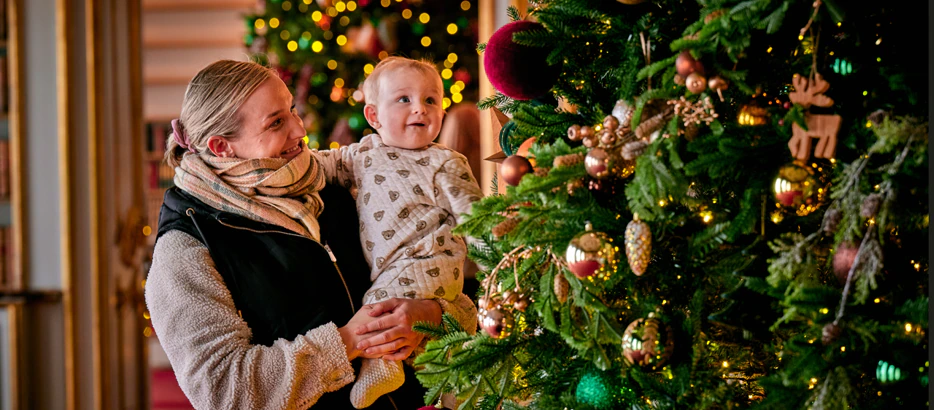
In 2025, it offered Father Christmas meet and greets, hands-on crafts, trails, festive markets and projects such as community wreathmaking, coupled with comforting food and drink options.
Hear more practical advice on generating income through events
Book your place on Money Talks: Income Generation for Museums
“We focus on sensory touches – light, sound, texture and even scent to make each experience memorable,” a spokesperson for the charity tells Museums Journal.
As a Christmas event will have to compete with those offered by other visitor attractions, as well as retail outlets, understanding what appeals to visitors will help you decide what format will work best in your venue.
Advertisement
English Heritage mines its own audience surveys and segmentation – for example, families wanting to experience traditions such as meeting Santa, younger visitors looking for unique social events such as festive light trails, shoppers seeking unusual gifts, or local communities craving warm, sensory winter moments.
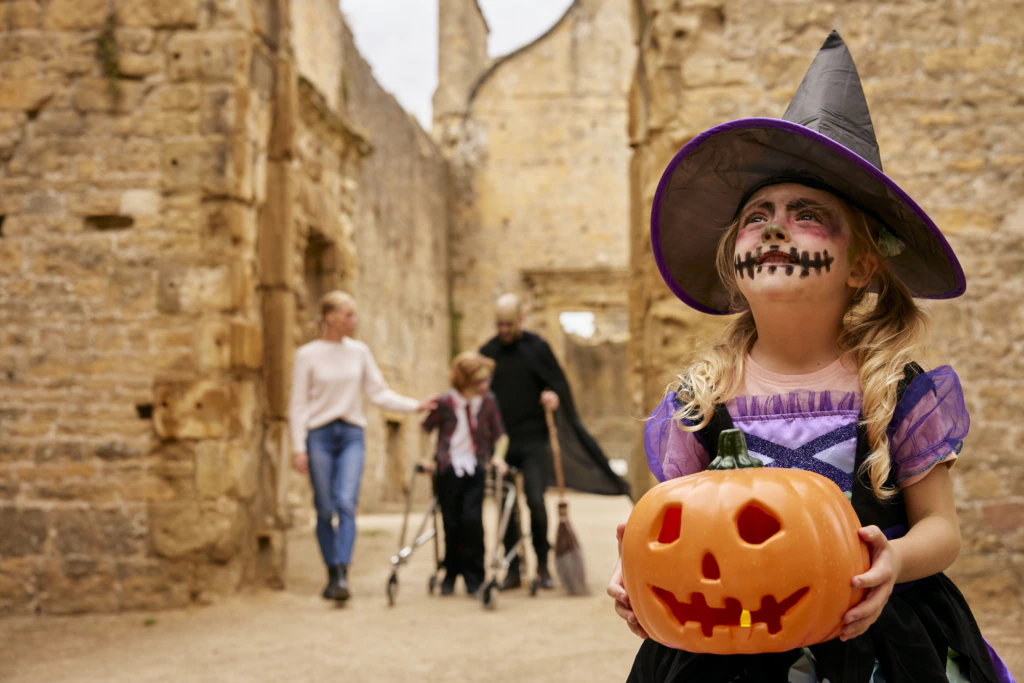
Other popular holidays such as Easter or Halloween coincide with school breaks, providing the option to run family-friendly trails.
Public interest in ancient and folk festivities also offer the opportunity for seasonal engagement. The Scottish Crannog Centre stages ancient and folk festivals, including an annual Celts event, where crafters, storytellers, musicians and speakers are invited to run activities.
“It’s one of our most successful each year, which we believe is due to the variety of activities available and the opportunity for visitors to actively engage with Celtic culture and traditions,” says Georgia Holmes, the centre’s day manager and marketing officer. “Successful events should feel different from a standard day-to-day museum visit, while linking to the time of year and the museum’s collection.”
As a rural museum, the Scottish Crannog Centre needs its events to be engaging enough to ensure visitors are willing to travel a significant distance to attend.
Christmas is a year-round endeavour for English Heritage, with its retail department finalising ranges as early as February and events teams booking the “right” Father Christmas in March. The summer months are a time for detailed event planning, while marketing starts in early September, which is when many families begin thinking about their December plans.
A spokesperson for the charity says: “Insight shows a growing shift towards prioritising shared experiences and social activities over expensive presents, which places our events at the heart of many families’ seasonal traditions. Because the festive landscape is so competitive, we aim to begin our marketing early – but thoughtfully, so we don’t reach people before they’re ready.”