From candlelit tours and life drawing classes to silent discos and themed sleepovers, the past 20 years has seen an explosion of creative after-hours events at museums and galleries.
Museum lates were a fixture on the social calendars across the UK before Covid, with London’s Victoria and Albert Museum (V&A) generally considered to have led the way with its Friday Lates programme.
Six years on from the first lockdown, many venues are dipping their toes back in – but recognise that audiences have changed and what worked in 2019 may not work now.
What are museum lates?
Generally, lates include curated or programmed events that take place after the museum has “closed”, as well as extended opening hours to a specific exhibition or display.
“Lates were created to draw in people you might not attract to the museum otherwise,” says Lucy Woodbridge, head of commercial events, experience and catering at Imperial War Museums and a former head of visitor events at London’s Natural History Museum.
Advertisement
Before Covid, the lates event market was estimated by Culture24 (now part of the Audience Agency) to be worth £10m a year, with potential for substantial growth. The Museums At Night Festival, run by Culture24 from 2009 to 2020 when it was forced to close due to a lack
of funding, played a crucial role in supporting and raising awareness of after-hours events and festivals.
“If we can develop lates as a distinct strand of museum practice the museum/gallery sector can build capacity and reach untapped demand, creating new and increased income streams and attracting new people into their spaces,” wrote Nick Stockman in the introduction to the 2019 Culture of Lates report.
After-hours events also have the potential to widen participation and engagement, especially among young adult audiences and those from under-represented communities.
Quality programming
To succeed, lates must be regular events that are rooted in the needs of their audience and with a clear objective. They also thrive when they are well supported internally and integrated into a venue’s core offer.
Evening and after-hours events in museums and galleries are, by their very nature, social events. Creating a shared social experience is a vital part of a successful event.
Advertisement
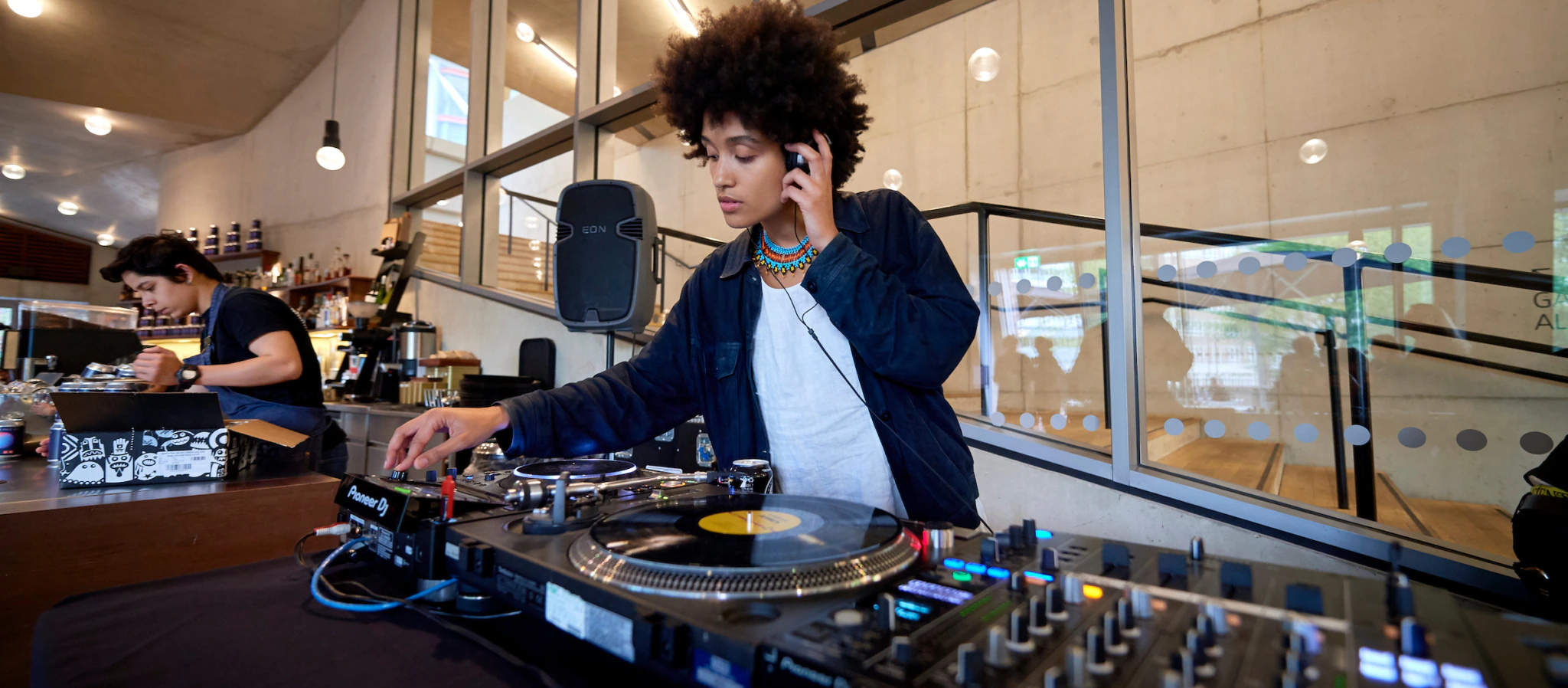
Friday Lates at the V&A features live performances, film screenings, debates and DJs. They take place nine times a year, are free to attend and there’s no need to book in advance.
Tate Lates are also free but people do need to book in advance. The programmes include live music, as well as talks and curatorial tours. The gallery has run special late events for members of Tate Collective, its 16-25-year-old membership scheme.
Manchester’s Science & Industry Museum ran an after-dark event in the Power Hall in March that included a performance from RuPaul’s Drag Race UK star Viola, a lighting and music display, and food and drink pop-ups. Tickets cost £10.
Sheffield Museums runs regular lates, with a suggested donation of £5. The programme always relates to the collection and exhibitions, and booking is essential.
To compete with the many other leisure and social activities available, museums and galleries need to offer a high-quality event worthy of people’s time and money. To help them linger, it may be necessary to serve food, while a well-stocked bar is essential.
Giving people something to do beyond socialising is also key – you might want to offer tours or an activity. But make sure you consider maximum numbers, so that people get the most out of the experience.
Advertisement
Feedback
Getting feedback from visitors, staff and volunteers is vital, not only for measuring success but also for gaining insight into how to approach future events.
Using a ticketing system, even for free events, is a way of collecting data about your audience. It also paves the way for contacting people with follow-up surveys.
Look for a fun way to gather feedback or send a survey the next day, perhaps offering free or discounted tickets for the next event.
People are looking for more from their leisure time and increasingly want unique or tailored experiences. This offers museums a lot of potential – if they can get the offer right.
Tips for success:
- Make lates as regular as possible, so your visitors get used to out-of-hours entertainment.
- Invite the marketing and communications team to be a part of the planning from the very beginning.
- Begin marketing as early as possible – at least four weeks beforehand.
- Social media, including boosting posts, is key. But tailor it to your audience: Facebook for older visitors and TikTok for younger ones. Build posts in the run up highlighting themes and activities.
- Use your newsletter to promote your event to existing visitors.
- Collaborate with a range of local partners, such as festivals, breweries, bars and restaurants.
- Book a photographer to take pictures of events to use in future marketing.
- Offer different ticket options if you are charging, such as group tickets. Groups of people at an event drives volume and creates a buzzy atmosphere.