Free and ticketed events have never been more important for attracting audiences to your museum – and increasing your income. They can include workshops, talks, family days, lates and other activities that are specifically linked to collections, exhibitions, audience development plans or a seasonal event.
The Association for Cultural Enterprises’ Commercial Performance Barometer highlights that events are a key driver of museums’ commercial income.
So what’s the secret to success? Holly Burrows, the commercial manager at the Cartoon Museum in London, says: “The best events are ones that make people feel something – a talk on a topic that gives people lots to contemplate or something that’s really fun and light-hearted.
“Different events bring in different demographics, so it’s key that the venue is welcoming for everyone – that’s something we’ve tried to embed throughout our work here.”
Discover how events can bring in new audiences and drive income
Join our online event Money Talks: Income Generation for Museums on 16 September
Advertisement
Cornwall Museum & Art Gallery’s events programme has been inspired by its temporary exhibitions and permanent displays.
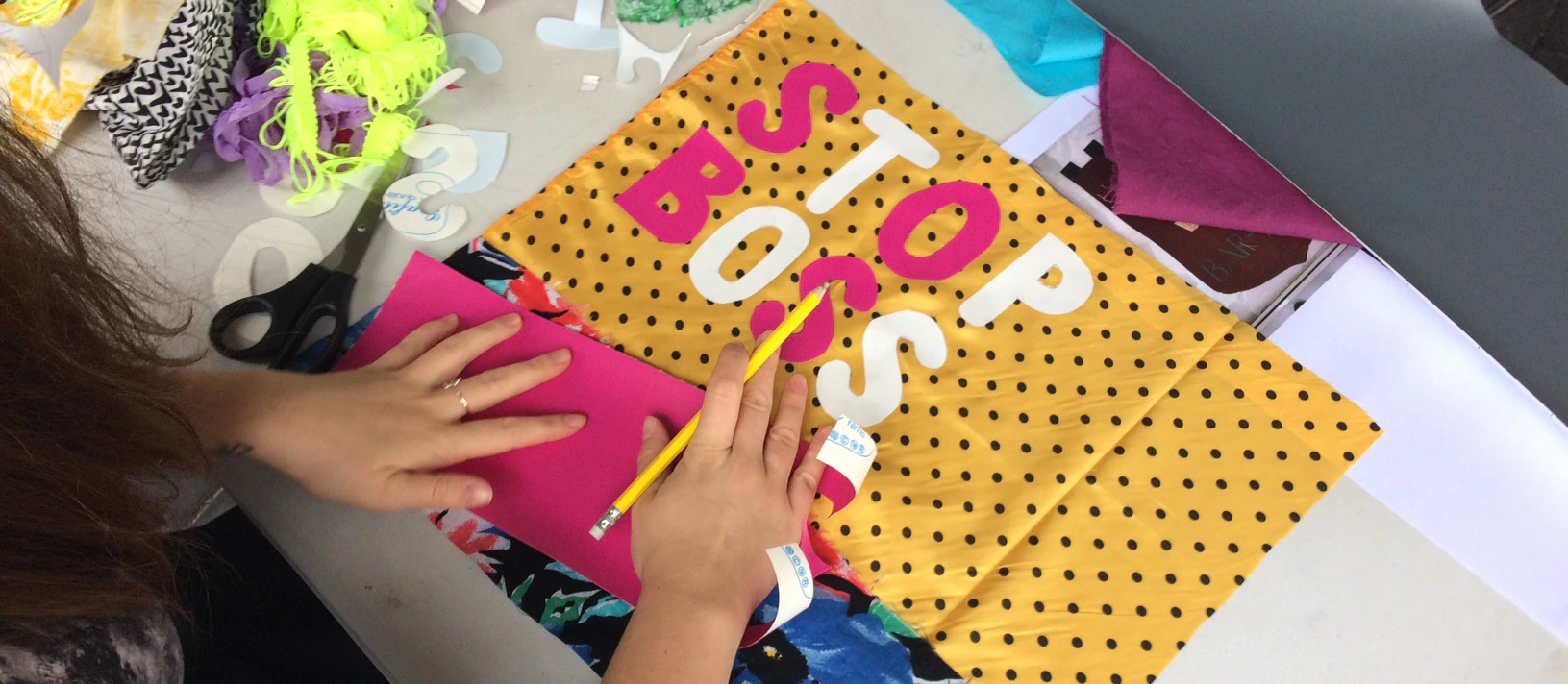
“Museums can feel a bit formal, but events allow the space to come alive,” says co-director Bryony Robins. “Something playful, unconventional or unexpected captures imaginations, creates a sense of fun and transforms the museum into a lively cultural space.”
When the museum’s mineral gallery was relaunched, Stone Club, a local group of rock enthusiasts, was invited to take over the space for an evening of events and activities. They curated a programme of music, poetry, film and art that explored the Cornish landscape and its minerals in ways that Robins says went way beyond traditional interpretation.
It’s crucial that events have a clear connection to a museum’s mission and themes, so visitors can easily see how what they are experiencing relates to the stories on display.
Nuria Lopez, the programme and events officer at the People’s History Museum in Manchester, says: “The events programme accompanying our exhibition On The Line: 100 Years of Strikes and Solidarity (on until 2 November) brings together historians, campaigners and community voices so that visitors can explore its themes of protest, solidarity and workers’ rights. The experience is illuminated by contributors who bring specialist knowledge or lived experiences.”
When developing events, the team starts by looking at the key themes, stories and questions raised by an exhibition and considering how associated programmes can help visitors explore these ideas further.
Advertisement
“From there, we identify contributors whose research, work or lived experience connects meaningfully to those topics,” says Lopez. “This often involves working in partnership with organisations and individuals outside the museum who can offer different perspectives or specialist knowledge.”
Know your audience
Understanding your target audience can shape the way an event is developed and marketed. The Cartoon Museum programmes around school holidays, when it knows its target audience – families – will be looking for things to do.
In Manchester, the People’s History Museum uses audience surveys and feedback to better understand who attends its events and what they value.
“Informal conversations between staff and visitors during events are useful, offering invaluable reflections of people’s experiences,” says Lopez.
Attendance data can also highlight patterns such as popular times of year or days of the week, which helps shape future planning. Events can be a great way of reaching new audiences, as well as keeping existing ones engaged.
Advertisement
At the Cartoon Museum, an event is often an attendee’s first visit, so it’s vital they leave wanting to return.
“We had several events towards the end of last year that each brought in completely new audiences,” says Burrows. “They all featured cartoons or graphic novels that appealed to our core audience, but they were also about literary figures, specific political events in recent history or current world events. For our existing audience, it was a way to introduce them to a potentially new topic through a familiar medium, and for new audiences, it was vice versa.”
In Cornwall, events are promoted to regular visitors through mailing lists and social media platforms.
“Partnerships with artists, community groups and organisations help us connect with people who might not usually visit museums,” says Robins. “By combining our own channels with those of collaborators, we reach wider and more-diverse audiences, bringing new voices into the building.”
Designing your event
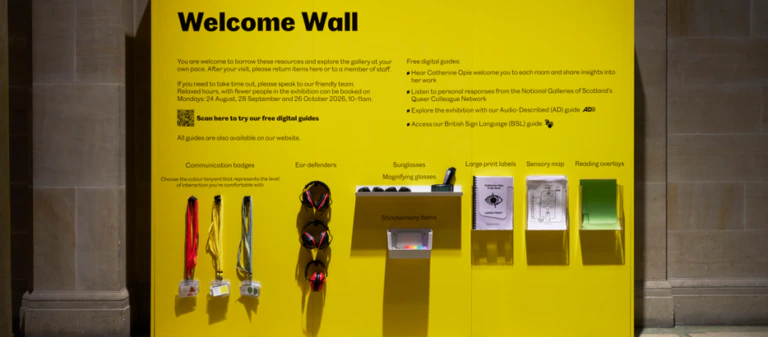
As with exhibitions, it’s vital that events are designed with accessibility and inclusion in mind. “Clear communication ahead of events – particularly around accessibility, timings and practical information – helps audiences feel confident about attending and is something we would always recommend,” says Lopez. “This, combined with careful planning and appropriate staffing, helps ensure events feel welcoming, inclusive and well organised.”
Deciding whether an event is free or not will often depend on its format, internal costs and intended audience. Where there is a charge, pay-it-forward or pay-as-you-feel options can help widen accessibility.
“Each event’s pricing reflects its purpose: access, celebration, community engagement or income,” says Robins. “We aim to keep events affordable while covering costs, either through sales or partnerships.”
The People’s History Museum does run some drop-in events aimed at families during school holidays, but otherwise uses Eventbrite to manage bookings regardless of whether events are free or paid-for. This helps it plan staff and resources, as well as to keep track of numbers and access requirements.
Cornwall Museum & Art Gallery uses DigiTickets for bookings, while welcoming walk-ins when feasible.
“We recognise some no-shows are inevitable for free events and plan accordingly,” says Robins.
The financial viability of events is a challenge. “We have no budget, so income generated from events has to cover our costs,” says the Cartoon Museum’s Burrows. “This is challenging, especially in the face of differing visitor behaviour, such as people often leaving it until last minute to book tickets.”
She says it is increasingly difficult to forecast sales, which makes the viability of an event harder to predict.
“But I am also firmly of the belief that doing things that are creative, interesting, welcoming and inclusive translates to being commercially viable, because if you create something people want to come to, you will sell tickets,” says Burrows.
Where museums run paid-for events on behalf of external organisations, it’s crucial that their programming and commercial teams communicate with each other.
“Clear planning and forward scheduling help to ensure everyone understands how spaces are being used and when,” says Lopez. “The public programme is shared on a seasonal basis, but internal planning happens over a longer period, and the commercial team is always aware of what’s in development and will plan around this.”
While running an events programme will create challenges, events also bring many benefits,
from increased income to engaging audiences. Events can also be a chance to showcase and celebrate what a museum is all about.
“One of the highlights was staging the Cornwall Pride Ball, a joyous celebration bringing together communities, artists and performers in a vibrant, inclusive evening,” says Robins. “The museum was transformed into a space of colour, music and storytelling, reflecting our commitment to accessibility and creativity, and celebrating diversity.
It was a perfect example of how opening up the museum in unexpected ways can create playful, meaningful experiences that leave people talking long after they leave.”