It has been a difficult first half of the year for many museums and cultural attractions.
The Association for Cultural Enterprises’ Commercial Performance Barometer – a monthly survey collecting audience and commercial insights from dozens of sites across the UK – suggests that admissions are broadly flat or declining across the sector, with larger sites (those attracting more than 500,000 visitors annually) experiencing average falls of more than 4%. Some high-profile destinations have reported drops of between 5% and 20%, with sites in London particularly hard hit.
For many organisations, it is a continuation of last year’s trends: a slow first quarter, increased sensitivity to weather, ongoing cost-of-living pressures and a smaller international market.
The external environment remains volatile, and largely outside the sector’s control. However, the data also reveals something more interesting: not all organisations are experiencing decline in the same way.
One of the clearest insights from the Commercial Performance Barometer is that footfall alone is no longer a reliable measure of success. While admissions are under pressure, spend per visitor, particularly in catering, has shown resilience, with increases of up to 7% reported in early 2026 compared with 2025.
Visitors are still spending, but they are doing so more selectively. Households are making fewer visits overall, but placing greater emphasis on quality, value and experience when they do.
Advertisement
This points to a structural shift where cultural sites must not simply attract visitors, but create compelling reasons for them to visit – and to spend once they are on site. Across the dataset, one factor stands out consistently – programming. Organisations reporting stronger performance are almost always those offering a clear, time-specific reason to visit. This includes temporary exhibitions, installations, seasonal events and creative partnerships.
Their cup runneth over
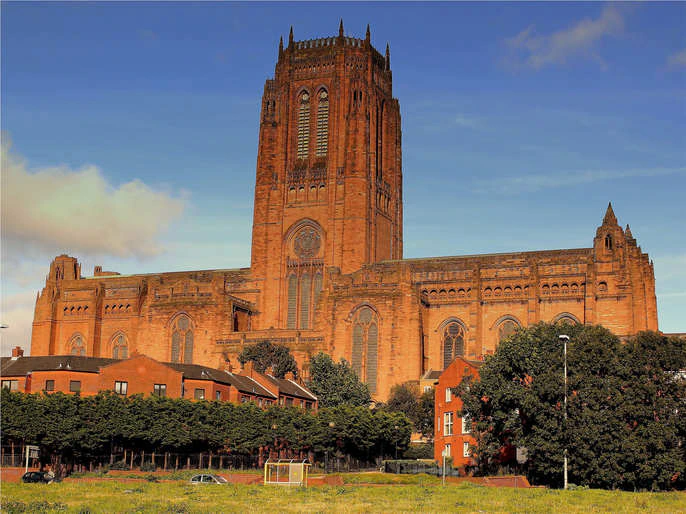
Examples include a winter installation at Liverpool Cathedral that drove significant increases in both footfall and secondary spend, and an exhibition at the Baltic in Gateshead celebrating Newcastle United’s 2025 League Cup win.
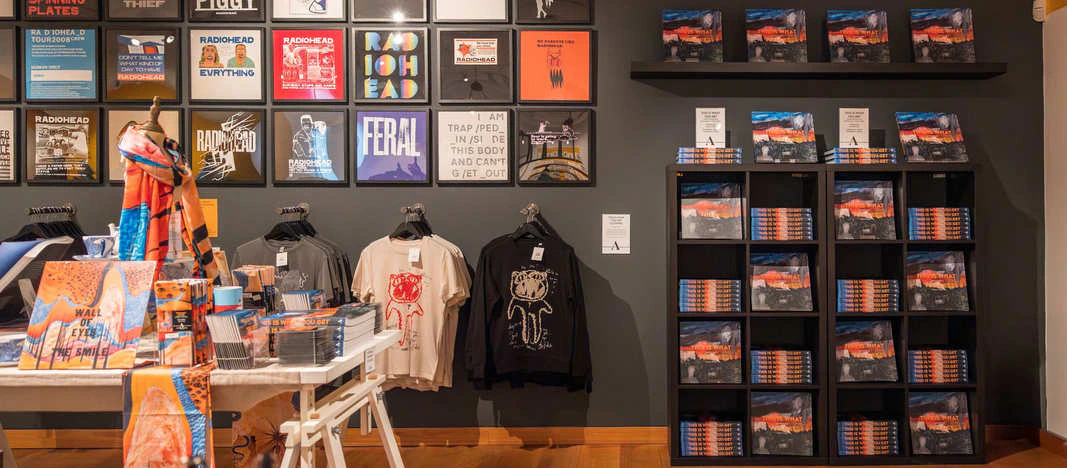
Elsewhere, innovative collaborations, such as the Ashmolean Museum’s exhibition partnering with the band Radiohead, demonstrated the potential for programming to drive not only attendance, but also retail performance.
This Is What You Get: Stanley Donwood, Radiohead, Thom Yorke was hosted by the University of Oxford venue from 8 August 2025- 11 January 2026. The museum said the products that the retail team commissioned for the exhibition included some of the highest-performing items that the Ashmolean has ever sold.
Advertisement
Innovative programming also allows organisations to respond to traditionally quieter periods of the year. Two consecutive years of declining first-quarter admissions suggest that sites need to work on giving visitors a reason to attend. Outdoor venues, which are at the mercy of the weather, and paid venues vulnerable to price sensitivity are performing below the average for those reasons.
Some organisations are responding by actively creating demand during these periods, using programming and targeted audience engagement to build local and repeat visitation. This approach not only mitigates risk but also strengthens longer-term audience relationships.
Museums have long relied on a combination of public funding, philanthropy and earned income. A study by the Association for Cultural Enterprises in 2024 revealed that commercial activity accounts, on average, for 40% of income across the sector.
Yet the most resilient organisations are not simply those generating more income, but those integrating commercial thinking into core decision-making. This means involving commercial teams in programming, interpretation and strategic planning – not as a bolt-on, but as a partner.

Money talks
If there is a single takeaway, it is this – income-generating colleagues need a seat at the table.
Advertisement
Whether through programming, interpretation or experience design, organisations that are investing in what visitors actually want are outperforming those that are not. Commercial resilience is not about doing more, it is about making better, more-informed choices about where to invest.
As the sector looks ahead to the summer, the organisations best placed to succeed will be those that are intentional, audience focused and willing to adapt. The data is clear – resilience doesn’t happen accidentally, it’s designed.
Paul Griffiths is the CEO of the Association for Cultural Enterprises