On the surface, these are boom times for Treasure finds – the latest annual report for the Portable Antiquities Scheme (PAS) and Treasure, published in January, revealed that 2024 (the most recent year for which figures are available) was the third consecutive record year for treasure cases in England, Wales and Northern Ireland.
The 1,540 treasure finds – the highest number ever in a single year – was 163 more than in 2023. Most were discovered by metal detectorists, a hobby that is continuing to grow in popularity.
The scheme, which is run by the British Museum on behalf of the Department for Digital, Culture, Media and Sport (DCMS), has brought some stunning items into public ownership.
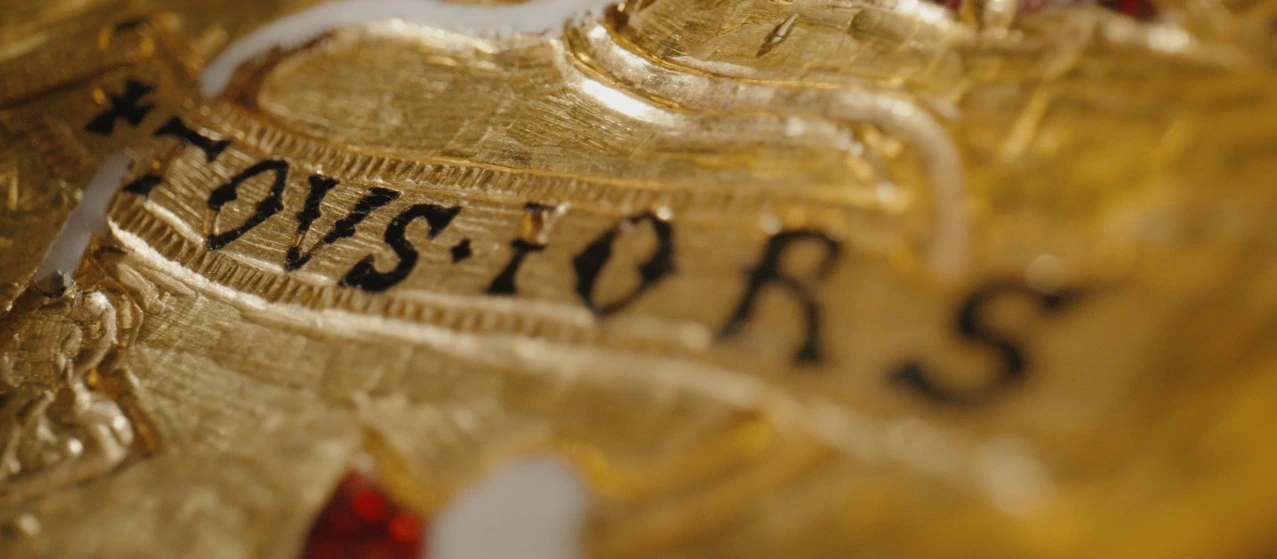
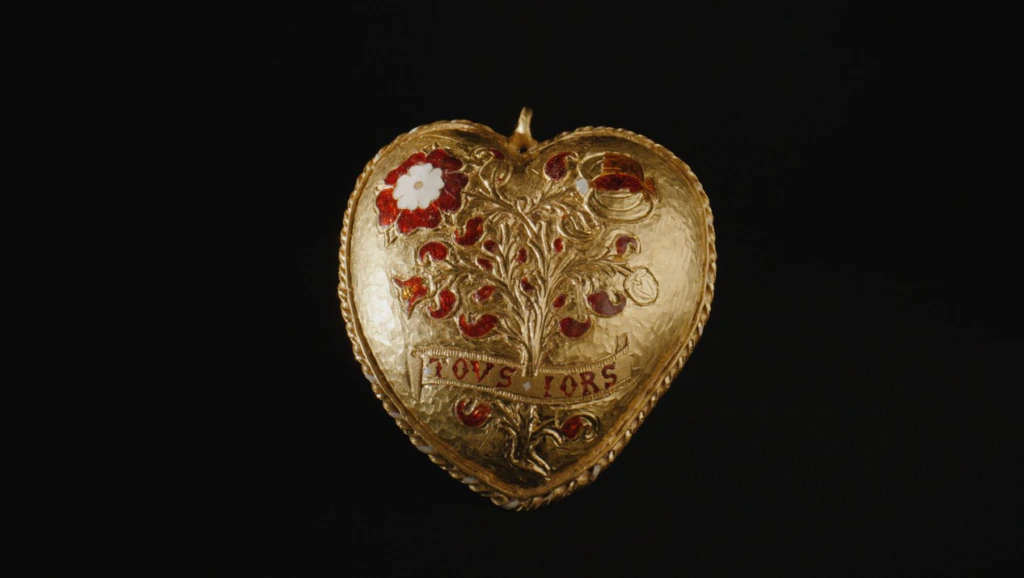
These include the museum’s own newly acquired Tudor Heart pendant, linked to the marriage of Henry VIII and Katherine of Aragon, and the Melsonby Hoard, a cache of more than 800 iron-age artefacts now in the collection of Yorkshire Museum.
Scotland updates its Treasure Trove code of practice
Scotland’s Treasure Trove system – which, unlike the one covering the rest of the UK, legally requires all finds to be reported, rather than just treasure – is being streamlined.
In March, the King’s and Lord Treasurer’s Remembrancer, John Logue, published a revised code of practice – the first time the code has been updated since 2014. The revision aims to improve knowledge and practice among amateur detectorists, and to reduce the backlog of claims.
In addition to extensive advice for museums, the code sets out more-robust and user-friendly guidance for detectorists, outlining their legal responsibilities, best practice for preserving archaeological information, and the process for reporting discoveries.
Logue has described the publication of the revised code as an “important milestone”.
“The Treasure Trove system exists to ensure that Scotland’s archaeological heritage is protected, properly recorded and made accessible to the public,” he said at the time of publication. “This modernised code reflects years of collaboration and learning across the sector, and it strengthens the clarity, fairness and transparency at the heart of the system.”
Jane Ryder, the chair of the Scottish Archaeological Allocation Panel, said the new code “provides the clarity and consistency that the sector has long asked for”.
“It sets out a fair and transparent process for assessing significance, allocating finds to Accredited museums and recognising the vital contribution made by finders,” she said.
The system has had a hugely positive impact, but dig a little deeper and there is some disquiet among the museum, heritage and archaeology community about its current direction of travel.
Advertisement
One outspoken critic is the archaeologist and torc expert Tess Machling, who has published several blogs voicing concerns about the scheme that she says are widely shared by her peers.
Machling describes the system as “strained to breaking, with more and more finds flooding the system and time taken to determine the status of artefacts stretching into years”.
She says the scheme’s finds liaison officers (FLOs) – who act as intermediaries between museums and finders – can feel “underpaid, under-resourced and often bullied”. Many detectorists are also unhappy with the scheme, according to Machling, often decrying the amount of compensation offered for a find, or the length of time a claim takes.
Eye-watering costs
A major concern among heritage professionals is the high cost of acquiring treasure funds.
Advertisement
The Tudor pendant cost the British Museum £3.5m, which was generated via grants, crowdfunding and philanthropic donations following an emergency fundraising campaign. In 2024, the Chew Valley Hoard – the highest-value find yet recorded under the Treasure Act – was acquired by the South West Heritage Trust for £4.3m.
Freedom of Information requests submitted by Machling reveal that almost £4.5m was paid out to metal detectorists and landowners in 2024-25 to acquire treasure and other archaeological finds for the public.
Machling has called on the detecting community “to start contributing towards the costs of their hobby”, but says she has faced abuse for airing these views.
She told Museums Journal earlier this year that there is widespread unease about the pressure the scheme is placing on museums and staff, with the sector already overstretched.
“The amount of time museum professionals are spending on fundraising is a big problem,” she said, with millions of pounds in costs being incurred – via grant-in-aid, funding bodies, crowdfunding donations, museum payments and staff time – to acquire items already part of the public’s “shared heritage”.
Fundraising for finds also hoovers up goodwill spending that could be used to support the sector in a range of other ways; Machling pointed out that the money raised would “pay for a lot of curators”.
Advertisement
She also fears important finds are being lost to public ownership as a result of these issues, citing the Knaresborough ring – believed to date from the iron age – which was sold at auction to a private collector in 2022.
Many defend the current scheme, however, believing the positives outweigh any negatives.
Angie Bolton, curator of archaeology at Oxfordshire County Council and a committee member of the Society for Museum Archaeologists, says: “The PAS is amazing. I worked for it for 22 years, and we did a lot of work building bridges between archaeology and metal detecting – and you can see how successful it’s been. That contribution to archaeology is immense.”
Sense of ownership
She says a recent crowdfunding campaign by the local authority service to acquire an iron-age hoard was a great success, helping to bring the community together and give people a sense
of ownership over the find.
“A lot of archaeologists question whether we should be having to raise that money,” says Bolton. “Not in an ideal world, but we’ve got the legislation we have at this time and there’s been no indication about changing the Treasure Act... there have been no examples how best to change it with everybody on board.
“If we want these items in our collection, we have to dedicate that portion of our time to raising that money.”
Things are also much improved among the detectorist community, she says. “You can see the number of finds that are being recorded – that is FLOs influencing best practice.
“As new people come to the hobby, you try to get them quickly before they get into bad habits. But archaeology is a profession and detecting is a hobby, so you’ve got to try and work within the environment for both.”
Bolton is clear that there is much to celebrate. She is currently co-curating an exhibition with five metal detectorists to celebrate the 30th anniversary of the PAS and Treasure Act in 2026.
“We are all having an equal input, but the knowledge and expertise the detectorists bring to the table is equal to – if not more – than others. It’s just brilliant.”
Recent UK Treasure Acquisitions
Ellastone Bronze Age Gold
The Potteries Museum & Art Gallery raised £150,000 earlier this year to purchase a 3,000-year-old solid-gold dress clasp found near Ellastone, Staffordshire. It is one of only eight objects of its kind recorded across England and Wales.
Worcestershire Conquest Hoard
Museums Worcestershire raised £100,000 in 2025 for a major hoard of coins dating from the era of the Norman Conquest.
Melsonby Hoard
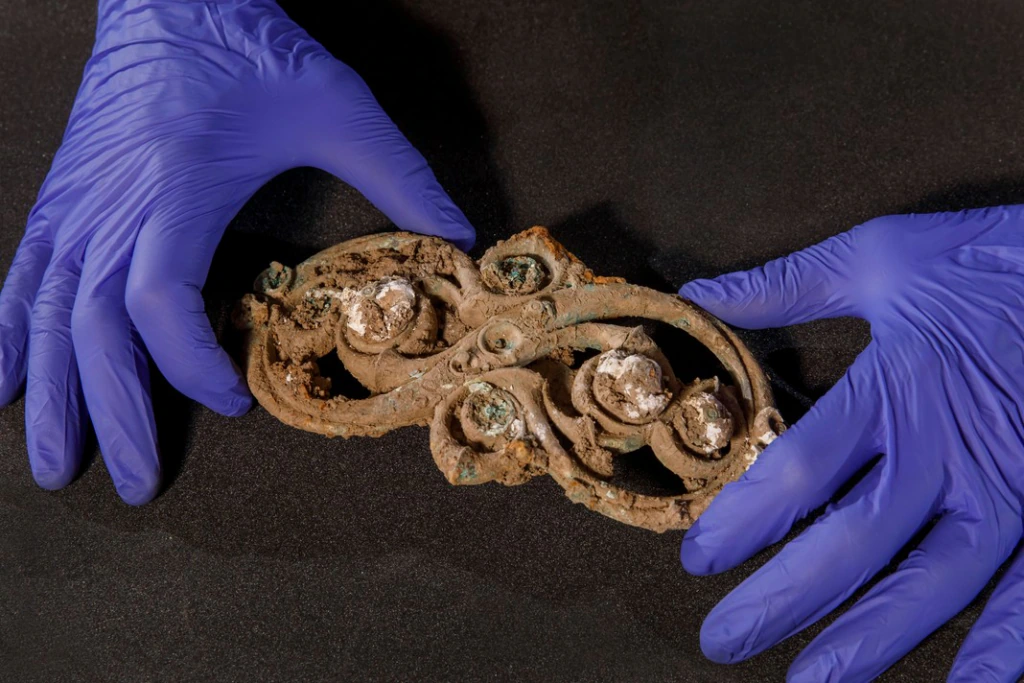
Yorkshire Museum raised £254,000 this year to purchase the largest hoard of Iron Age metalwork ever discovered in the UK. The find includes more than 800 individual objects, such as chariot wheels, cauldrons, and weapons.
Rotherfield Peppard Iron Age Hoard
Oxfordshire Museum raised £11,725 last year to acquire an Iron Age hoard found inside a buried pottery urn. The cache includes a Roman coin, a 2,000-year-old horse brooch, and an enamelled handle.
Cornwall Museum and Art Gallery
The institution’s rolling Treasure Appeal supports the acquisition of treasure finds. Recent purchases include a Bronze Age gold fragment found in St Levan and a 1702 gold memento mori ring from St Enoder.