With finances so tight in the sector, museums are increasingly turning to emergency fundraising campaigns – short-term appeals for when money has to be raised quickly. But how successful is this approach?
These emergency campaigns are often focused on the need to find money for an acquisition, when time is limited because the item is to be sold at auction or a temporary export bar has been placed on the artefact by the culture secretary because of its significance to the nation.
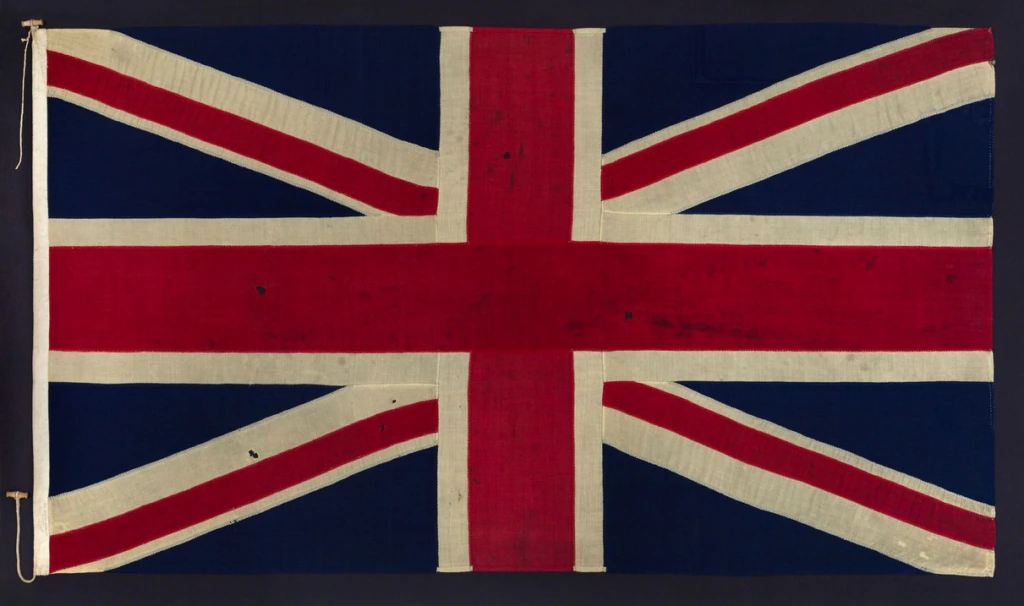
In March, North East Museums submitted an expression of interest to acquire a rare union flag that was flown at the Battle of Trafalgar in 1805. The purchase price was £450,000 and the acquisition was funded by a donation secured from a charitable foundation.
Keith Merrin, director of North East Museums, launched the fundraising campaign by saying: “We hope to secure this rare and historically significant flag to ensure it remains in the UK, and to display it in Newcastle upon Tyne, as it is not only an important artefact in British history, but it has notable connections with north-east England. We would like to make the Discovery Museum in Newcastle its permanent home, where it would become a star exhibit enjoyed by hundreds of thousands of visitors each year.”
Philip Walker, the head of culture and creative industries at Bristol City Council, oversaw a one-week public fundraising appeal last year on behalf of Bristol Museums. This raised more than £100,000 for the acquisition of The Rising Squall, Hot Wells from St Vincent’s Rock, Bristol (1792) – Turner’s only oil painting of a Bristol scene.
Advertisement
Despite raising a six-figure sum, however, campaign organisers finished up refunding donors, after they were outbid at auction. Later in 2025, Bristol Museums organised a display of Turner’s watercolours that celebrated the artist’s involvement with the city and welcomed donors to the campaign for free.
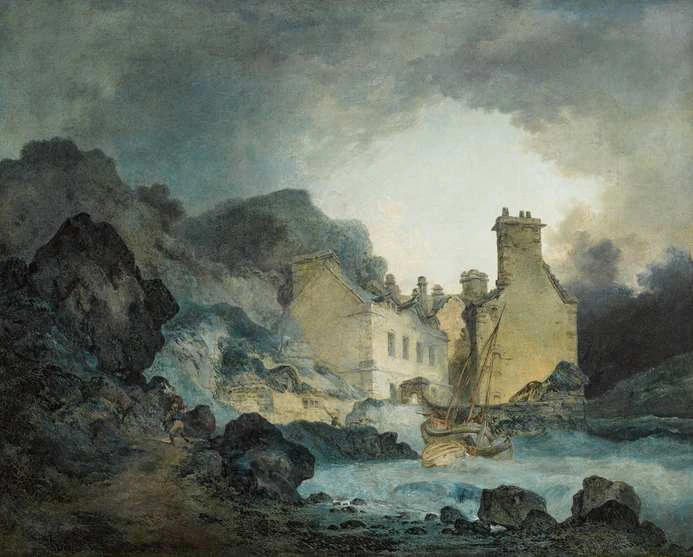
“We made the case about the significance of the work and the relevance to the city’s collections,” says Walker. “We had the kind of credibility of this being the right thing to do. It’s time bound and it appeals to the emotions and sense of belonging and relevance.
“We had to think carefully about setting the crowdfunder – what we thought was achievable and reasonable. We didn’t want to come way short of our target. Equally, it would have looked odd if we’d gone too far beyond it.”
The crowdfunder was pump-primed with donations in order to incentivise others. A public relations firm was used to raise the campaign’s profile, attracting global interest.
On the mend
Museums also often launch emergency campaigns to fund urgent maintenance work.
Advertisement
Hedley Swain, the chief executive of Brighton & Hove Museums, has overseen several fundraising campaigns, including last year’s bid to raise £150,000 to restore the damaged facade of Preston Manor, a former mansion house that is now a museum. The campaign will run until later this year and has so far raised more than £18,000. This followed a successful campaign in August 2024 to repair one of Brighton Pavilion’s domes, which raised more than £25,000 in two days.
“You do need an emergency – it’s an awful thing to say, in a way,” says Swain. “We worked our socials very hard and we already had our own patrons circle and our own membership. And it kind of blew us away – we set a target of £10,000, and got £25,000 in about 48 hours.
“It was almost embarrassing in that we had suddenly got more money than we said we needed. But now, needless to say, as ever with these projects, we ended up needing all the money. So that was a great success.”
Swain suggests the reality is one of “slow constant need” as opposed to regular emergencies, and highlights the importance of making donors feel recognised.
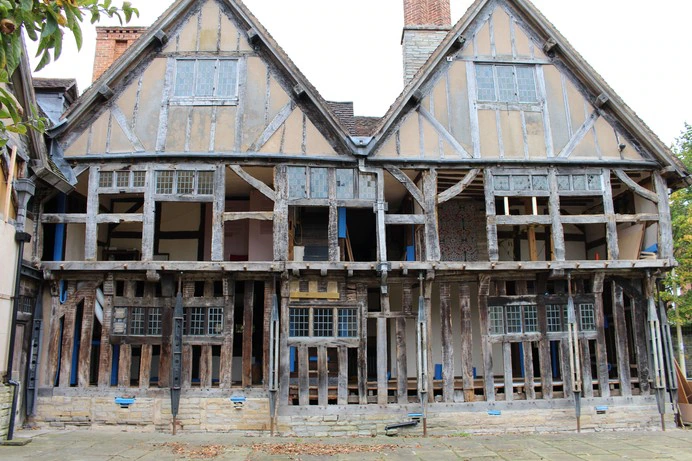
In December, the Shakespeare Birthplace Trust launched a £500,000 fundraising campaign to conserve Hall’s Croft, one of England’s most significant Jacobean buildings. The former home of Shakespeare’s daughter Susanna Hall, in Stratford-upon-Avon, was damaged when a driver reversed into the side of the building, shattering several oak beams and leaving a hole in the roadside wall.
Advertisement
The Grade I-listed building has since been placed on Historic England’s Heritage at Risk Register, reflecting its national significance and the scale of the conservation challenge it faces.
Shakespeare Birthplace Trust’s chief executive, Rachael North, says: “Hall’s Croft is a building of exceptional historical importance, and its condition demands a serious and sustained response. Inclusion on the Heritage at Risk Register is an important and necessary step. It allows us to be transparent about the challenges we face and to begin building the partnerships required to secure the future of the building.”
Michelle Wright, chief executive and founder of social enterprise Cause4, which partly specialises in fundraising, believes emergency campaigns should be used sparingly.
“Where we saw them work effectively was in Covid, because it was so obvious as to why the campaign was needed,” she says. “You can only really do it once. If your narrative is one of ongoing crisis, you’re not going to build the confidence of audiences and funders. You can’t keep a narrative of crisis and retain support.”
She says in the current funding environment, approaches such as building an endowment fund might create confidence around an organisation’s longevity.
“One dance-based organisation was exploring how to build an endowment, which feels counterintuitive in this difficult environment,” says Wright. “But I think it’s exactly the right thing. What it signalled is that they are an organisation that wants to be there for the long term, they understand the community and they deserve being invested in.”
Rob Sharp is a freelance journalist
Keeping mining heritage alive
Late last year, the National Mining Museum Scotland launched the Be Part of Our Future appeal to fund the maintenance and repair of its colliery buildings and grounds, to develop green energy and community initiatives, and to enhance venue capacity.
Announcing the initiative, the Dalkeith-based museum’s chief executive, Mhairi Cross, said: “It is vital for the museum at this moment. This appeal brings together essential strands: raising the financial support we need and gathering the stories and memories that keep Scotland’s mining heritage alive.
“Together, these strands strengthen our ability to honour the past while building the resilience the museum needs now, and in the years ahead. This is about preserving the experience of mining communities and ensuring that the museum remains strong enough to carry their stories forward.”
Be Part of Our Future includes the Pithead Circle initiative. Donations start at £25, with each supporter being offered the chance to have their name included on a digital recognition wall on the museum’s website.
Alice Regent, director of development at the Art Fund, says: “These campaigns are not ones where big funders come in and save the day. They succeed when thousands of people, alongside major gifts, come together to make it possible. That mix is important, not just in raising the money, but in demonstrating public support for museums and shared heritage. Big funders often come in when they see that public backing.”