Museums Journal's 125th year is a moment to reflect on the many ways in which the sector has changed – and one of the most conspicuous is the representation of Black British history and cultural heritage in museums.
Scanning through back issues, it is possible to trace how this moved from being a marginalised and often ignored subject, viewed at times through an appallingly racist lens, to an increasingly prominent concern – albeit one dealt with primarily via one-off, time-limited projects, such as temporary exhibitions and Black History Month programming, rather than core work.
More-permanent developments in the field were driven largely by grassroots activism: the Black Cultural Archives in Brixton was founded in 1981 as an educational and archival resource amid concerns that Black history was being overlooked – and, in some cases, denied – by established cultural and educational institutions.
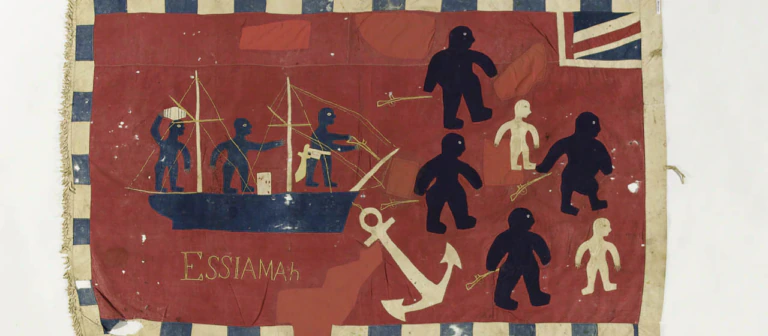
Merseyside Maritime Museum opening the Transatlantic Slavery Gallery in 1994 was a huge step forward. Fought for by anti-racist campaigners, including human rights activist Dorothy Kuya, the gallery was the first to confront Britain's central role in the trade, rather than treating it as a footnote to maritime history.
The gallery evolved into the world's first museum of its kind, the International Slavery Museum, which opened in 2007 to coincide with the bicentenary of the abolition of slavery.
The past decade has brought equally significant milestones. Progress had already been gathering pace in this area, but the 2020 murder of George Floyd in the US, which sparked worldwide Black Lives Matter protests, was a pivotal moment.
Advertisement
Statues were toppled – and so were some of the sector's old ways, as many cultural heritage institutions in the UK directly confronted their past failures and promised to change.
In hindsight, it was also a fleeting moment. There is much scepticism about how deep some of those pledges truly went, particularly as the protests were swiftly followed by a populist "anti-woke" backlash that saw many institutions retreat to more cautious ground.
But the range of Black-led heritage curatorial initiatives and multimillion-pound capital developments under way is a sign of a major shift. These include projects that celebrate Black contributions to Britain, as well as those exploring the UK's legacies of slavery and colonialism, and their lasting impact on descendant communities.
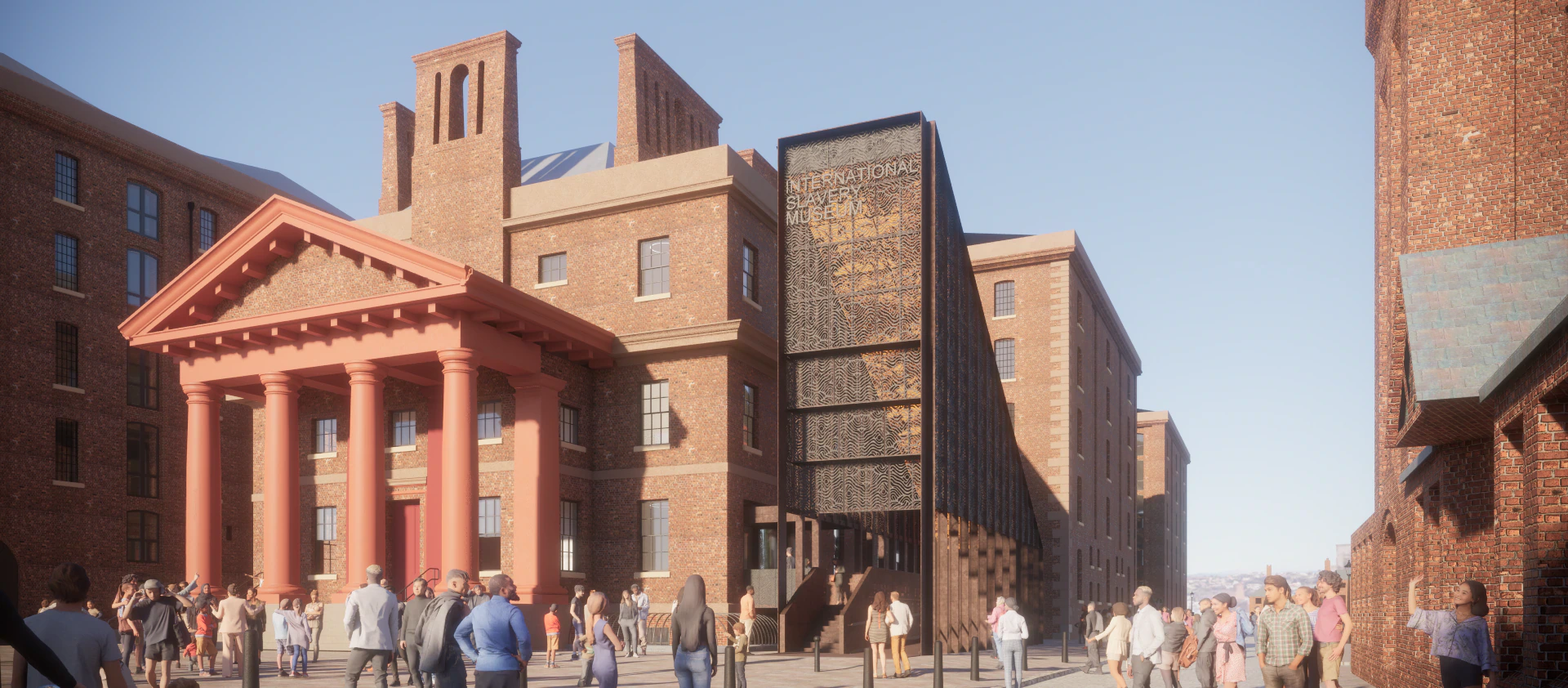
In January 2025, the International Slavery Museum closed its doors for a £58m redevelopment. The project will see a new, separate entrance created with the explicit goal of putting Black history at the centre of Liverpool's waterfront.
The London Museum, which is due to open in its new Smithfield Market premises this November, has used its relocation to embed Black history throughout its displays and programming, including a Black Heritage London strand that is training young Black Londoners in archiving and oral history.
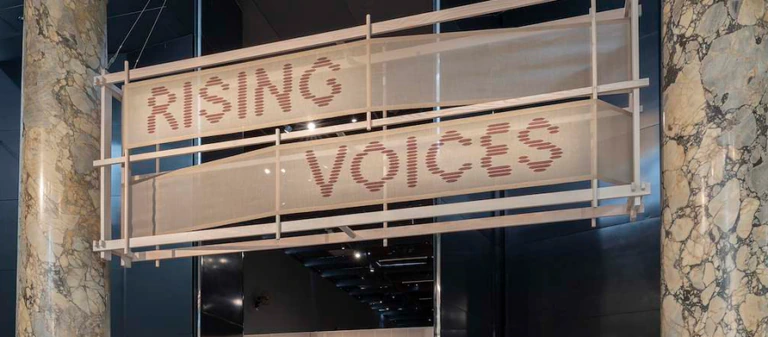
The V&A East, which opened in east London's Queen Elizabeth II Olympic Park in April, put Black heritage centre stage in its inaugural exhibition, The Music Is Black: A British Story, which traced 125 years of music-making.
Advertisement
In spite of this progress, the UK still has few standalone, purpose-designed spaces dedicated to Black British heritage; there's no equivalent here to the National Museum of African American History in the US.
That could all change in the coming decade, however. Several important museum developments are at an incubation stage and may become a reality over the next few years. The Black British Museum Project is working to create the UK's first permanent physical space dedicated to Black British history and culture.
The National Windrush Museum, a charity founded in 2021 to tell the stories of the Caribbean communities who came to Britain in the postwar period, is developing joint exhibitions with Royal Museums Greenwich, as well as research and education programmes. Its long-term goal is to establish its own independent physical site.
North of the border, the Scottish Museum of Empire, Slavery, Colonialism and Migration was founded in 2025 in response to the Empire, Slavery and Scotland's Museums project. The organisation has government backing to create a permanent space to explore the nation's role in empire, slavery, colonialism and migration.
What is notable about these projects is that they are all being built from the bottom up by People of Colour, who are deliberately discarding the entrenched hierarchies and practices that often hold back more-established museums.
Although there is more to do, it's clear that, in 2026, Black British history is no longer living on the margins.
International Slavery Museum
The redeveloped International Slavery Museum is expected to open in 2029 as part of National Museums Liverpool’s Waterfront Transformation Project.
The new-look museum will continue to explore the history of transatlantic slavery but with a much broader framework that examines the ongoing legacies of slavery, colonialism, resistance and resilience, says the museum’s director Michelle Charters.
“Our ambition is for the museum to be a place that helps people understand how the past impacts and shapes the present, and why these histories continue to matter today,” she says.
“We want difficult histories to be conveyed with honesty, while also giving space to stories of creativity, achievement and resistance.”
The former iteration of the museum played a vital role in advancing understanding of the subject, says Charters.
“However, more than 30 years on, museum practices have changed, as have the expectations of our audience, and our new displays will reflect this,” she adds.
“New interpretation will move away from a singular institutional voice towards a richer approach, with communities, artists, researchers and people with lived experience, playing an integral role in shaping content, interpretation and priorities.
“Visitors can expect to encounter a wider range of global perspectives and stronger contemporary connections.”
National Windrush Museum
“In just four years, the National Windrush Museum has transformed from an ambitious vision into a cornerstone of British cultural heritage, weaving a powerful narrative of remembrance, education and celebration,” says the museum’s director, Denize Leadette.
The museum has received support from the National Lottery Heritage Fund, the Museums Association’s Mindsets + Missions and Esmée Fairbairn Communities and Collections Fund programmes, as well as the Near Neighbours initiative.
In 2023, the institution signed a historic memorandum of understanding with Royal Museums Greenwich (RMG), sponsored by baroness Floella Benjamin in the House of Lords. This signalled a “groundbreaking institutional alliance and a fertile ground for development”, according to Leadette.
Since then, the museum has launched the National Windrush Lecture at the Queen’s House and held the first official National Windrush Memorial at RMG. It has also introduced the Distinguished Windrush Lecture Series.
Over the past year, the project has been “defined by high-profile advocacy and intimate community engagement”, says Leadette. The museum convened its inaugural Windrush Summit, in partnership with the Home Office, as well as launching the Windrush Food Culture showcase, funded by the Esmée Fairbairn Communities and Collections Fund and RMG, which runs until the end of 2026.
Scottish Museum of Empire, Slavery, Colonialism and Migration
“We are working to establish an anti-racist and decolonial organisation, led by People of Colour, and looking to establish practices that move away from defunct traditional museum models,” say Grace Browne and Salma Ali, the co-lead coordinators of the museum development project.
Co-production will be key to the new museum’s mission. “The space is intended to be for the people, so co-production and collaboration is central to our approach and culture,” they say.
“Co-production allows us to develop a space for the people by the people, where they are empowered to reclaim their history. We specifically aim to challenge the practice of ‘us’ – the museum – and ‘them’ – communities – that ultimately reinforces hierarchies of knowledge and authority. Rather, we aspire to innovate this mentality through developing equitable partnerships where ideating and decision-making are shared.”
The project is now actively seeking a space to support its long-term aspiration of becoming a permanent national museum.
Browne and Ali say: “While a capital project is still a way ahead for us, we are seeking a temporary space to move into as soon as possible to begin developing a physical archive, host a permanent collection, function as an office, host exhibitions and activities, and just generally be a space where our communities can gather and spend time with us, both formally and informally.”