The world’s first passenger railway, connecting Stockton and Darlington, opened in September 1825. It heralded a new age of trade and travel. Hauled by Locomotion No 1, which was designed by pioneering engineer George Stephenson, the passengers were the first ever steam-driven travellers.
As it should, therefore, the history of rail takes centre stage in the recently redeveloped Preston Park Museum, which tells the story of Stockton-on-Tees.
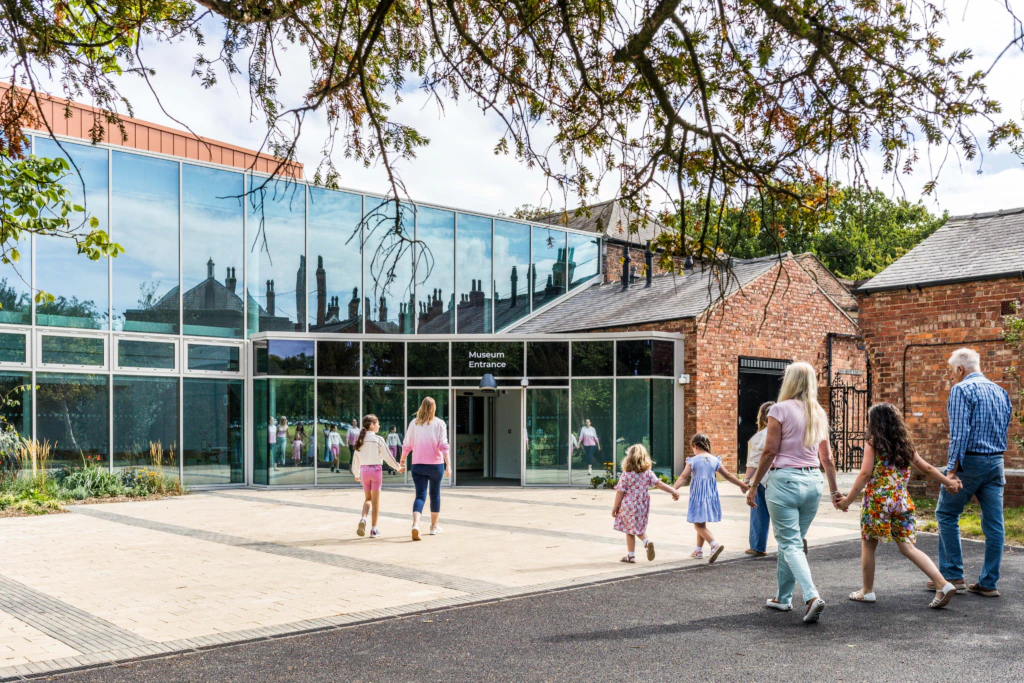
Visitors now enter the museum through the Spence Building, a new exhibition space that opened in September 2025 following a £12m project.
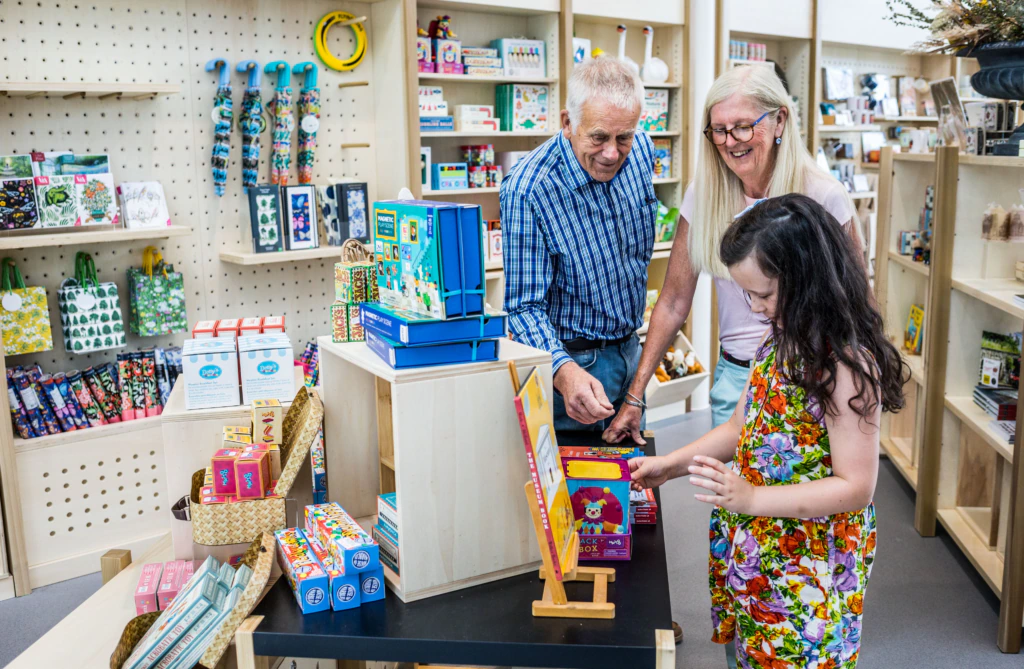
This modern building sits discreetly to the side of the Grade-II listed Preston Hall. The entrance is light and airy with double-height glazing, and it feels contemporary thanks to exposed brickwork and use of natural materials at the welcome desk and shop.
The star of the ground floor is an open store. At North East Museums we often debate the value of open store galleries and whether it’s an approach we’d take at Discovery Museum, where I work in Newcastle upon Tyne. I wondered if this space could sway me either way.
Advertisement
Overall, I enjoyed the aesthetic of the store, and the size of the space meant it didn’t feel overwhelming. The shelving and materials used convey the sense of a store, but the objects are on open display, and beautifully presented, not packed in crates.
They have been grouped into themes: toys, household items, medical items (including a Covid-related shelf), furniture and paintings. And there are other examples of playful organisation, with a few shelves that have been colour-graded, and others that are filled with just one type of object to demonstrate where the collection is well-represented.
I found the deliberate lack of interpretation here liberating. I was able to focus more on the objects rather than putting my energy into reading labels and interpretation panels.
Around the outside of this open store the team have curated a clear, concise and informative display about what happens behind the scenes of a museum.
They explain who works with museum collections and what they do. There was even a section on rationalisation, what it means and how museums go about it.
A short film features the project conservator explaining what conservation is, and isn’t. And there are some low-tech interactives about conservation tools, pests and how they damage collections.
Advertisement
Visitors are invited to put their new knowledge to the test and have a go at handling museum-type objects. It felt as if it was pitched just right for a family audience. I’d be intrigued to know what visitors take away from this space.
Thinking big
Almost all of the upstairs space is devoted to the new temporary exhibition gallery. The ambition is that it will host national and touring exhibitions, and it’s easy to see how this is now possible.
At the time of my visit the gallery was divided to host three very different offers under the umbrella programme Tracks of Change, part of the international festival marking the 200th anniversary of the Stockton & Darlington Railway.
The introductory text to the three exhibitions set out that they aimed to celebrate how railways changed the world and are still changing it today. They wanted to celebrate the “vision and engineering brilliance” that “connected people and places like never before”. “With climate in mind”, they wrote that, “train lines act as wildlife corridors and support pollination”. It concluded with the desire to inspire a new generation to continue building on that legacy.
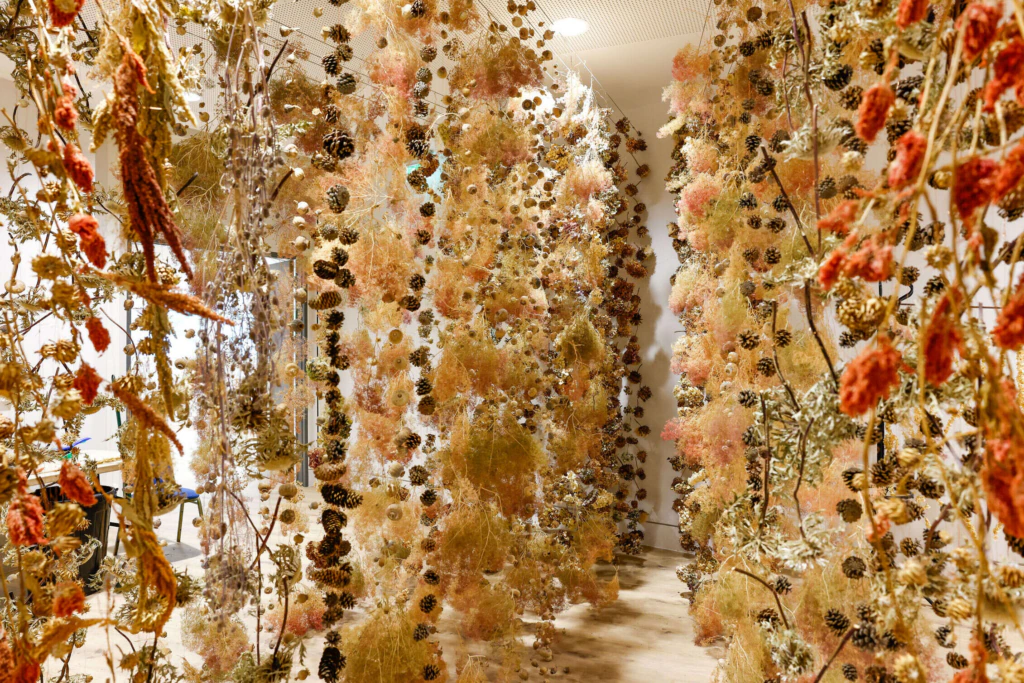
The art installation Corridors by artist Rebecca Louise Law was a poetic response to the legacy of the railways, and it was utterly beautiful. Hundreds of dried lavender stems, grasses, hydrangea, and acorns were hung as “corridors” for visitors to walk between – all very Instagrammable.
Some of the flowers had been grown in Preston Park Museum’s own walled garden, others were from the artist’s collection, and local communities were involved in creating the installation.
Advertisement
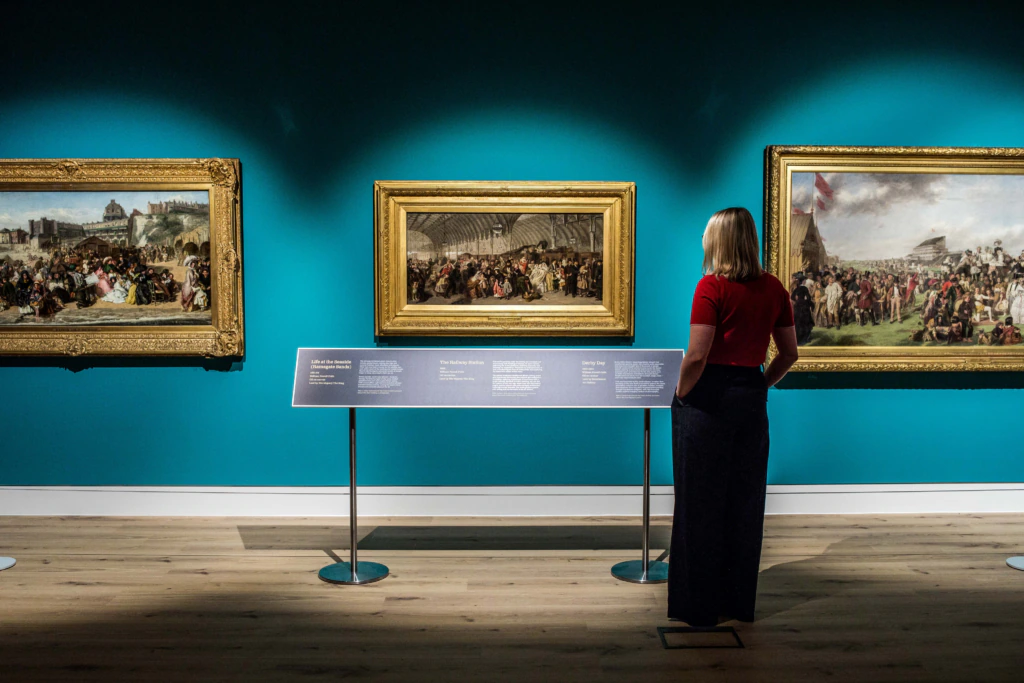
The smaller second gallery featured three paintings by Victorian artist William Powell Frith, on loan from the Royal Collection and Manchester City Galleries. All three are railway-related scenes and were used to talk about the impact of the railways. The text was short and engaging, and the team made creative use of the artworks to fill the rest of the gallery walls by reproducing some of the individuals from the paintings as graphics. These were used to explore some themes further, such as the faster spread of news, a greater variety of food and the middle classes sending their children away for schooling.
It would have been interesting to balance out the interpretation and explore some of the less positive impacts of the railway that were depicted by Frith, particularly around class. And although the exhibition was focused on railways in Britain, I felt it would have been appropriate to include some reference to the impact of the former British empire.
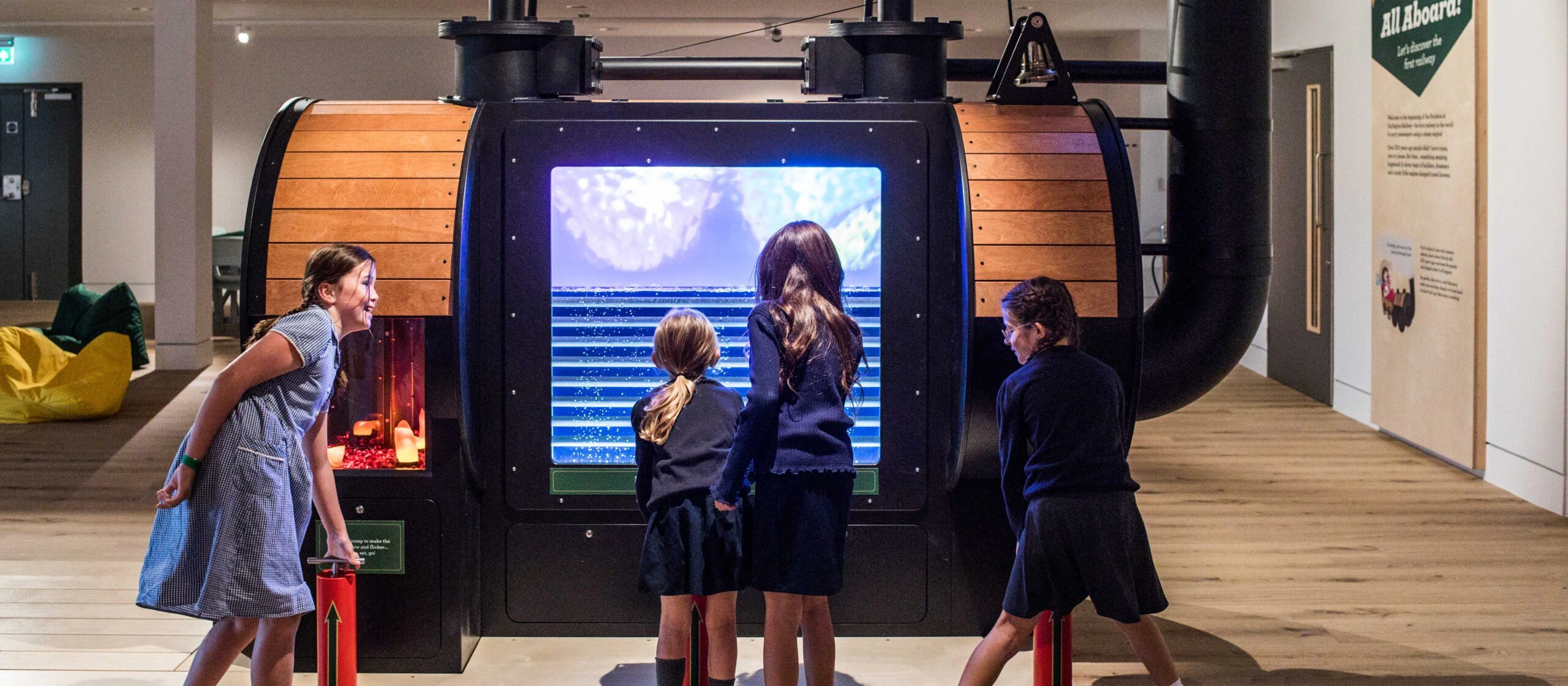
The third and final gallery is the largest space. It is given over to All Aboard (on until 13 September), an interactive exhibition designed for children and themed around the beginning of the Stockton & Darlington Railway. The volunteer in the gallery told me that it is popular with schools, grandparents and pre-schoolers in the week, and older children and their families during the weekend.
I could see why: the centrepiece of the gallery is an interactive version of Locomotion No 1. Children can pump levers to see “smoke” rise from the funnel and stoke fires. In the carriages they can dress up and play musical instruments. There is also a well-designed sensory area for very young children that focuses on the transition from horses to trains.
A number of original objects are featured in the gallery and the interpretation is short and snappy, albeit overwhelmingly positive about the railways. In terms of their aim to inspire a new generation of thinkers, I felt there was scope to mention some of the challenges around railways today and in the past, for example around environmental impact.
Overall, the new extension offers visitors exciting ways of engaging with the story of Stockton and the collections of Preston Park Museum. The team have curated a high-quality range of exhibitions that are well designed with engaging, well-written interpretation.
Their ability to deliver historic and contemporary art exhibitions, an interactive children’s exhibition, and an open store is impressive. Alongside attractions such as the re-creation of a Victorian street, they combine to create an offer that is refreshingly creative and diverse.
Kylea Little is the keeper of history at North East Museums
Project data
Cost
£12m
Main funders
Ministry of Housing, Communities and Local Government; Stockton-on-Tees Borough Council
Main contractor (Spence Building)
Galliford Try
Architect
Ryder Architecture
Design (Gateway to the World, The Royal Collection, Manchester City galleries)
Lima Studios
Design (All Aboard!)
KCA London (conceptual design); Unusual Projects (graphic design and build)
Stores interior design
Ryder Interior
Stores graphic design
David Sudlow
Wayfinding
Pictosign
Storage
Bruynzeel
Exhibitions
All Aboard!, until 13 September; Perfume, until 10 May
Admission
Free to Museums Association members


