
AI video | Moving paintings, Fukuda Art Museum, Japan
Fukuda Art Museum in Kyoto, Japan, has teamed up with Google Arts & Culture to animate 24 pieces of art in its collections.
In this first experiment using Google’s AI video generator, Veo, visitors to the online gallery can watch a painting being brought to life. The museum’s deputy director, Ayako Takemoto, has written a narrative for each work, voiced by the Gemini text-to-speech app.
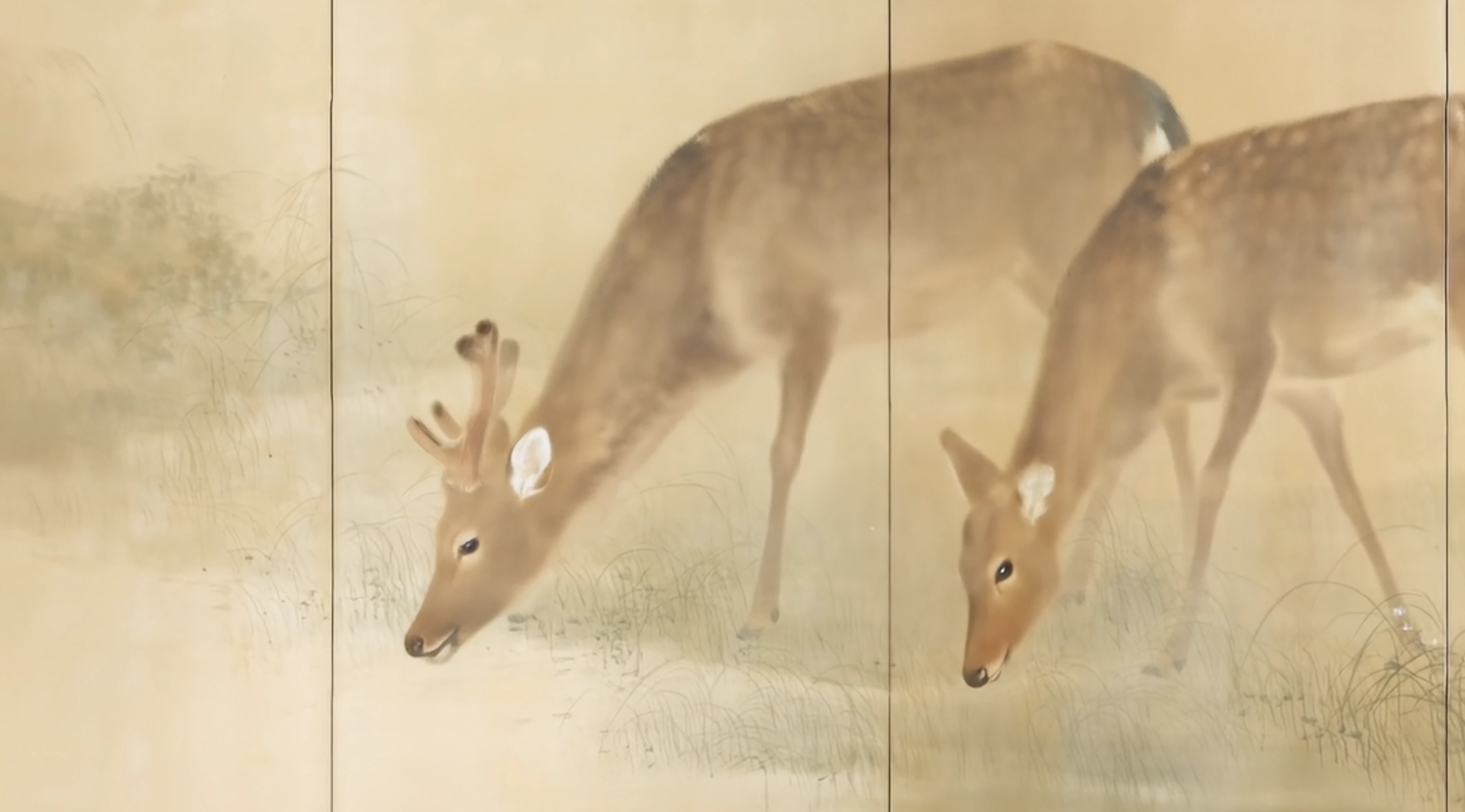
For each painting, you are given the option to click on two hotspots that allow you to move in for a closer look at the painting. It’s at that point the animation begins, and with one touch of the screen you can swap from a static artistic view to a more realistic video. You can see turtles, tigers, chickens, boats and more as digitally constructed models.
Now that the lid on generative AI has been opened it’s going to be almost impossible to close again and, like most people, I have my doubts and concerns. At least with this online exhibition the art is being added to rather than totally reimagined.
Advertisement
I would have preferred the audioguide to have been voiced by someone from the gallery, but Gemini does a pretty decent job of turning Takemoto’s detailed script into an enjoyable one-minute tour around the paintings that sounds naturally spoken.
I can almost see this being used side by side with a painting in a gallery – the playful animations would certainly appeal to a younger audience. The interactive gallery works well on mobile and web browser where you have the option to zoom into the original image. Once you have finished watching the short animations there is an option to explore related content on the Google Arts & Culture website, which includes work by the same artist or visually similar work.
Online catalogue | Fashion Museum, Bath
The Fashion Museum Bath is closed to visitors until 2030, while work is carried out to transform the Old Post Office in the city centre into its new home. In the interim, the museum has launched a new online catalogue.
The first phase of this new website allows visitors to search through more than 500 records from the “Dress of the Year” collection.
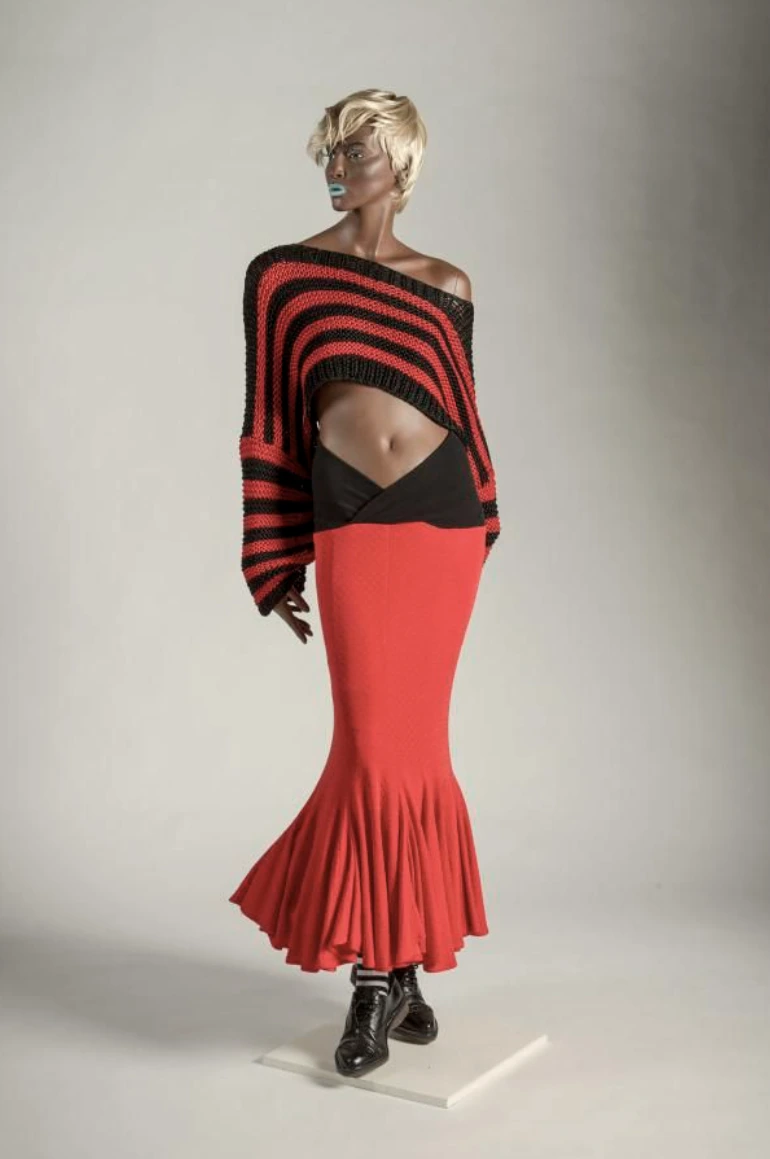
Alongside the keyword search function, which has all the usual parameters such as object and colour, there is also a nifty slider on the home page that allows you to filter by year.
Advertisement
This new online catalogue has been co-designed with young people aged 16-24, and some of the search results have a 3D option.
The museum has taken a sensible approach by starting with 500 objects before gathering user feedback, but, overall, the website is easy to navigate. Notably, the majority of the search result images allow you to zoom in to see the outfit in more detail.
For visitors who are left wanting that bit more information there is a stories and blog section, as well as the chance to take part in a quiz.
I’m now off to see what the dress of the year was in the year I was born (date omitted by author).
Website | Whalers’ Memory Bank
The Whalers’ Memory Bank describes itself as a living, growing digital time-capsule that preserves and shares the human stories behind the whaling industry.
Advertisement
Historian Dan Snow voices the introduction to the project, which is led by South Georgia Museum as part of a wider effort to document the experiences of former whaling communities in Scotland and their connections to South Georgia.
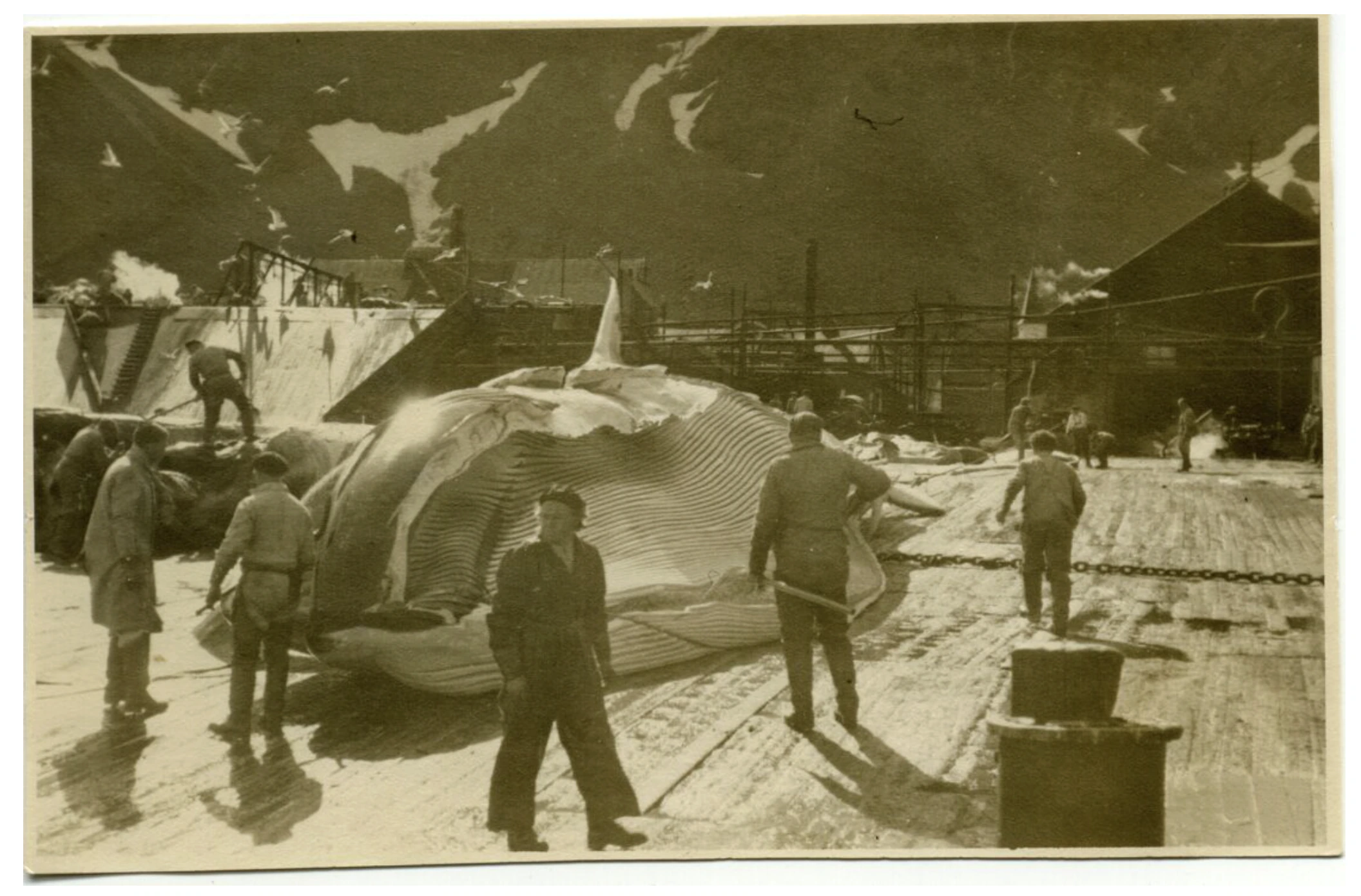
The website provides a history of whaling told through the people involved in the industry in an archive that features photographs and objects with plenty of human-interest stories. The highlight of the website is easily the oral history clips from former whalers.
Michael Hardy is the digital engagement curator at Barnsley Museums