Virtual tour | Go as you Please, National Railway Museum, York, and Screen South
Go as you Please was a temporary exhibition at York’s National Railway Museum in 2024 that featured under-represented and authentic stories about disability alongside 20th century railway artwork.
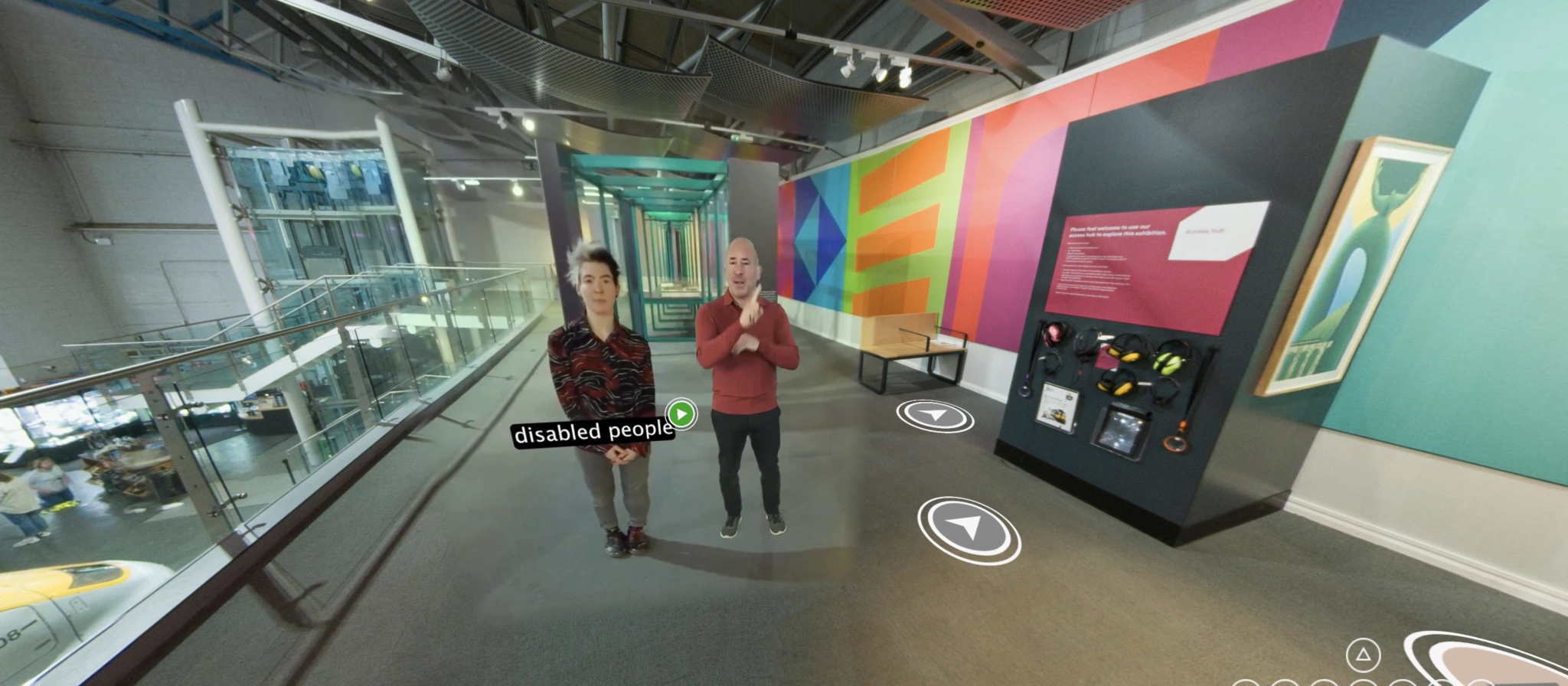
The exhibition was part of a national programme by Curating For Change, and it lives on through a virtual 360° tour, which is one of the most accessible tours of this type I’ve ever explored.
The access needs of the target audience have been well thought through, starting with a short introductory video that includes BSL. There’s also a second short video with navigational instructions for those who are unfamiliar with virtual 360° tours.
After the technical instructions are out of the way, you are greeted with a video of the curator of the exhibition, Amy Thraves-Connor. A nice touch is that she appears in the gallery, rather than as part of an embedded video, making it more personal.
The exhibition features almost everything you would have seen and heard in the physical exhibition, and all the text panels have an audio option – with a more human sounding voice than most trains I’ve been on recently.
Advertisement
The virtual gallery includes lots of posters and artworks, each with an accompanying label written by someone with lived experience of travelling with some form of disability.
As well as audio labels, there are 15 audio-described stops for the visually impaired. This also works for those who would prefer to sit back and listen to the commentary than navigate around the virtual space.
There is an ongoing debate around physical versus virtual exhibitions, but Screen South and its disabled-led programme Accentuate, with help from the National Lottery Heritage Fund, have proven that there is a place for both by adding longevity to exhibitions while at the same time making them more accessible to a wider audience.
Podcast | Absolute Units, Museum of English Rural Life, Reading
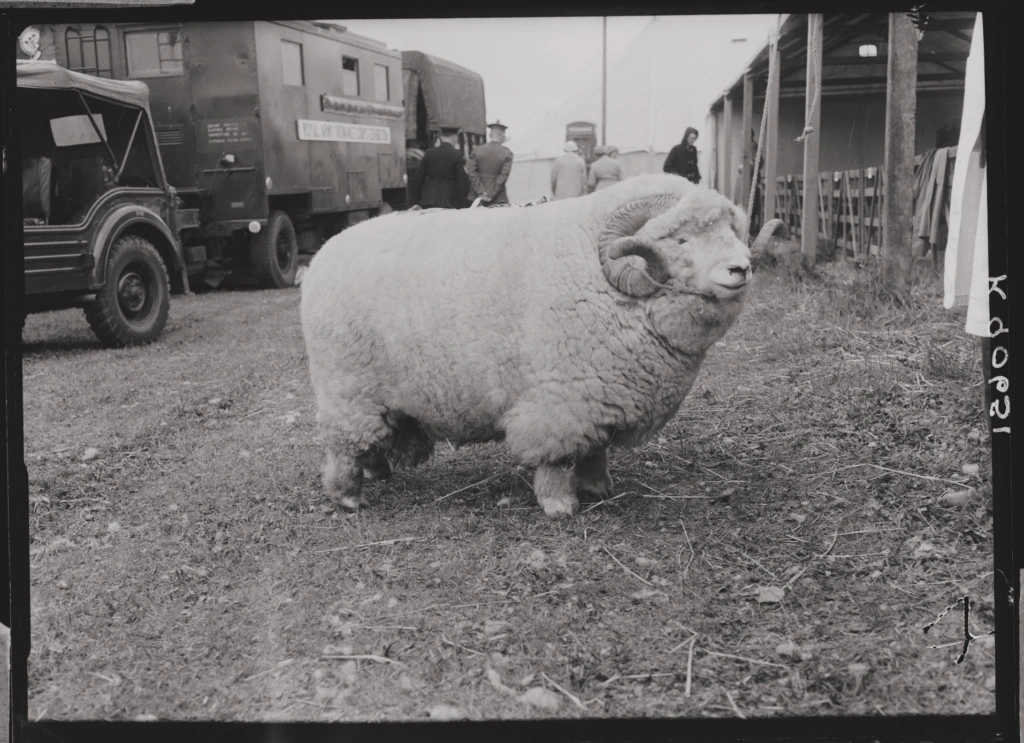
It’s an understatement to say that the world has changed since 2018 – I wasn’t aware of Elon Musk back then and my day would usually start by scrolling through Twitter. I also have to admit that at the start of 2018 I wasn’t aware of the Museum of English Rural Life (Merl).
Advertisement
Then a tweet came along of an Exmoor Horn ram and changed all that – the Absolute Unit meme was born. I can’t recall a time before this that a museum post had gone viral. Flash forward eight years and that same ram is still being discussed and is the title of the first Merl podcast.
Cultural social media expert Adam Koszary speaks about his tweet, which resulted in Merl having the largest following for a UK non-national museum on Twitter. “Before, people thought of social media as just marketing,” he says.
And as someone whose work is creating digital content for museums I couldn’t agree with this more.
Living through a global pandemic, when the only way to stay connected to an audience was through digital means, showed how vital engagement can be. As with the museum’s social media output, come for the Absolute Unit and stay for other fascinating content. Who would have thought that a sheep would go on to outlive Twitter?
Web-based app | Glenstone Museum, Maryland, US
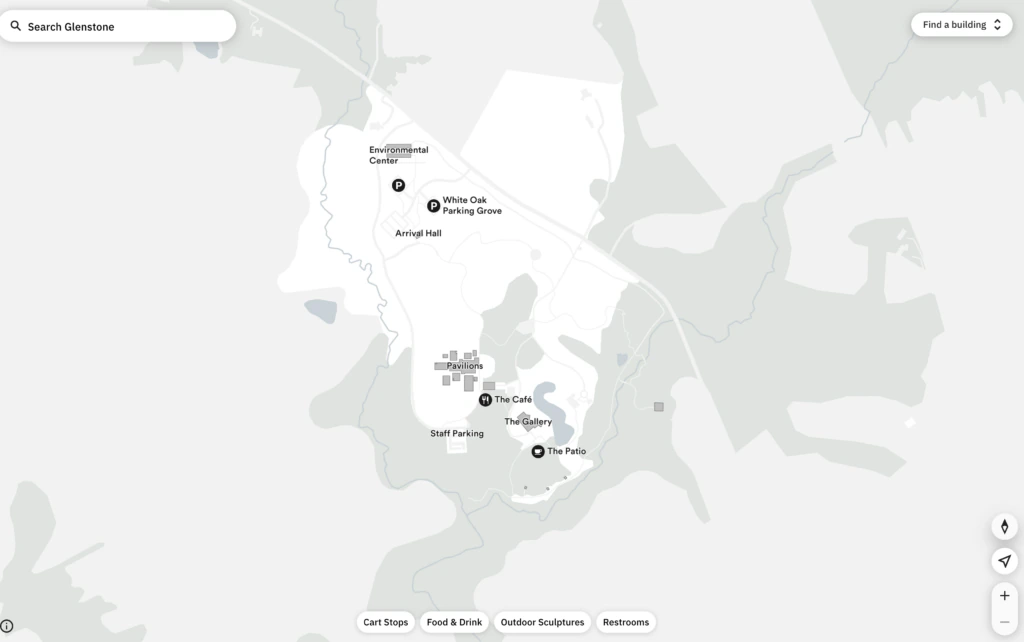
Glenstone Museum offers art, architecture and landscape over 300 acres of land, which visitors absolutely need a little help to find their way around.
Advertisement
Fortunately, the museum has recently launched a digital “living map”.
I found the web-based app easy to navigate, and its simplicity means it loads in seconds. It has a search option that offers a number of prompts and each result comes with a photo and short description. This feature means that although the app is aimed at onsite visitors, someone like me who lives thousands of miles away can get a feel of what the museum has to offer – and the museum’s navigability has made me want to visit.
Michael Hardy is the digital engagement curator at Barnsley Museums