
The Horniman Museum & Gardens in south-east London opened to the public on 29 June 1901.
It was an important year for the museum sector – several other museums and galleries are celebrating their 125th anniversary this year, along with Museums Journal itself, whose first edition in July 1901 included extensive coverage of the opening of the Horniman.
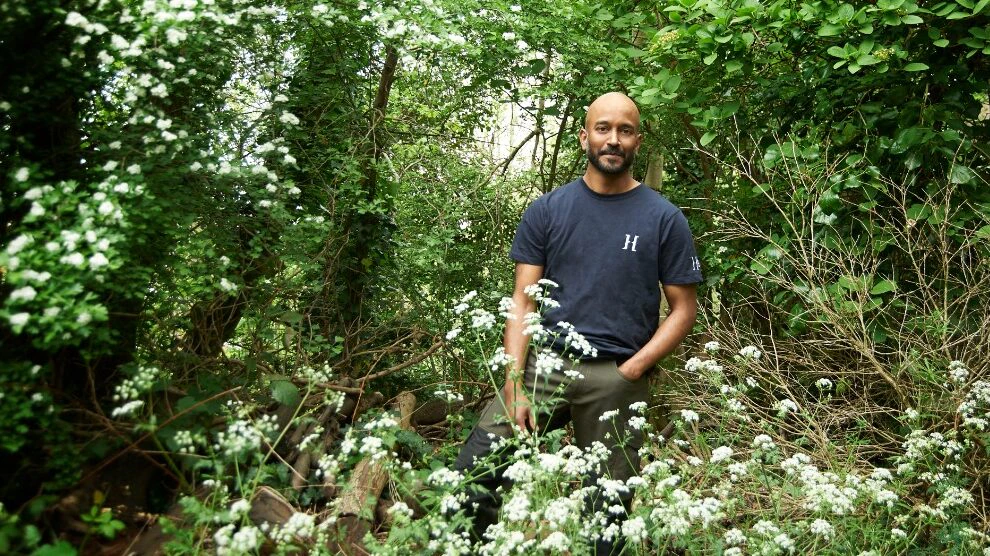
The Horniman’s gardens have always been an integral part of its attraction to visitors. As the museum prepares for its anniversary celebrations this weekend, we spoke to head of horticulture Errol Fernandes about the museum’s approach to gardening and its newly redesigned outdoor spaces, which were unveiled to the public in May as part of the organisation’s Nature + Love transformation programme.
How have the Horniman gardens been transformed by the Nature + Love project?
Fernandes: The Nature + Love project has enabled us to transform large swathes of the site with a focus on areas that were not regularly or well visited in the past. We have created direct, step-free access to our Nature Trail – London’s oldest. The large timber ramp takes visitors up to the trail, and new interpretation guides them, drawing attention to the wildlife that forms this special ecosystem.
Advertisement
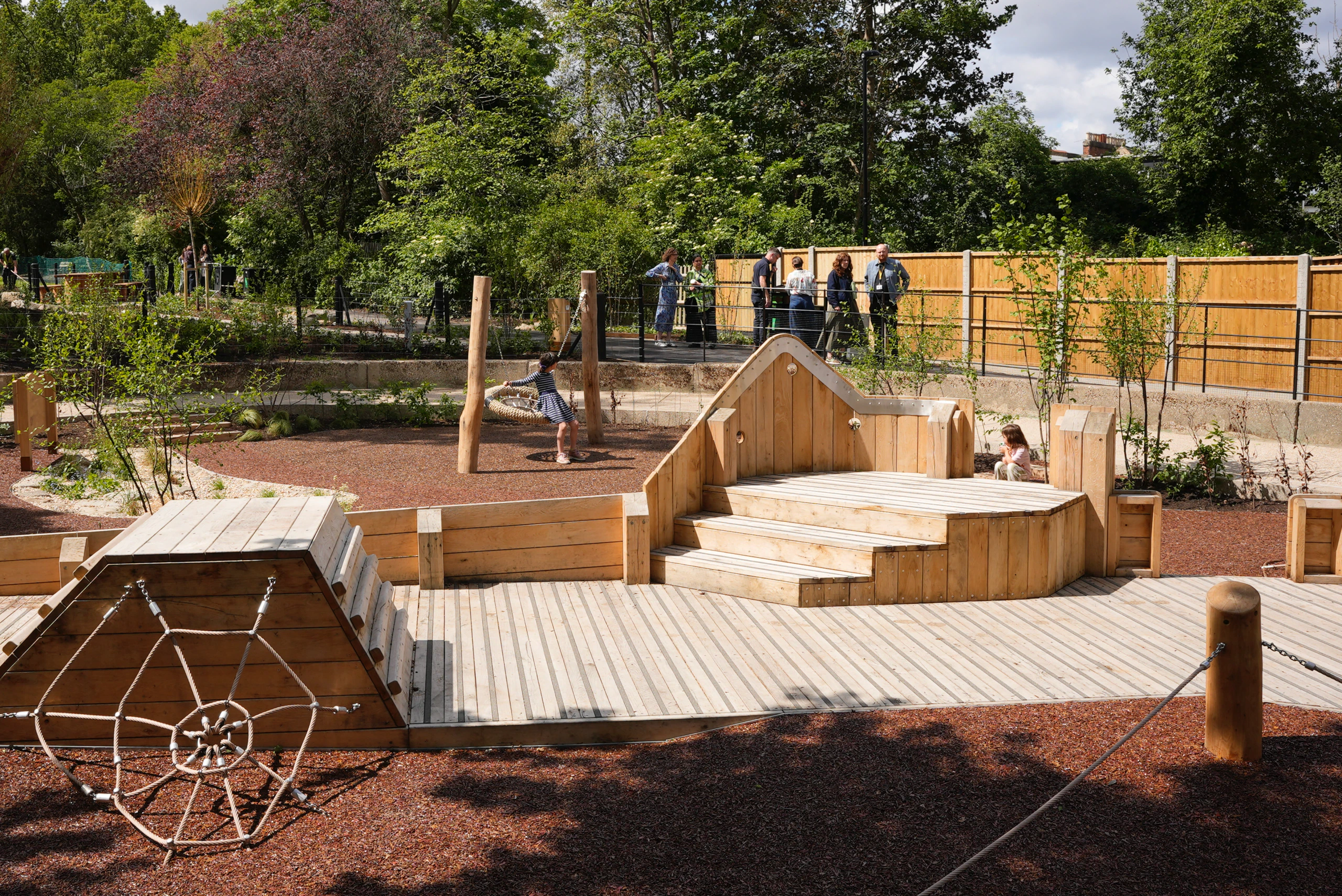
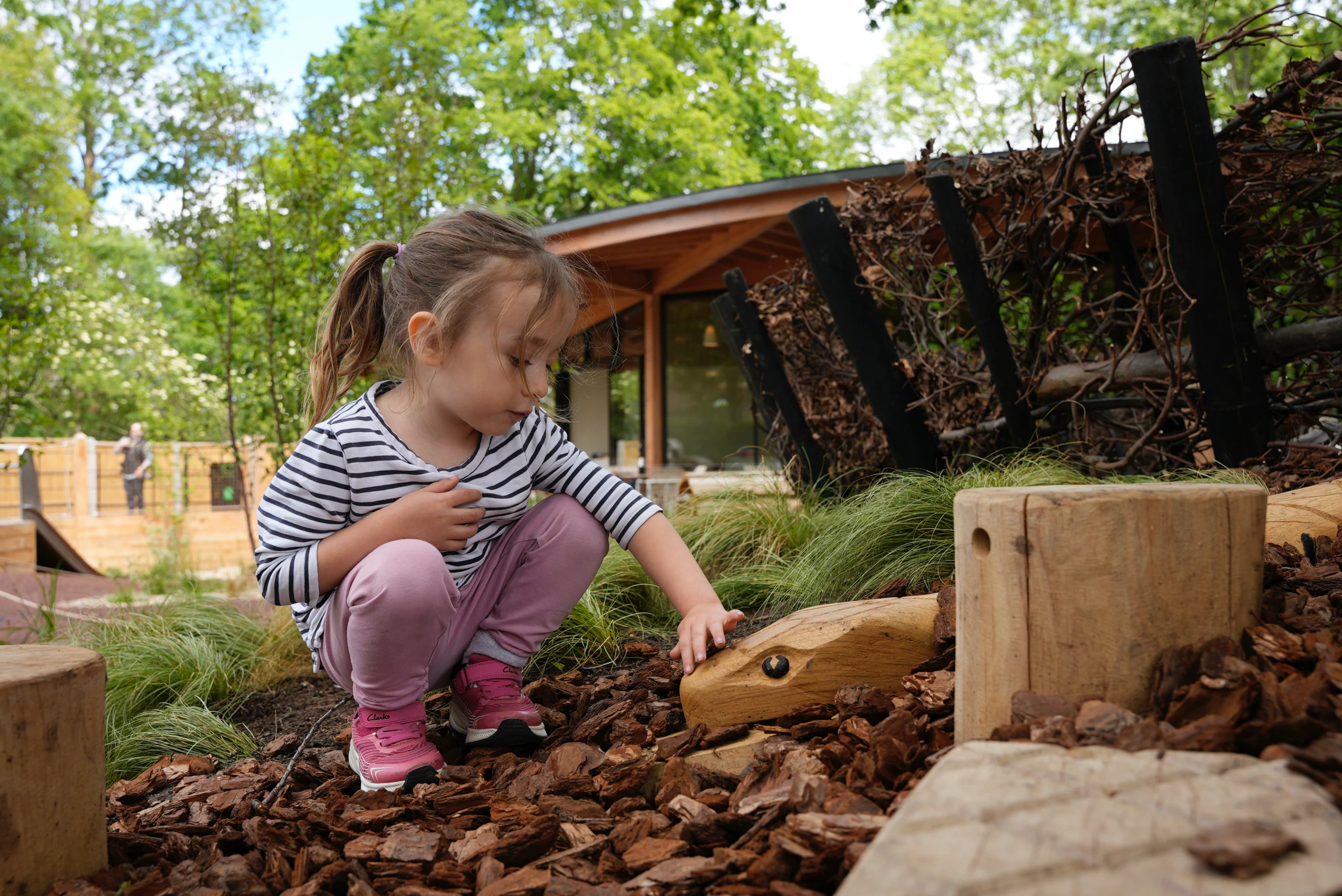
Our Kusuma Nature Play area invites young children and families to connect with British native wildlife through immersive planting and play apparatus that encourage exploration of the landscape.
The play area is flanked by a series of rain gardens that capture rainwater, slowing the flow and preventing it from entering storm drains. They also create an invaluable habitat for many birds, invertebrates, and mammals.
Our new Gardens Nursery has completely transformed our propagation facility into a sustainably heated space with automated ventilation, screening, and a rainwater harvesting system that allows us to redirect this water into the wider Gardens.
What is your approach to horticulture at the museum and how has this changed over the years?
The climate and biodiversity crisis that we face sits at the centre of our horticultural practice. However, it is essential that we identify ourselves as part of nature, part of the ecosystem and not aside or superior to it.
Advertisement
There is so much that we learn when we connect with the natural mechanisms that are happening in the garden around us.
Our role as gardeners has shifted away from placing people, us, at the centre but we can, with a careful considered approach, create garden spaces that support biodiversity, are sustainably managed and beautiful, for people too.
We have 40 volunteers who attend each week and a hugely skilled, passionate team of horticulturists. While we approach the gardens with sustainable management in mind it is essential to say that it takes great skill and horticultural knowledge to keep our 16.5 acres working for both people and wildlife.
Can you tell us about your sustainable gardening practices?
Managing resources like water and waste is at the core of our work. We compost 97% of our green waste on site and we have utilised many tonnes of construction waste in the last two years to create innovative planting.
Capturing rainwater is also very important to us, the rain gardens created as part of the Nature + Love project help us to do this while also creating an important habitat for wildlife and we have huge attenuation tanks under the play area and the new nursery that allow us to redirect this water for use in the garden.
Advertisement
The gardens are a key draw for the Horniman's visitors; what impact do you hope this transformation will have on them?
We understand the importance of connecting people to nature, fostering meaningful relationships with the natural world around us. I hope that we are inspiring visitors to think differently about their relationship with nature, as well as laying down the roots for better custodianship of our gardens and green spaces in the future.
The pandemic made many museums rethink the potential of their outdoor spaces; was this something that informed your thinking?
The pandemic certainly influenced our direction. We witnessed a renewed appreciation for gardens and green spaces – the Horniman Gardens remained open during lockdown and many local residents told us how much they valued being able to visit and spend time in nature.
There is a symbiotic relationship between us and nature; if we can help our gardens and green spaces to thrive and preserve them, then we benefit directly, they are our natural habitat too and they keep us healthy and happy.
Looking back over the past 125 years, how do the Horniman gardens of today compare with those of the past?
The wider gardens formed gradually as more land was slowly acquired around the original museum building and gardens that opened in 1901.
The gardens used to be managed by London County Council and were quite formal and municipal. Over the past few decades we have worked to connect the gardens with the internal museum collection.
The Dye border, Medicinal border and Materials beds for example are curated living displays that draw attention to artefacts that can be viewed internally.
In 2020, the Horniman launched a Climate and Ecology Manifesto and this has become central to our horticultural practice. In the last five years we have developed areas that take direct inspiration from nature such as our micro-forest, a dense planting of 900 trees in 400msq, and our Xerophytic planting, designed to thrive in climate extremes, planted in 25 tonnes of waste concrete rubble from a major construction project onsite.
We have also redeveloped our Sunken Garden, moving away from traditional bedding, towards a perennial planting that supports birds and invertebrates and has been curated in line with our taxidermy birds and invertebrate collection within the museum.
Our aim here was to create a beautiful, immersive display that is as attractive to people as it is to wildlife, creating a moment where we crossover and connect with the natural world we live in and demonstrate that we can live in harmony alongside nature.
Now that you've completed this project, what are your future plans?
The newly planted areas will need some time to settle in and mature. Finding the balance between engaging nearly a million visitors and establishing newly planted areas of the gardens can be tricky but we are excited to watch it develop.
Beyond this project we have some other areas of the gardens that we would like to redevelop in future, if funding and capacity allow. For instance, the laurel bank below the Bandstand is a nightmare to maintain and isn’t particularly beneficial to wildlife – it could instead become a beautiful, terraced herb garden. Sometimes you have to dare to dream!