The Horniman Museum & Gardens is preparing to celebrate its 125th anniversary on 29 June.
The much-loved south-east London museum has just completed the first phase of its Nature + Love transformation project, which saw the introduction of new outdoor experiences and a nature-focused children’s play area.
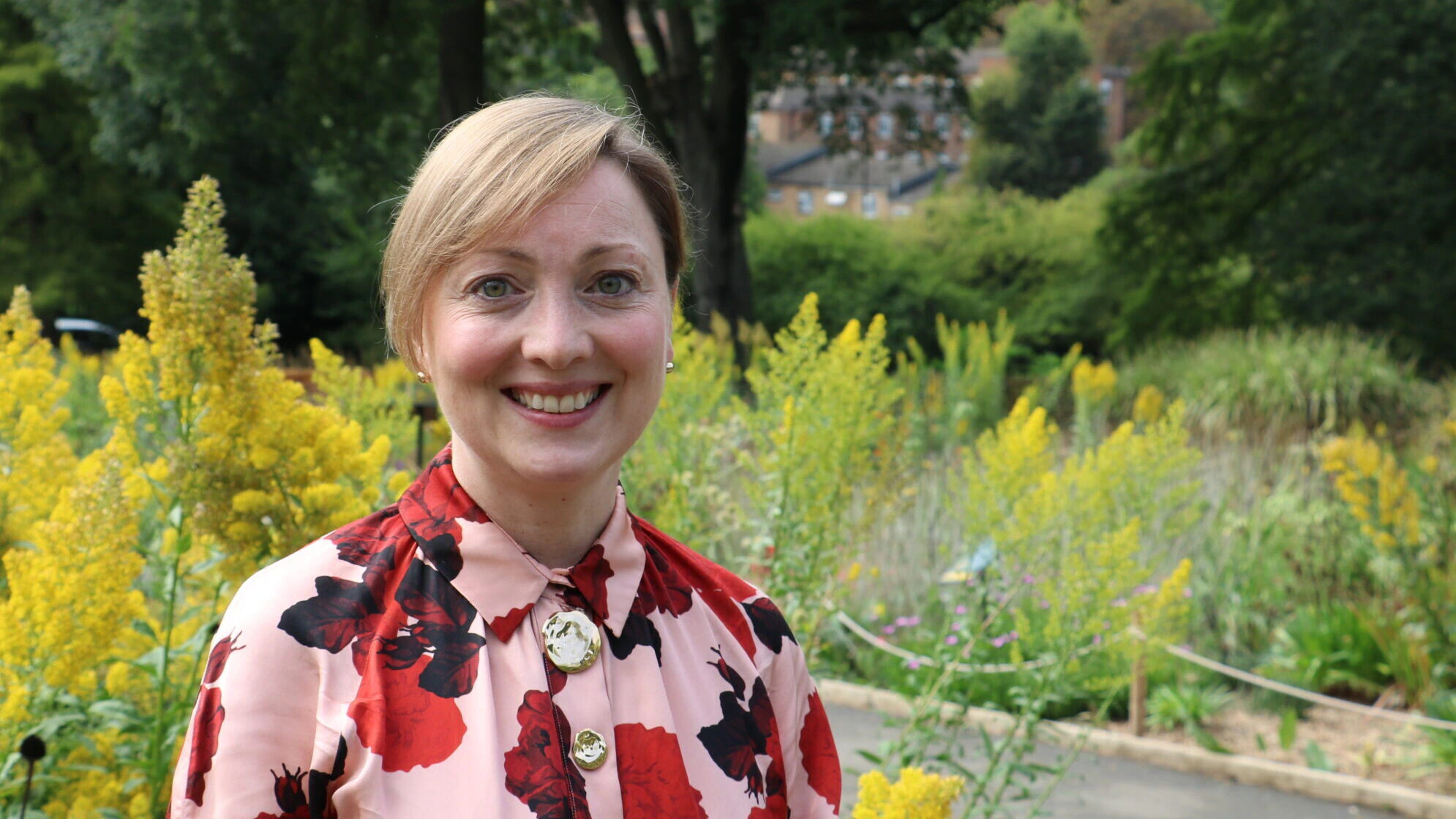
In the second of our interviews reflecting on the museum's 125th year, Peronel Craddock, the Horniman’s director of content, tells us what drove the redevelopment and how the museum is marking its landmark anniversary.
What are you doing to celebrate the Horniman's 125th birthday?
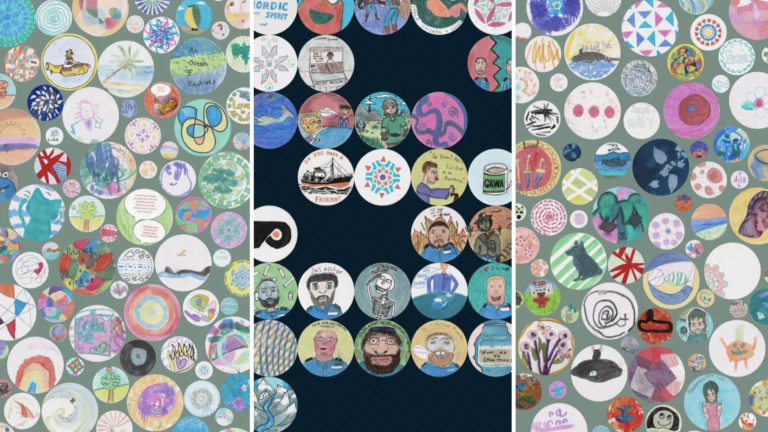
Our celebrations start with a free birthday party on 27 June which offers visitors a day of more than 40 activities - including giant crafts, music stages and roaming performances, tours and trails, and birthday-hat-making. There will also be opportunities for visitors to share their memories of the Horniman and their hopes for its next 125 years.
Advertisement
Throughout the summer we have a season of live music concerts on the Horniman’s historic Bandstand, a special birthday-edition Sunday market, and a schools event with workshops, wellbeing activities and careers speed networking.
We are also really looking forward to all of our spaces being open again in early 2027, when the Horniman’s popular natural history gallery will reopen and will round off our celebrations.
The fully refurbished gallery space will be redisplayed with both familiar favourites and new objects, with the walrus in pride of place. There will be curated displays and co-produced interventions by community and school groups, exploring our relationship with, and impact on, the natural world.
Looking back over the past 125 years, how would you say the museum has changed in that time, and what does the future hold?
Our founder Frederick Horniman gave his museum, gardens and collections to ‘the people in perpetuity’ in 1901 to help them discover the world.
It is said that he built the museum to ‘bring the world to Forest Hill’, a legacy that lives on at Horniman today, but in a world that is very different.
Advertisement
Going forward, the climate and ecological emergency will remain at the heart of much of our visitor-facing and behind-the-scenes work beyond Nature + Love, and we have a roadmap to be greenhouse gas neutral by 2040.
We will continue to address the ongoing legacy of our colonial history through our practice, content and programming, and build on our commitment to being as accessible as possible, physically, intellectually and culturally, in particular to better reflect the diversity of the London population.
Our 125th year is the perfect opportunity to think and dream big, and as part of that we’ll be asking people to share their ideas about what they’d like the next 125 years to bring for the Horniman.
Can you tell us about the background and goals of the Nature + Love project?
Nature + Love is a transformational project to inspire a greater understanding and appreciation for the world we all share. Through the project, we hope to foster and build on people’s love of the natural world, and of the coming generations, inspiring positive action to preserve and protect our incredible planet.
The voices of the communities around us are shaping new spaces across our Gardens and museum, improving access to nature and providing high quality free experiences now and into the future.
Advertisement
Supported by The National Lottery Heritage Fund, Nature + Love invites everyone to have the opportunity to engage with, and be inspired by, our collections, buildings, gardens and programming.
How does it fit with the Horniman's wider environment and nature strategy?
The Horniman launched a Climate and Ecology Manifesto in 2020 which has become central to everything we do, outlining the steps we are taking to mitigate against the climate and ecological emergency and help shape a positive future for the next generations.
We hope the new spaces will provide a gateway for visitors of all ages to learn about and nurture a love for nature. Equally important is the opportunity to do more ourselves to make the Horniman more sustainable and support biodiversity in our Gardens.
The project has given us the opportunity to future proof for a changing climate, including more sudden heavy rain showers and longer periods of drought.
A rainwater harvesting system, capturing water from the Gardens Nursery in underground tanks, means that we now rely much less on tap water during dry periods. And rain gardens help disperse heavy downfalls, avoiding flooding.
What new highlights can visitors see at the museum?
In May, we opened all our exciting new outdoor experiences, just ahead of the Horniman’s 125th anniversary celebrations.
Kusuma Nature Play is a free nature-themed play area which sits next to a new family friendly cafe, run by Colicci, and a picnic area.
The new area also has an accessible entrance directly on to our historic Nature Trail, where you’ll find interpretation highlighting some of the many species that live there.
The sympathetic changes to this previously underused area of the gardens are designed to support biodiversity, alongside encouraging visitors to appreciate the rich diversity of wildlife around us.
A free interactive AR trail of the Gardens, Animals Everywhere!, with a cast of 3D animated creatures, challenges and mini games, connects visitors with some of the animals they may discover in the gardens and inside the museum.
Our new Gardens Nursery area features a glasshouse, public terrace and workshop space offering local communities and other visitors the chance to learn about sustainable gardening, to enhance wellbeing and the health of the planet.
Nearby is a Community Garden developed with, and cared for by, local community partners, offering respite, reflection and a space for programmes that support mental wellbeing.
In addition, in early 2027 the Horniman’s popular natural history gallery will reopen, along with a new interactive family friendly space. The fully refurbished gallery spaces will be redisplayed with both familiar favourites and new objects, exploring humankind’s relationship with, and impact on, the natural world.
What was the thinking behind the design of your new children's play area?
Kusuma Nature Play started with the idea of connecting children with nature through play. Play is universal, and learning through outdoor play, as well as connecting to nature, have proven benefits for wellbeing. In particular, we wanted the space to highlight the wildlife in our local area, to encourage our younger visitors and their families, to learn about and cherish the natural world.
Under 5s from local community groups chose the species that inspired Kusuma Nature Play – from a fox den to a robin’s nest and a beehive finger maze. Incorporating natural materials with elements made of timber and recycled materials, the space encourages natural play and exploration.
The designs and play structures were shaped through consultation with local audiences, and we worked hard to minimise disruption to existing wildlife and habitats.
How have visitors reacted to these changes so far?
We’ve had fantastic reaction from visitors. There have been lots of great posts from families enjoying the new play area and cafe, and lots of excited and smiling faces.
Many of the people who co-produced or helped us imagine and design the new spaces also came to celebrate the opening with us. They told us that they had gained confidence and a love for community from being part of the project, and loved the finished spaces. Their ideas, contributions and feedback were integral to the development of the spaces, and plans for future programmes.