This week, the Story Museum in Oxford opens Mystery Academy: School for Young Detectives, a new immersive exhibition inspired by the literary canon of detectives, sleuths and subterfuge.
The interactive show was created and designed in close collaboration with the museum's Story Curators programme, where young people aged 11 to 16 work with the exhibitions and production teams to develop skills in curation, design and construction. The initiative involves young people in all aspects of the show's production, from first ideas to exhibition build.
Museums Journal caught up with Ameneh Enayat, the museum's head of creative programme, to hear about this innovative model for participatory engagement.
Tell us a little more about the exhibition - why did you want to focus on the detective genre?
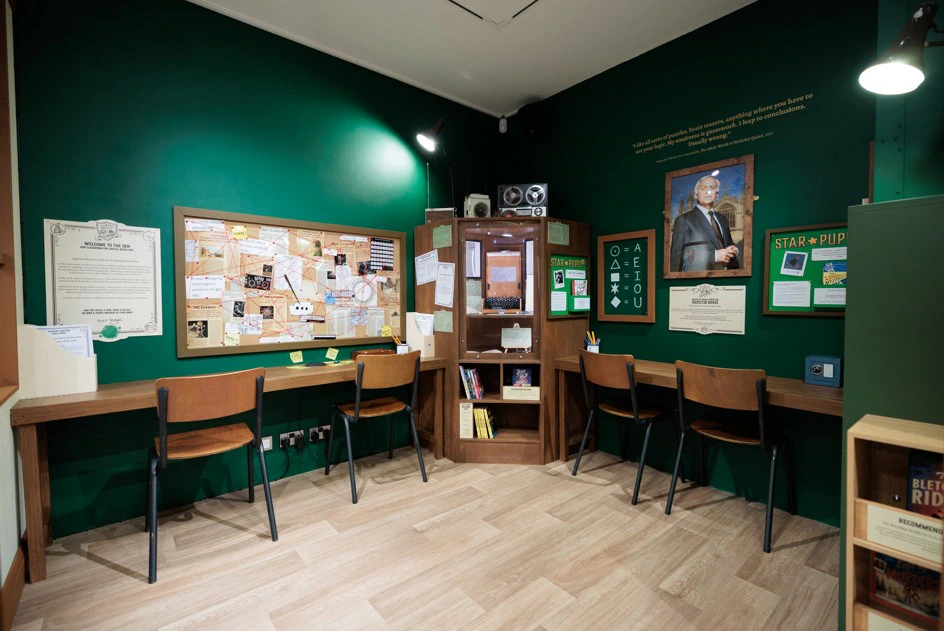
Ameneh Enayat: Mystery Academy: School for Young Detectives is an immersive, hands-on exhibition celebrating the world of detective stories. Visitors step inside a fictional boarding school inspired by classic and contemporary detective stories, and are invited to think and act like a budding sleuth.
Advertisement
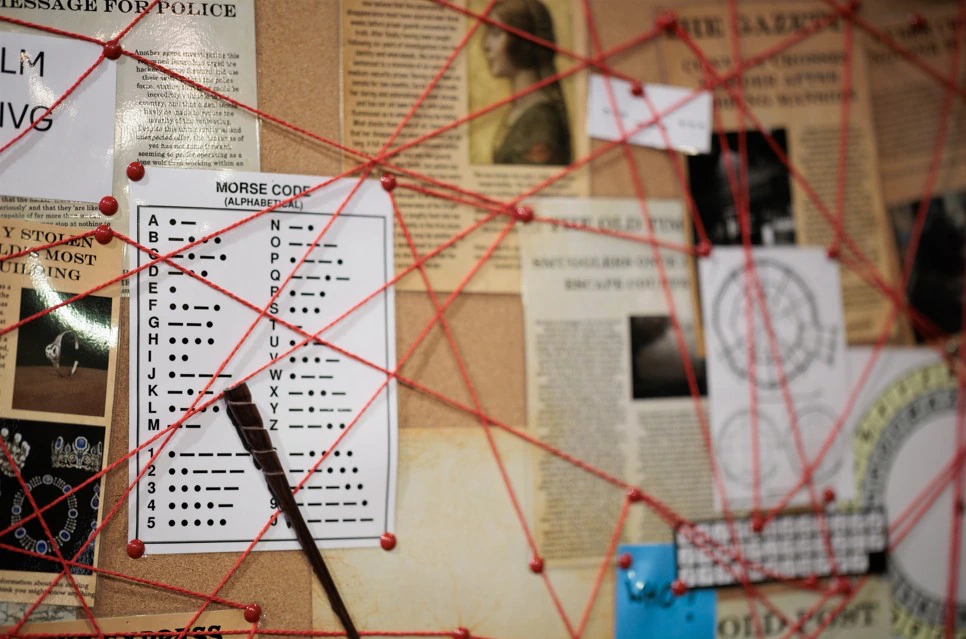
Acclaimed author Sharna Jackson has created a central mystery for the exhibition, giving young detectives the option to follow the clues and solve the case - or they can simply explore the richly imagined story world at their own pace. Designed to spark curiosity, creativity, and playful discovery, the exhibition features interactive challenges, puzzles, dressing-up, and secret dens - all inspired by great detective stories.
Putting young audiences at the heart of our museum, we selected the theme through consultation with local schools and youth groups, asking what stories they would like to see in our next major exhibition. Mystery, crime and detection emerged as one of the clear favourites, reflecting the huge popularity of this genre.
The UK has a deep cultural love of this literary tradition, from the classics to the vast range of contemporary crime and detective stories for children and young people - it’s a much-loved, cross-generational genre with strong potential to captivate visitors.
It’s also a genre that lends itself particularly well to short stories, graphic novels, puzzle books, film, and television, making it especially appealing for reluctant readers and creating a fantastic connection with the National Year of Reading. Finally, the theme also provides strong wraparound programming opportunities for learning, events and retail. An all-round winner!

Who are the Story Curators and how did you go about recruiting them?
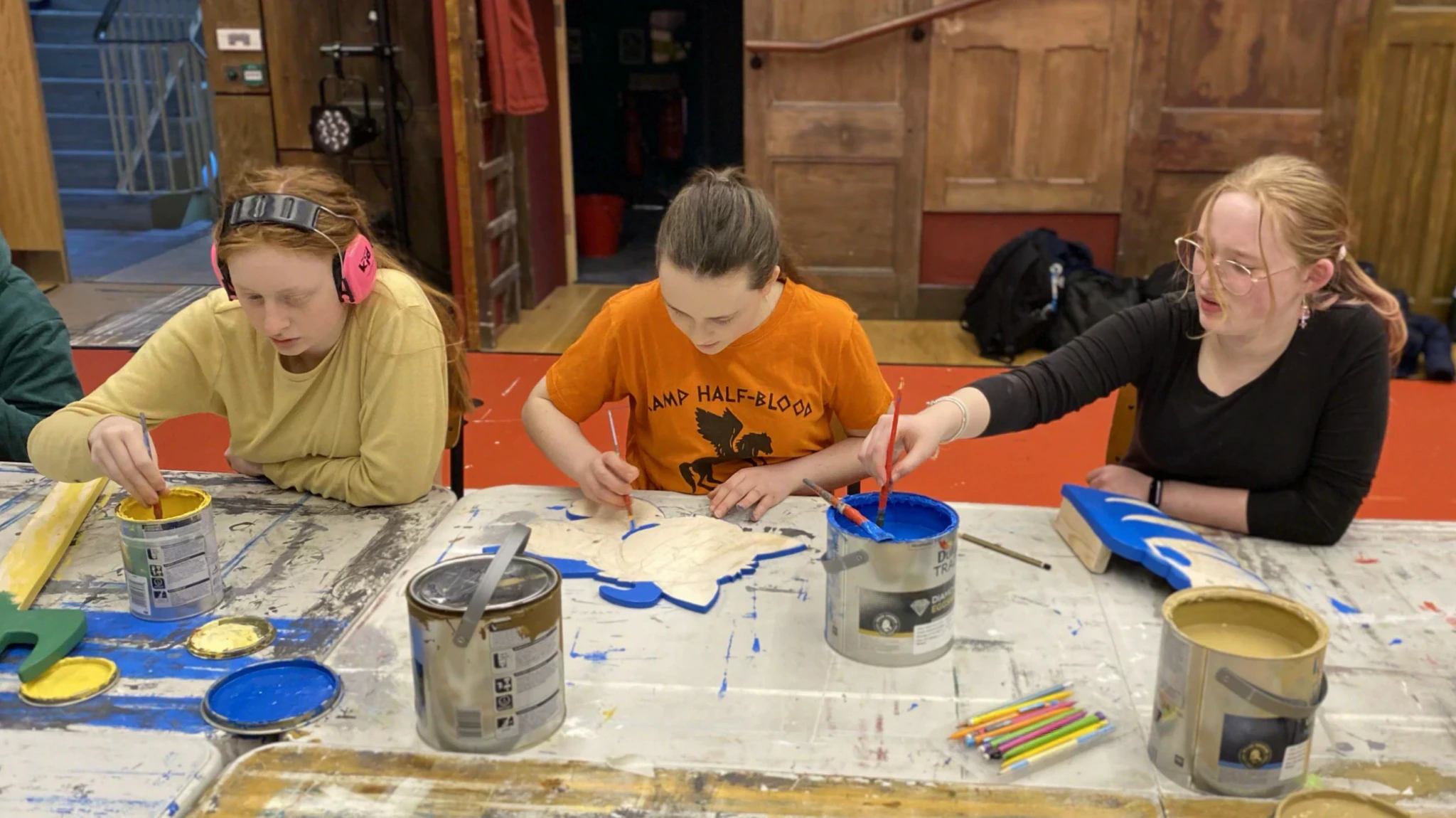
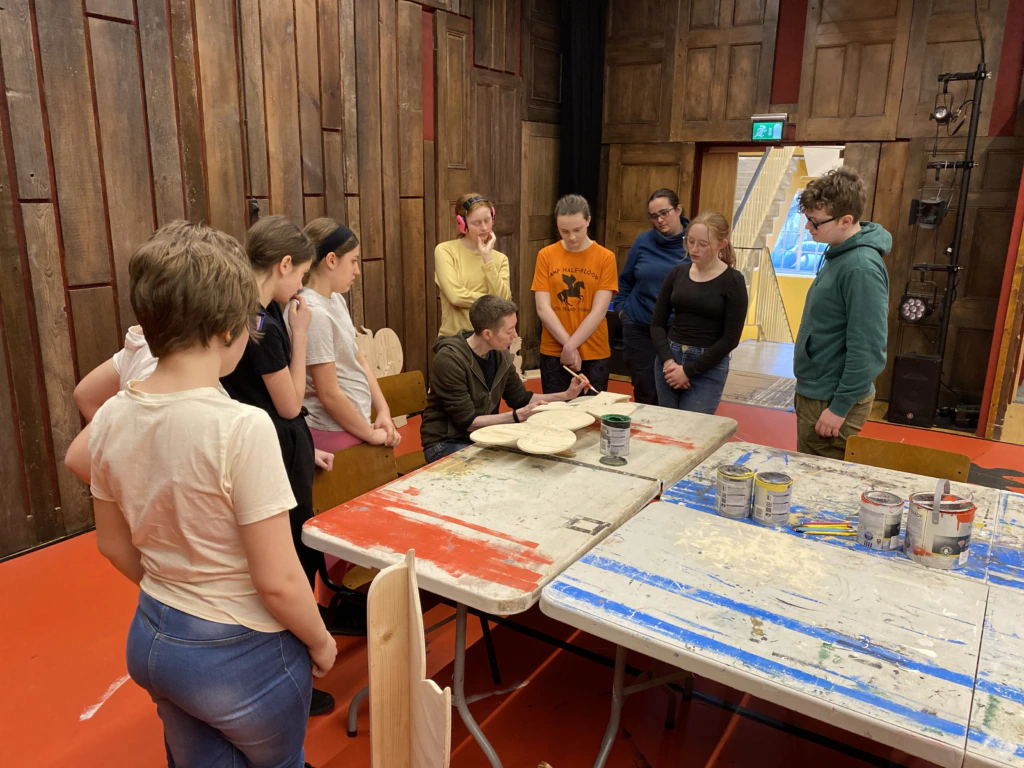
Story Curators is a three-year skills development programme for 11- to 16-year-olds, exploring the worlds of immersive exhibitions. Participants work alongside the museum team to develop practical skills in curation, design and construction, creating public-facing installations each year within the museum.
Advertisement
In July 2026, the programme reaches its culmination, with the young people’s ideas, creativity and contributions brought together in this major exhibition celebrating their journey and achievements. Free to access, Story Curators has been shaped by young people recruited through our network of schools and youth groups.
How did they help shape the exhibition?
The Story Curators developed the core concept and helped shape the design of the exhibition, supported by close facilitation from museum staff. With a clear set of parameters and guidelines, the group developed the tactile environment and interactives – while considering audience needs, accessibility and practical considerations. Pastoral support and honest feedback helped ensure young people feel valued and capable, while maintaining professional standards.
What impact has the co-curation project had on those involved?
It has been a joy to watch the group’s journey unfold over the past three years and to celebrate all they have achieved. For me, one of the most inspiring things has been seeing their confidence grow – particularly when they stood up to share and present their creative ideas to museum staff, which is no small feat for any young person.
Advertisement
But to answer this question properly, we thought it would be best to hear directly from the Story Curators themselves:
Caitlin: "Because I struggle or have struggled with feeling unsure and uncertain of myself throughout the years, I guess I've become more confident in myself and my art. I think this is from taking part in the programme itself… I would recommend it to other people. It's been a learning experience, and I feel as if I have grown as a person because of it."
Caitlin has been a Story Curator since August 2024
Freya: "I've had lots of fun doing all the designs and I feel a lot more confident in my art skills. I feel like I've got a lot more variety and skills that I never really had before. So, it can help me in my future. Story Curators is great, I really love it, and I want to do it forever!"
Freya has been a Story Curator since August 2024
Hope: "At the start we always go through themes and do mood boards which is really fun and then we do proper design work and then that all wraps up into a big presentation of our final design, and now we're doing construction, which is really fun and we get to learn how to use all the different tools. I like using the jigsaw best, that's really fun because, we use drills in school but I think you get to do it in a much more hands-on way here, like it's building something that you've designed.
"I feel like I'm more creative. I can draw in 3D now, which is interesting and is good for school. I've learned how to use different tools which is good for later on in life. This is one of the favourite clubs that I do."
Hope has been a Story Curator since September 2024
Story Curator: I really like stories. I like writing and analysing things and Story Curators combines that with technical things. I like learning how to make things that other people will enjoy and that's the basis of Story Curators. I’ve gone to every session and weekend summer camp that I could.
Story Curators helps me to keep my stress levels down because everyone here is very friendly and creative so I can talk to people who are like-minded and it makes me very happy.
Story Curator since January 2024
What's innovative about the exhibition and how it engages visitors?
The Mystery Academy turns a museum visit into an interactive adventure where visitors become part of the story. Instead of just looking at displays, young detectives step into an imaginative world, arriving as new students at the Academy and helping to solve the disappearance of the headteacher, Christie Moyo.
Visitors can choose how they explore - following clues, solving puzzles, discovering hidden spaces, or enjoying the story world at their own pace. Through immersive classrooms, hands-on activities, and playful challenges, they learn detective skills while exploring the world of mystery stories.
By combining storytelling, play, and discovery, the exhibition creates a unique experience where children are not just visitors - they are the detectives.
What does the co-curating process look like at the Story Museum?
We work in different ways. Our Youth Collections Ambassadors (aged 11-16) collaborate with our Collections Manager to review stories, write interpretation, and shape mini-displays both in the museum and online. This work is firmly rooted in our collections framework.
Story Curators has been a longer-term co-creative and co-curation programme, where young people and museum staff jointly develop installations, deciding together what they will explore, how they will look, what collection will be used, and how audiences will engage with them.
All this activity is supported by a clear framework that considers audience, outputs, resources, and timescales. Our work with young people is closely evaluated in terms of its impact on skills development, confidence-building, and wellbeing in the participants, reflecting our core mission to harness the power of stories to enhance young lives.
What advice would you give to other museums considering this type of project?
Play not only to your collections, but also to your organisation and team strengths – consider what makes your museum, its approach and its expertise unique, and how young people can become part of that story? There is a fine balance between meaningfully interpreting young people’s ideas and avoiding tokenism, so take time to think through your approach, expectations and guidelines for participation – what does success look like for the participant and for the organisation?
Finally, be patient. Building meaningful participatory projects takes time, trust and investment, but the relationships and outcomes that grow from this work are hugely valuable.
What does the future hold for participatory practice in museums?
Participatory practice in the museum sector is such an exciting area, with the shift towards designing museums with young people, rather than simply creating spaces for them. The future is likely to see more long-term partnerships, youth-led approaches, and greater recognition of lived experience as a form of expertise.
Museums are increasingly becoming spaces of dialogue and collaboration, though the challenge will be ensuring participation is meaningful, sustainable, and embedded in institutional culture rather than treated as a one-off project.