Last Sunday, the museums of Ironbridge Gorge held their last day of opening under the care of the Ironbridge Gorge Museum Trust (IGMT), the independent charity that has run the Unesco World Heritage Site for almost 60 years.
The Shropshire site, which comprises 10 museums and 35 listed heritage buildings, is transferring to the custodianship of the National Trust on 2 March after a challenging period that saw it grapple with severe flooding and falling visitor numbers.
Supported by a £9m government investment, it is hoped the takeover will secure the site’s long-term future and enable it to benefit from the National Trust’s high profile and visitor expertise.
It’s an exciting new era for Ironbridge but a bittersweet time for all those who worked at the trust; now in its 60th year, IGMT was a pioneer of the community-led, charitable museum model, and revolutionised the care, study and interpretation of industrial heritage in the UK.
To mark the trust’s final days of opening last weekend, a group of staff, Friends and volunteers walked from Coalbrookdale and Broseley Pipeworks to Blists Hill Victorian Town, stopping off at each of the trust’s museums along on the way to close them. A special parade and ceremony were held at Blists Hill to mark the end of the day.
As IGMT prepares to wind down, Museums Journal spoke to the collections team at Ironbridge to hear their reflections on the trust and its legacy.
Answers were written jointly by the collections team at IGMT.
What made Ironbridge pioneering as an independent museum trust?
From its earliest years, the Ironbridge Gorge Museum Trust helped redefine what a museum could be. Breaking away from traditional models for museums, it demonstrated that a community-led, independent trust could preserve heritage at scale while remaining sustainable.
Advertisement
By combining conservation, education, tourism and multi-site operations with earned income, retail and fundraising, the trust pioneered an integrated model that influenced the growth of independent museum trusts across the UK.
In 1977, Ironbridge was a founding member of the Association of Independent Museums, helping shape a sector that today connects more than 1,000 independent museums and heritage organisations nationwide.
How has the trust influenced the conservation of industrial heritage?
Conserving industrial heritage has been at the heart of the trust’s work since its conception.
From the mid-1950s, when Michael Rix coined the phrase “industrial archaeology”, through to the 2023-26 Conserving the Historic Estate project funded by the National Heritage Memorial Fund, pioneering techniques and approaches to preservation have ensured that the nation’s important heritage monuments are protected.
Ironbridge has long been recognised as a sector leader in heritage conservation. It was among the first museums to rescue and rebuild entire buildings and industrial machinery, and successfully reimagined industrial buildings and landscapes as leisure and learning spaces, giving them a new lease of life.
Advertisement
In 1973 the museum hosted the First International Conference on the Conservation of Industrial Monuments, which marked the beginnings of what became the International Committee for the Conservation of the Industrial Heritage. In 1977, the trust’s first director, Neil Cossons, was elected president of the Association for Industrial Archaeology.
When the Ironbridge Institute opened in 1978, it became renowned for its course in industrial archaeology, the first in the country. Since September 2012 the trust has hosted the Industrial Heritage Support Officer Project in partnership with the Association for Independent Museums and the Association for Industrial Archaeology, to provide professional help to industrial heritage sites in England.
What interpretation techniques did Ironbridge pioneer? How did it engage people with the human story of the industrial revolution?
The trust recognised early on that it was uniquely placed to tell the story of the innovations that resulted in Britain becoming the “workshop of the world” in the late 18th and 19th centuries in the places where it happened.
Through Blists Hill Victorian Town in particular it has also been able to show how industrialisation impacted the way people lived in the late 19th and early 20th centuries.
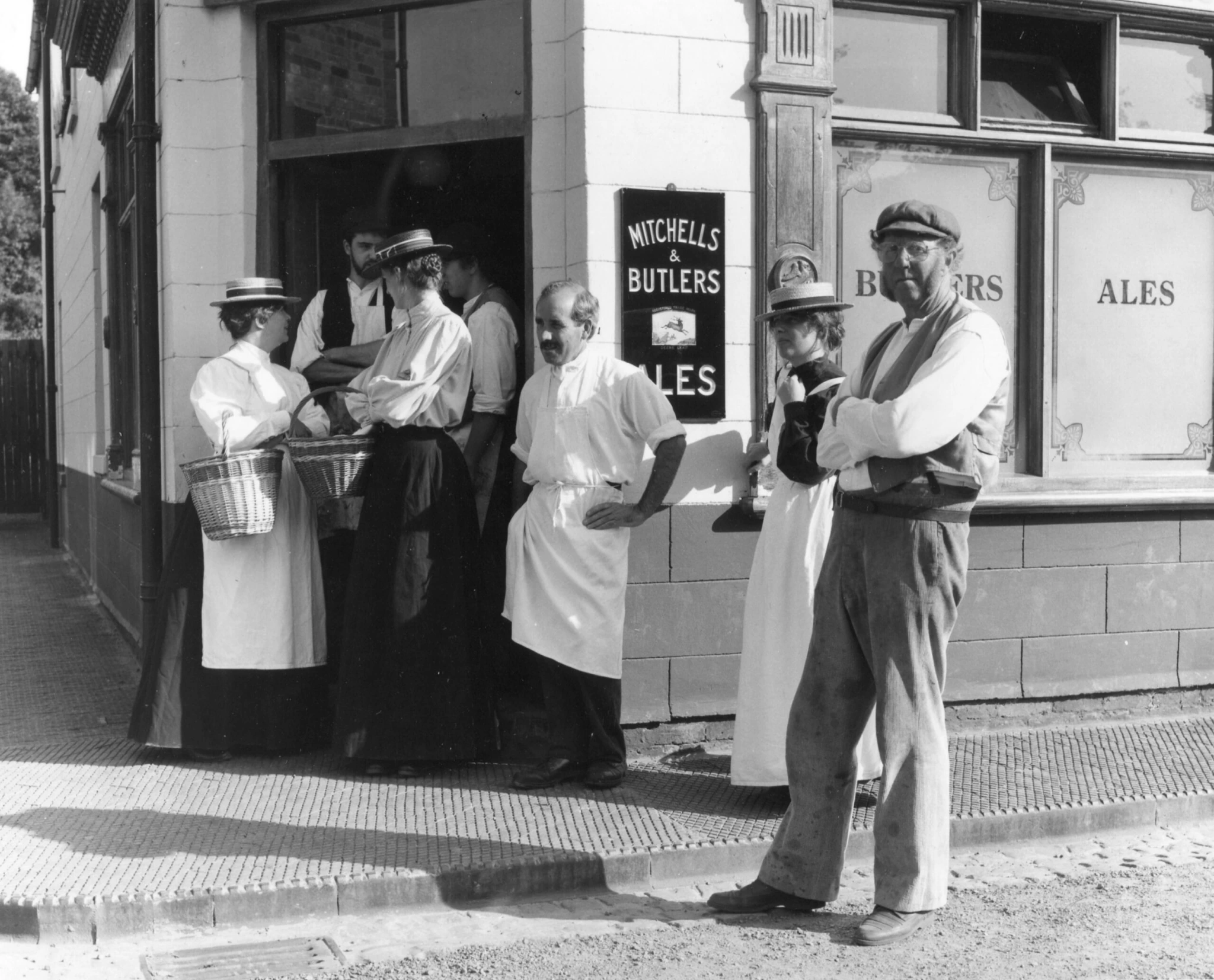
One innovation was the introduction of costumed demonstrators at Blists Hill. When the first demonstrators were appointed at Blists Hill, it was decided they should wear costume. While they would not act or speak as Victorians, it was considered important that their costume was authentic and historically accurate to the selected year, 1900.
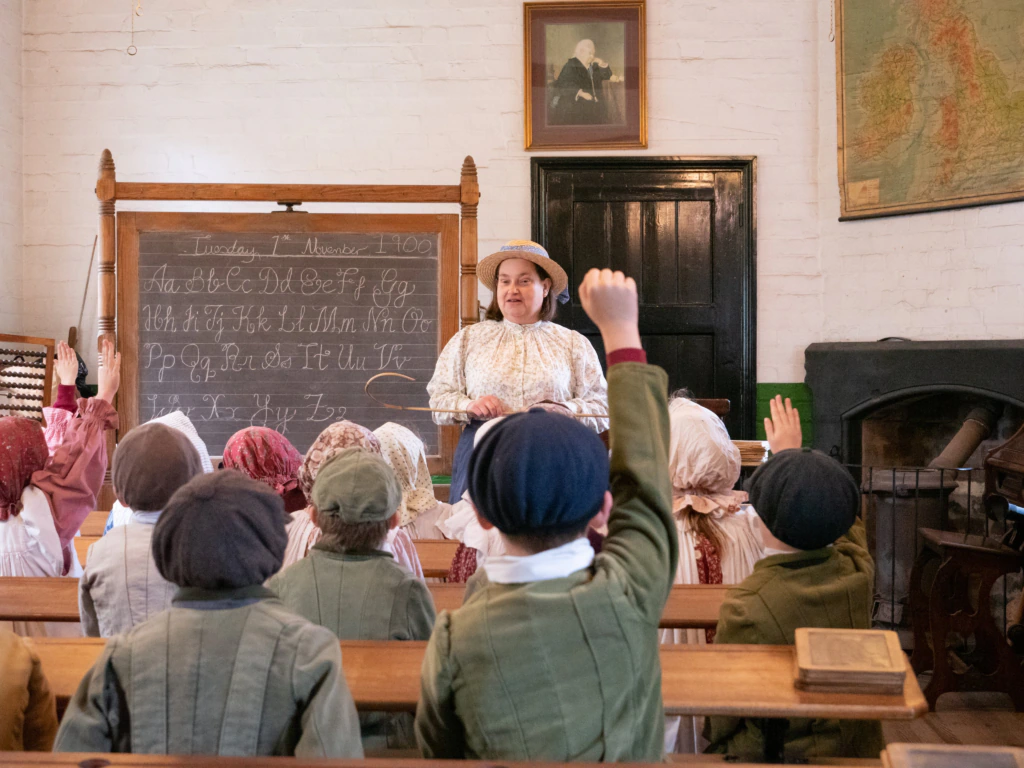
This was an innovative method for interpreting museum stories. The enormous amount of research carried out by Ironbridge’s costume interpreters to ensure the authenticity of the costume set the standard for other similar organisations.
Advertisement
Costumes were worn consistently by demonstrators and select other museum staff from 1981 onwards. In 1992, when the Victorian School opened, a set of outfits was also made for children on school visits to wear.
As well as producing costumes for its costumed interpreters, since 2004, the museum’s Costume Project has produced bespoke costumes for use by other museums and heritage organisations.
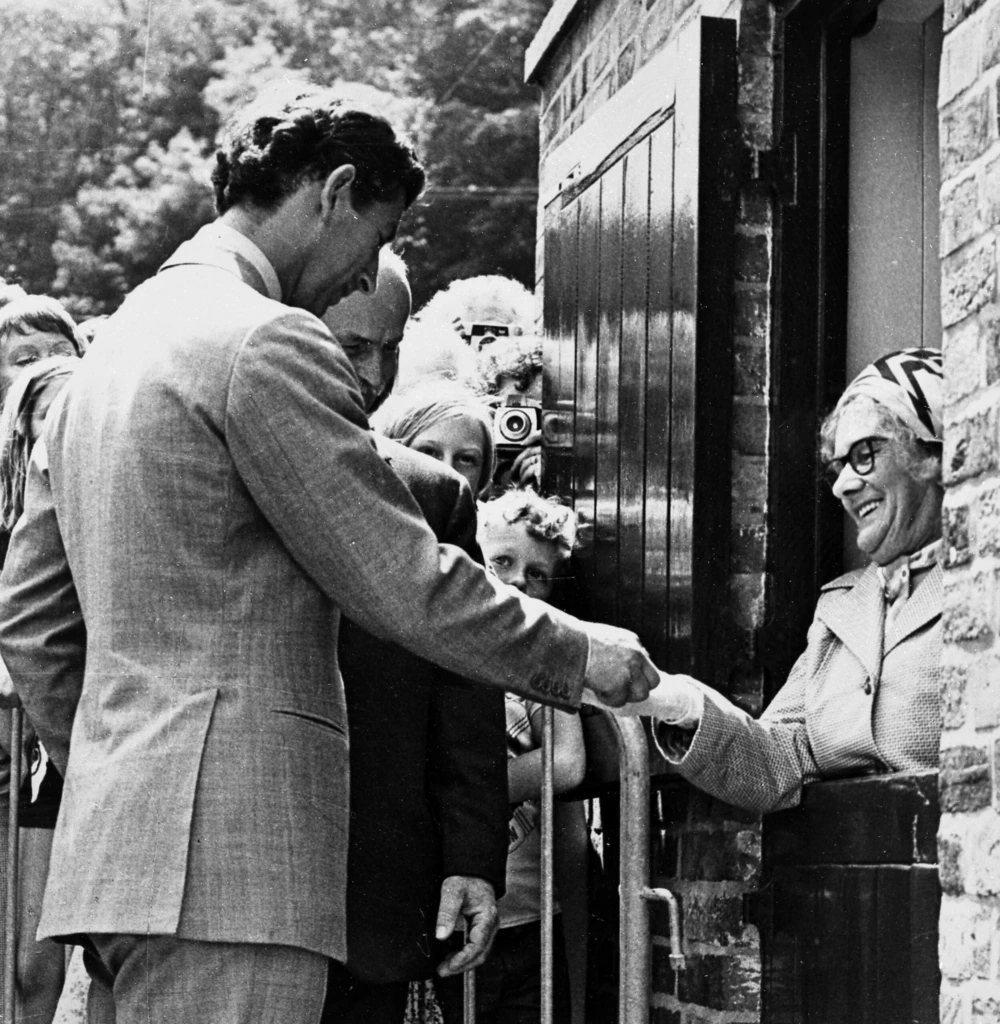
Other examples are being able to change modern money for token coinage at the bank.
Also, for many years in the Printing Shop, blind people have been allowed to feel the type in the composing stick as the printer places the letters, and also the chase containing the final text ready for printing. In 1982 researchers from the National Mobility Centre in Birmingham also trialled a ‘braille’ map (a ‘raised map’ which also provided narration and extra instructions regarding flights of steps or sloping ground) at Blists Hill.
How has Ironbridge helped to preserve heritage crafts?
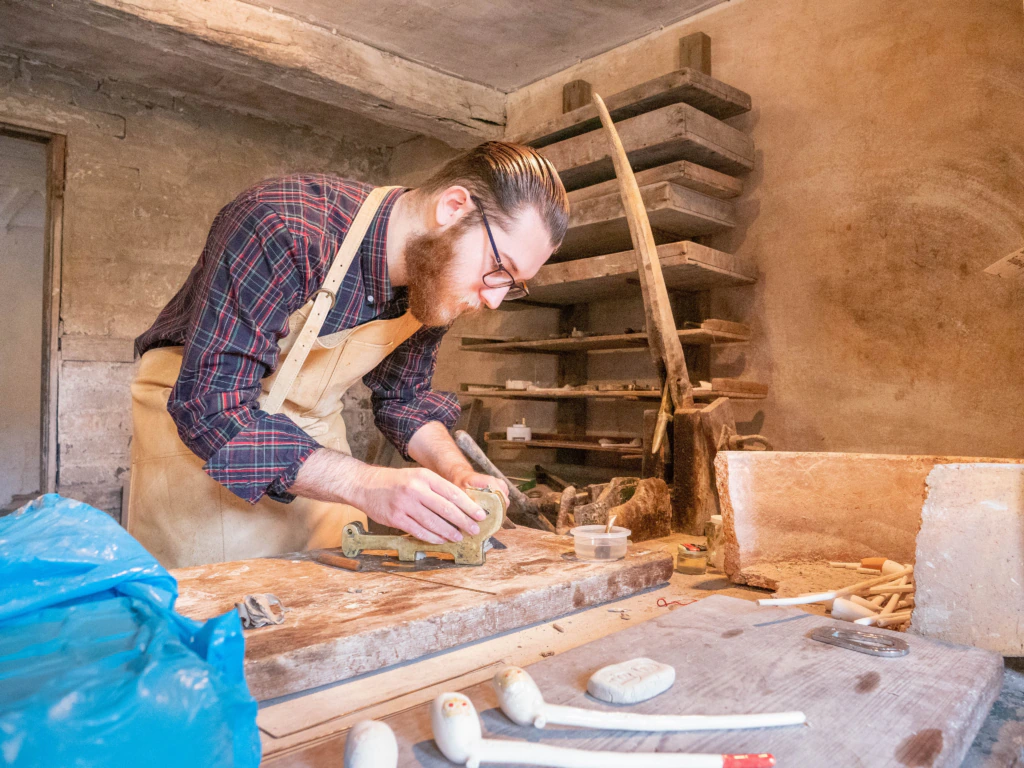
Throughout its history the trust has helped keep heritage crafts associated with industries in the Ironbridge Gorge alive, ensuring these traditional skills are not lost in time.
Clay pipe making is regularly practised at Broseley Pipeworks for visitors to see, but is in the critically endangered category on the Heritage Crafts Association’s Red List, which means it is considered at serious risk of no longer being practised in the UK.
Saggar making, slip casting, tin smithing, china flower making and letter press printing are among the other heritage crafts that have regularly been practised at Ironbridge. Over the decades, seeing craftspeople at work has helped bring the museum to life for visitors.
Ironbridge was inscribed as a Unesco World Heritage Site 40 years ago this year. What impact did this have?
In 1986 the trust played an instrumental role in helping secure Unesco World Heritage status for the Ironbridge Gorge, the first year in which UK sites were added to the World Heritage list.
This designation transformed how the gorge was perceived, strengthening its international profile, supporting investment in infrastructure, and reinforcing its identity as a place of global significance.
Forty years since being inscribed, Ironbridge’s story of industrial innovation continues to connect local heritage with global audiences, inspiring understanding of how this landscape helped shape the modern world.
Can you tell us about the contribution of the site’s volunteers and Friends?
IGMT owes its very existence to volunteers. Not least at Blists Hill, where it all began, and which would not have opened to the public in 1973 without the hard work and dedication of committed volunteers.
In the beginning it was local groups and individuals who shared their knowledge and enthusiasm gathering archives or clearing land.
As an independent charitable trust, Ironbridge has depended on volunteer support in almost every aspect of its activities over the years, on the ground and among its trustees.
Volunteers have continued to play an active role in the site’s activities. At the end of 2025, there were 283 active volunteers, and in that year alone volunteers gave over 17,000 hours of their time.
Volunteers have always shared a passion for Ironbridge’s sites, collections and stories, while benefiting from opportunities to learn new skills, share their expertise, and meet new people.
Thanks to the great wealth of the site’s stories and activities, they have enjoyed diverse roles including dressing in costume to bring to life the stories of Blists Hill Victorian Town, guiding visitors at Coalbrookdale and the Darby Houses, building and repairing steam-powered exhibits at Blists Hill and making textiles for museum displays.
The Friends of the Ironbridge Gorge Museum was founded in December 1968 by the early volunteers, with a clear purpose – to support the Trust through fundraising, subscriptions and hands-on volunteering.
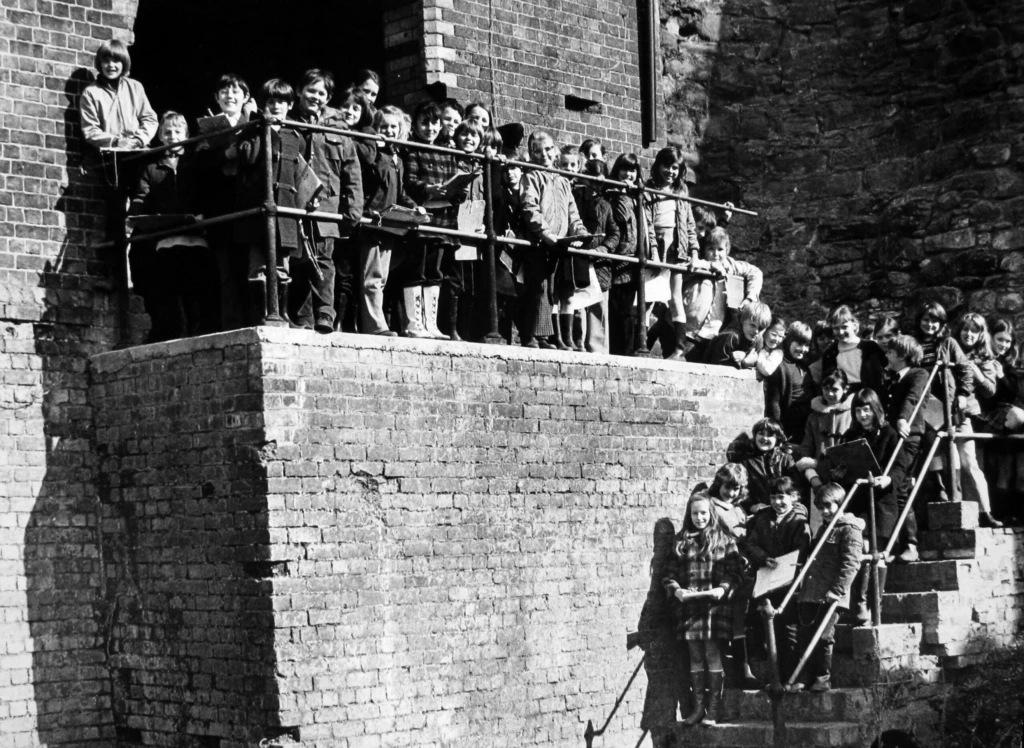
From the earliest days, they played an integral role in bringing the museum to life, helping establish the open air museum and supporting its day-to-day operations. This went from welcoming visitors and guiding tours to running stalls and catering on the sites, or arranging fundraising social activities. IGMT has been well served by the work of the Friends for over 50 years.
They grew into one of the largest Friends organisations outside London, and in the 1980s had branches in Birmingham and the capital. In 2016 their contribution and dedication was nationally recognised when they were awarded The Queen’s Award for Voluntary Service.
In 1978, and again in 2016, the Friends hosted the national conference of the British Association of Friends of Museums.
The Friends have remained a vibrant and dedicated part of the trust throughout its history, with some members supporting the organisation for more than 50 years.
Volunteering for Ironbridge began with the fledgling Friends organisation, and that spirit of voluntary work has continued to this day. Friends continue to give their time generously, volunteering as guides, engineers, crafters, researchers, and organising talks and events, contributing more than 1,500 volunteer hours in 2025 alone.
Passionate and proud advocates, they have raised over £1.5m to support the Trust in different ways, including purchasing Prince, the first horse at Blists Hill, purchasing important new acquisitions for the trust’s Nationally Designated Collections, and funding practical improvements across the sites, including new exhibits and permanent disabled toilets.
What challenges has Ironbridge faced in recent years?
Flooding (at Coalport China Museum and the Museum of the Gorge, but also in Coalbrookdale). The River Severn was essential to the development of industry in the gorge, but then and today it also poses great risks to the community.
Flooding has always occurred, but while it was once a periodic event it is now almost annual. At particular risk are the Museum of the Gorge and Coalport China Museum, located on the water’s edge.
As flooding has become more frequent, the trust has had to adapt, carefully considering how buildings are used and ensuring displays are above water level.
What’s changing about how the public engages with industrial heritage nowadays?
Industrial archaeology was recognised as a field in 1955 by architectural historian Michael Rix. He understood the importance of the traces that remained of Coalbrookdale’s industrial past.
Industrial archaeology has remained integral to the museum’s work and the museum has inspired the spread of the discipline elsewhere.
The industrial history of Britain is now a fundamental part of the heritage landscape, probably because it resonates with audiences from a wider range of backgrounds than the traditional heritage sector.
In a world increasingly dominated by the virtual, the opportunity to engage visitors with real experiences, sights, smells and sounds, to fully become part of the past is very special.
However, the temptation to stay at home and remain in the world created on screen (especially in view of the British weather!) is one of the main challenges to all the heritage industries, along with the serious economic implications of rising costs.
What are some of your fondest memories of working at the trust?
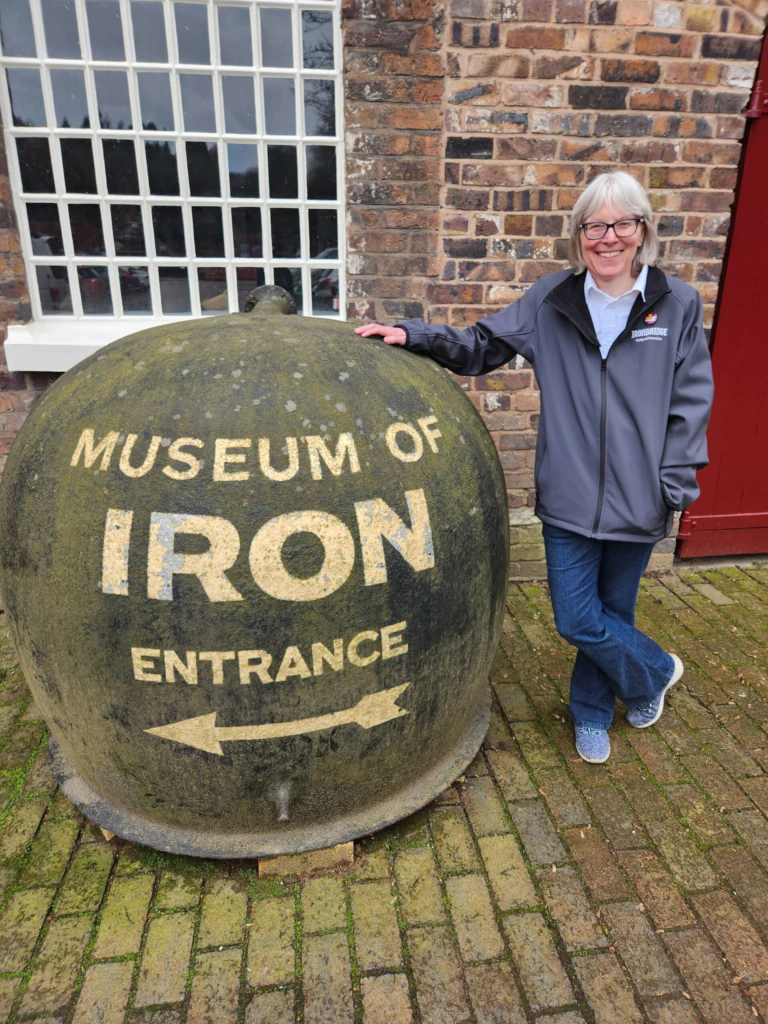
Jo Smith: The sense of everyone being part of a family, where everyone, no matter who they are, is referred to by their first name - this is how it started and how it remains today.
The Ironbridge spirit has always prevailed - in good times and bad: all hands on deck when required, no matter what time of the day or night.
No two days are ever the same.
The opportunities to be involved with so many different aspects of what IGMT does, for example being cast as extras for filming, meeting famous people who visit, officially and unofficially, appearing on TV or radio representing IGMT.
Learning new skills as part of your everyday job, even when working behind the scenes.
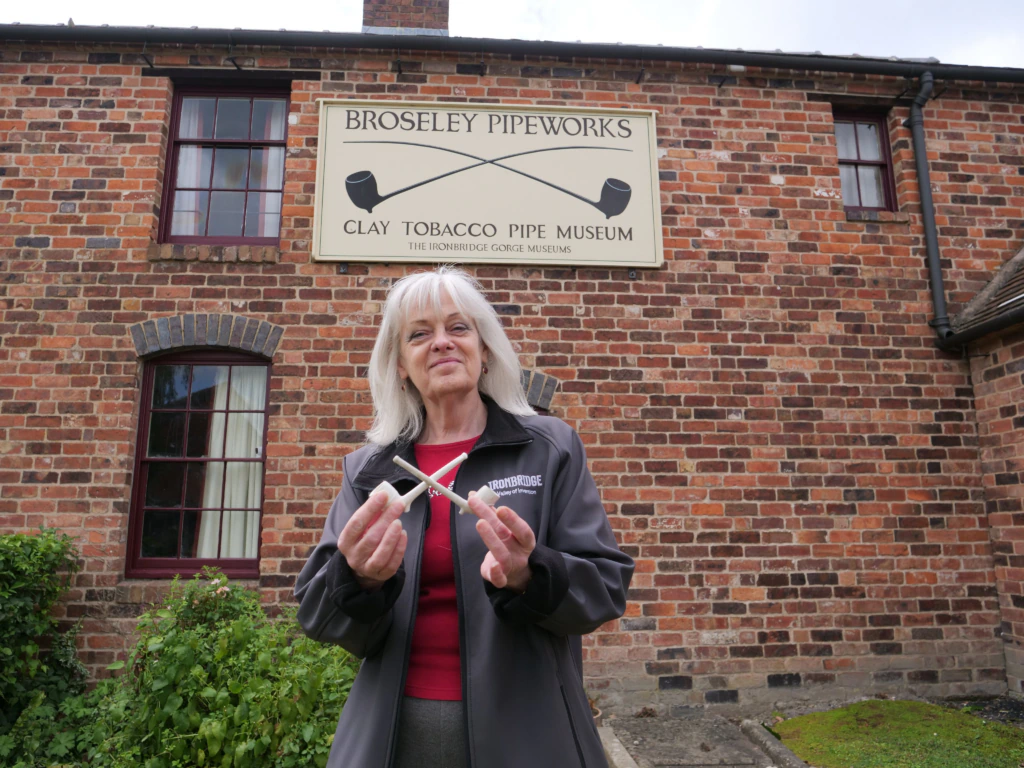
Kate Cadman: The wide range of the collections at Ironbridge has always filled me with joy, from seminal collections relating to the iron industry of the eighteenth and nineteenth centuries, designated collections of decorative art, social and local history, to the irresistible National Collection of Slag.
However, last year when we celebrated the 150th anniversary of the first crossing of the English Channel by local hero Captain Matthew Webb, even I was a little bemused by the press excitement at one of the exhibits – the very brief silk swimming trunks belonging to the gallant captain.
On another occasion, talking to a couple at Coalport China Museum, the husband was very interested in my increasingly in-depth information on the chemistry of ceramics, and spent some time with me before going up to the gallery to find the objects I had suggested that illustrated some of my points.
His wife came back to me and said he hadn't wanted to visit this site, as it would all be pretty china. He found that the story of the pretty china included technology, chemistry, political and social history, and some pretty amazing skills.
As an educational charity, I was always proud that we were able to encourage people to look more closely at items in their own surroundings, to illuminate the stories behind familiar objects, and elevate the everyday to the extraordinary.
A brief history of the Ironbridge Gorge Museum Trust
Since it was founded in 1967, the Ironbridge Gorge Museum Trust has built a national and international reputation as a pioneer in the heritage sector.
The trust has grown to play a defining role in the preservation and interpretation of Britain’s industrial heritage, caring for ten museums, 35 scheduled monuments and nationally designated collections of more than 400,000 items. Together, these safeguard the landscapes, buildings and objects that tell the story of the Ironbridge Gorge as a birthplace of the Industrial Revolution.
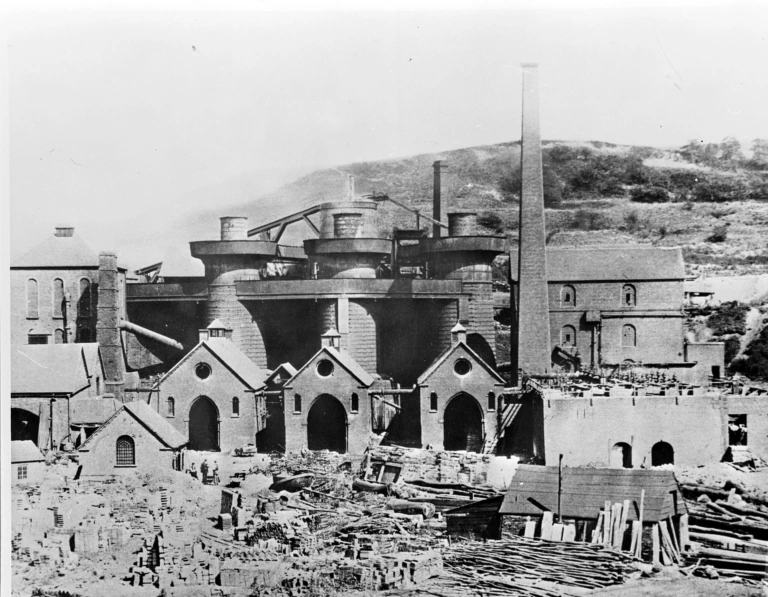
Anyone visiting Coalbrookdale in the post-war period would have found the Old Furnace, where Abraham Darby I perfected his world-changing iron-smelting technique, covered in rubble, ripe for demolition. This same neglect was true of many of the Ironbridge Gorge’s other historic monuments, which lay forgotten.
The significance of Coalbrookdale and the Ironbridge Gorge was recognised by Allied Ironfounders (successors to the Coalbrookdale Company), who opened a museum on the site in 1959. In parallel there was growing interest from historians such as the Quaker Dr Arthur Raistrick, members of the Darby family and local historians and archivists in seeing the physical remains of early industrialisation preserved.
When the government confirmed a new town in the area in 1963, named Dawley (later renamed Telford), the area’s historic buildings and monuments were an integral part.
From the outset Dawley (later Telford) Development Corporation recognised that what existed in the Gorge set it apart from other new towns but also presented challenges given the scale of the monuments and sites and their poor condition.
It commissioned a review into the proposals for the New Town in which the way the historic sites would be dealt with formed a major part. The outcome was the idea of treating the Gorge as an open air museum devoted to industrial buildings and structures.
Whilst the key monuments would be preserved in situ in the Gorge, Blists Hill in Madeley was seen as the place where the social impact of industrialisation could be presented by creating a typical town of the East Shropshire coalfield at the turn of the 19th century. This would be achieved by adding to the remains of blast furnaces, brick and tile works, a canal and incline with buildings moved from other locations or recreated based on the local vernacular.
The Ironbridge Gorge Museum Trust was founded in 1967. In the early days, the Trust was run by Directors and Trustees, who were all volunteers. Members of the team worked fulltime jobs by day and volunteered on evenings and weekends.
In 1969, they launched an appeal to raise £1million of funding, and later, in 1971, they set up an innovative Development Trust to raise money for their activities.
By 1969 the first employees were being recruited. Neil Cossons was appointed Museum Director in 1971. He was passionate about the project, which he described as “a sort of national park of industrial archaeology”, and wanted to communicate the international significance of the Gorge as the birthplace of the Industrial Revolution. He intended to open Blists Hill in 1973, and succeeded.
From: Ironbridge Gorge Museum Trust – Brief History, by Stuart B Smith, 1989. In: Raistrick, A. (ed.) Dynasty of Iron Founders