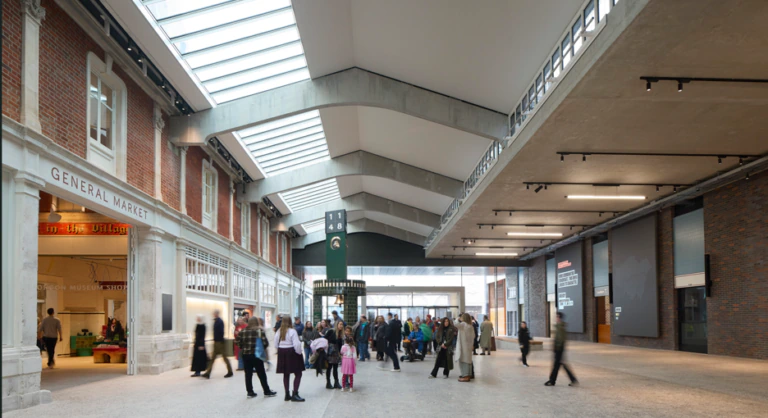
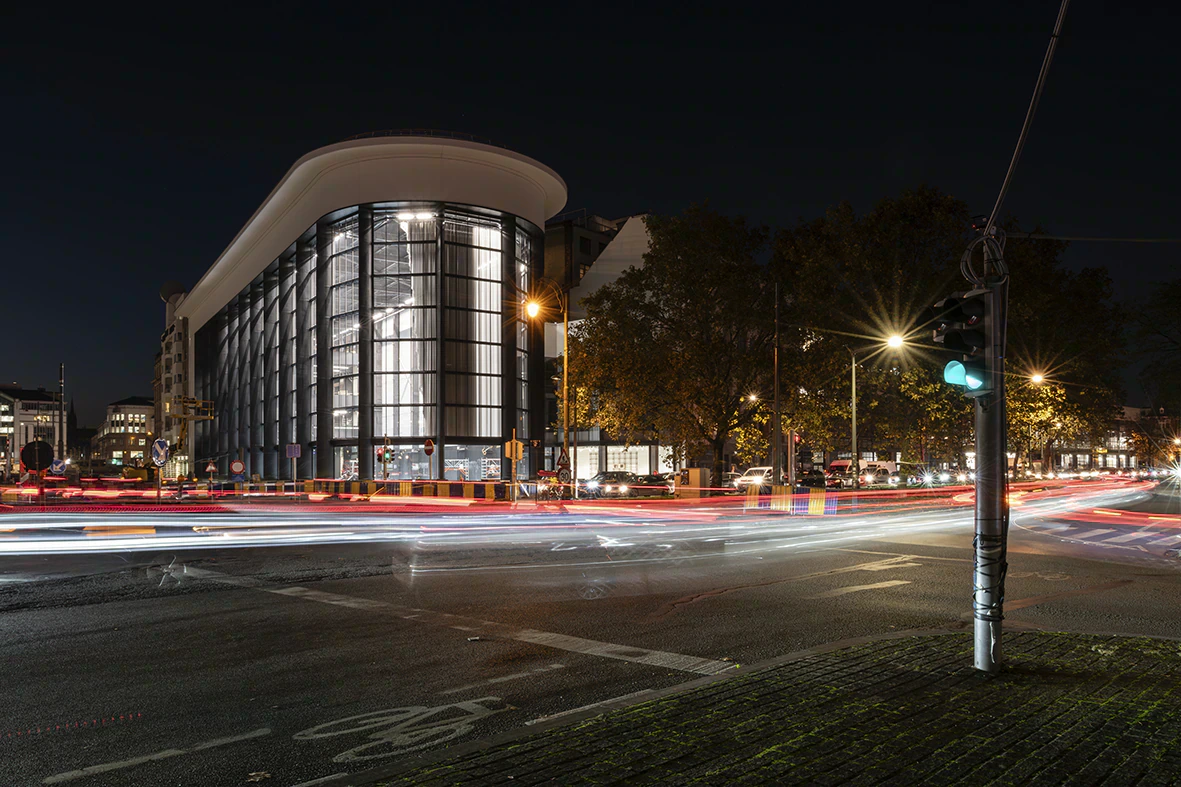
The Kanal arts centre in Brussels has a lot in common with the new London Museum – both open on 28 November in repurposed buildings, both have four public entrances across their huge sites and both cost huge amounts to develop.
But Kanal, which is housed in a vast former Citroën garage, has a very different focus than the £437m London museum. The Brussels venue, which covers a whopping 40,000 sq metres and cost €230m, is a modern and contemporary art museum with a collection of under 150 works, while the London Museum cares for more than seven million objects.
Kanal, which also has a focus on architecture, is five years into a 10-year partnership with the Pompidou Centre in Paris, which is closed for renovation until 2030.
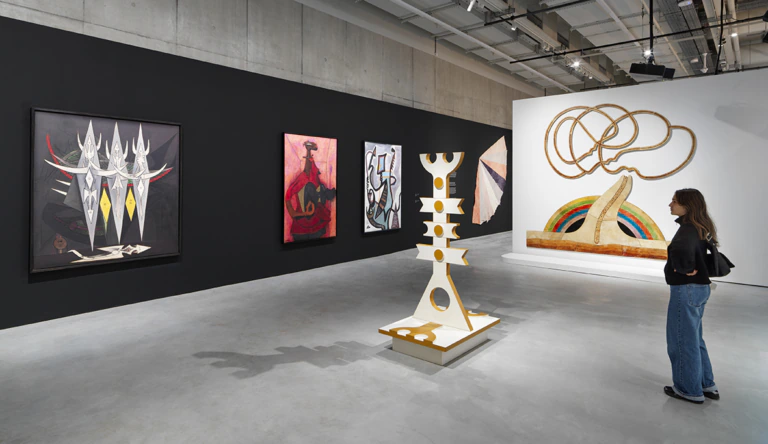
The Pompidou has loaned more than 350 artworks for one of the Brussels museum’s 10 opening exhibitions – A Truly Immense Journey, which also includes items from the Kanal collection and Belgian and international public and private collections.
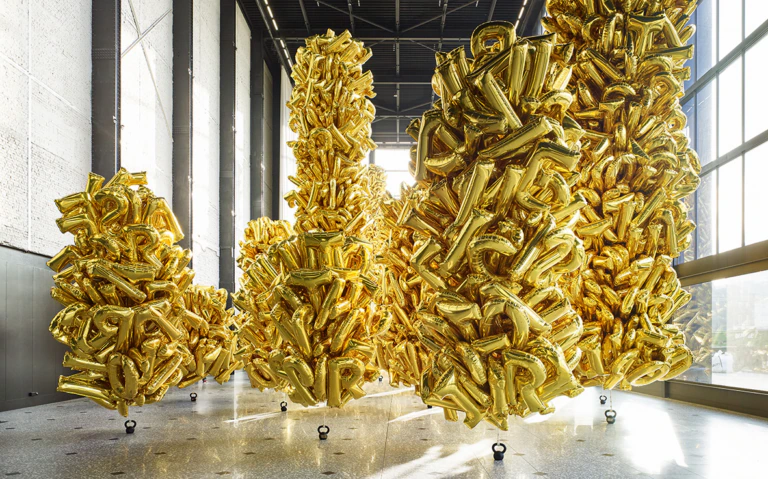
Other opening exhibitions at Kanal include an installation featuring the Universal Declaration of Human Rights spelled out in bouquets of gold letter balloons by Banu Cennetoğlu, an artist who lives and works in Istanbul. There is also No Show, which is the result of artist duo Deborah Bowmann and musician Maoupa Mazzocchetti working with 20 Brussels-based artists. This exhibition sees art, light, sound and live performance used to create an immersive experience across five rooms.
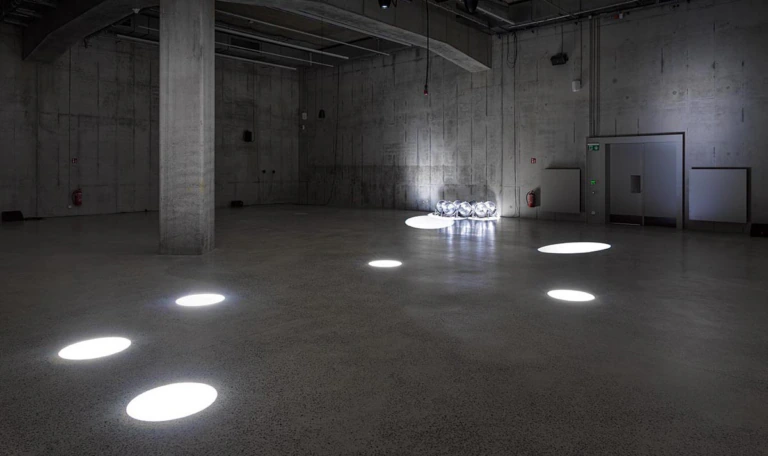
The exhibition spaces at Kanal cover 20,000 sq metres and include a huge basement area. This currently houses an installation by Belgian artist Joëlle Tuerlinckx who spent two years following the development of the underground exhibition space, from pumping groundwater into the canal to the construction of the gallery walls.
Advertisement
The other half of the museum includes a rooftop terrace, bookshop, library, community and workshop spaces, and an indoor playground. There is also a rooftop bar, restaurant, brasserie, in-house bakery and shop.
Kanal was largely funded by the Brussels-Capital Region, and the city’s authorities are hoping it will have a big impact on tourism. But the museum is already facing financial challenges, with reports that its annual budget is to be cut.
It was also announced in May that its CEO, Yves Goldstein, who has been with Kanal for a decade, would be leaving. Goldstein’s last day will be on 30 November and his replacement has yet to be found.
Despite his departure, Goldstein is excited about what Kanal will offer the capital of Belgium and what he has achieved in the decade he has spent developing the venue.
“We are creating a museum to answer this incredible paradox that Brussels, for decades, has been seen as one of the main and most innovative artistic places, with an ecosystem that is incredible, with schools, artists, art centres, collectors and galleries, but without any museum of modern and contemporary art,” Goldstein said.
“We wanted to create a place where people that never enter into a museum will find a place where art can play a real role in our society. We are not creating this project for the usual suspect art lover. They will come – this is not complicated. What is complicated is how to get a people into a museum that think that art has nothing to do with them.”
Advertisement
Goldstein said he has appointed nearly 100 mediators who will help visitors understand and enjoy the art. He is also keen to make it an experience that does not rely on technology.
“You won't see any QR codes in any exhibition at Kanal,” Goldstein said. “But you will see people, who will come to you to explain the art, to break this idea that contemporary art is only available for a few people in our society. Mediation is at the heart of this project.
“And I have tried to also create a kind of AI-free museum," Goldstein continued. "My conviction is clear – AI is the enemy of the creation."
The main sponsors of the Kanal are construction firm BPC Group; CIT Blaton, another building company; Bloomberg Philanthropies, founded by Mike Bloomberg of the global financial technology, data and media company; financial services firm ING; Flemish brewery Duvel; and the Ice Watch brand.
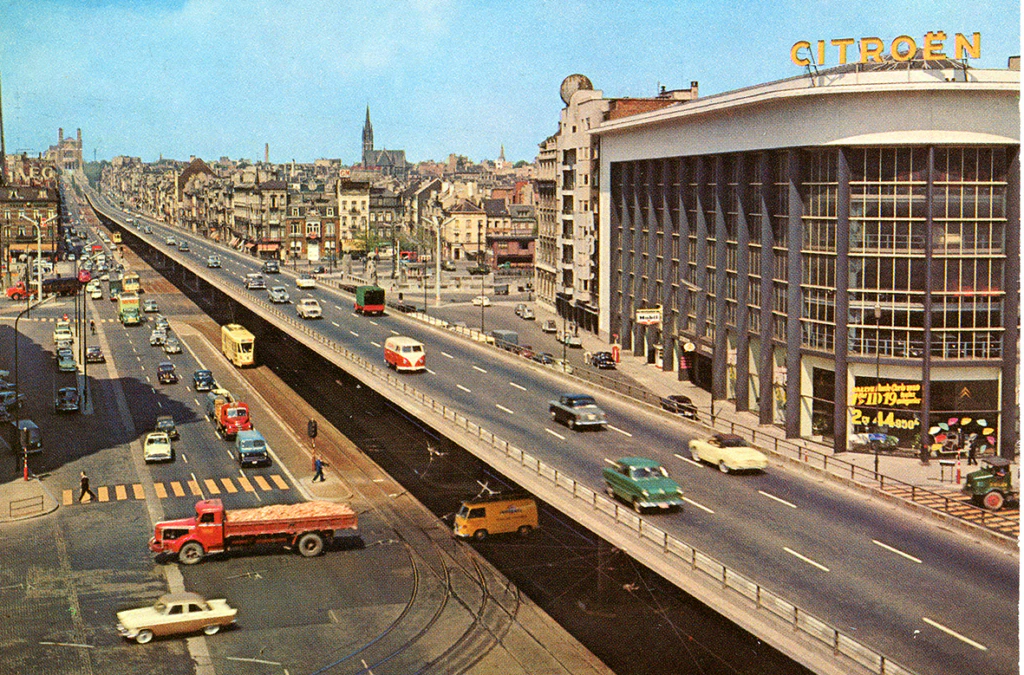
Kanal is on the banks of the Charleroi-Brussels Canal in the former Citroën garage, which was built in 1933-34.
The new museum was designed by a consortium formed of three architectural practices – EM2N (Zurich), noAarchitecten (Brussels) and Sergison Bates architects (London).