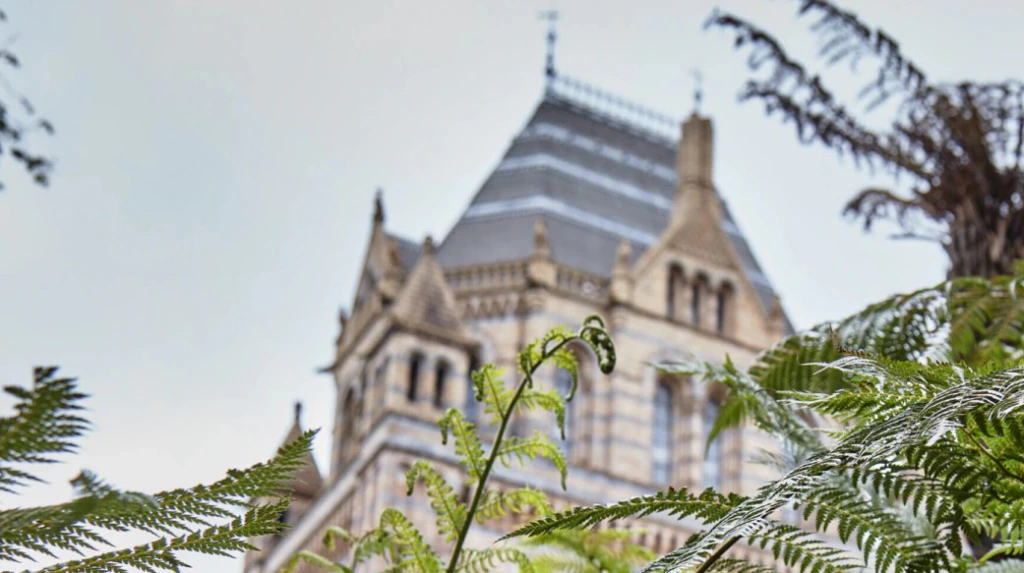
Free-to-enter museums and galleries across England will benefit from significant reductions in their business rates valuations following a landmark legal case won by London’s Natural History Museum earlier this year.
In an update to sector stakeholders, the Department for Digital, Culture, Media and Sport (DCMS) confirmed that the Valuation Office (VO) would no longer use a notional receipts approach to value free-to-enter museums for business rates purposes.
The change follows the outcome of a tribunal brought by the Natural History Museum against the VO.
The tribunal accepted the argument that the museum operates at a loss to preserve collections and remain open to the public, and should not be valued as though it were a profitable commercial property because no commercial tenant would take on such a letting.
Previously, the VO had used the receipts and expenditure method to estimate museums’ rateable values, analysing their income and expenditure. For free-to-enter museums with limited income beyond external funding, this included calculating “notional receipts” based on a potential admission charge and visitor numbers.
The approach was based on earlier Upper Tribunal decisions concerning museums. However, following the latest tribunal ruling, the VO will no longer use notional receipts to value museums and galleries where the method has been applied.
Advertisement
The VO was previously a separate government agency but was integrated into HM Revenue and Customs (HMRC) in April. An HMRC spokesman said: “A Valuation Tribunal decision on the National History Museum, which is free-to-enter, did not approve of the use of notional receipts in calculating its rateable value. This represents a change in rating case law which we must reflect across the museums and art galleries sector for properties where notional receipts have been used in the property’s assessment.
“Therefore, we will cease using ‘notional receipts’ for museums and art galleries, and consider only the actual receipts.”
Following the change, the VO is reviewing assessments that are currently valued as museums and art galleries, and will amend both the 2023 and 2026 rating lists by 31 March 2027. For the 2023 list, any resulting changes will apply from 1 April 2023.
The HMRC spokesman said: “The amendments will be communicated to the local council who will then be responsible for recalculating bills. The VO will contact individual ratepayers if their rateable value is amended.”
Museums that have already contacted the VO via the Check, Challenge and Appeal process (CCA) will be contacted through the CCA system as part of the review, the spokesman said.
The 2026 Rating List contains 1,165 museum and gallery properties with a combined rateable value of approximately £135m. DCMS expects the aggregate rateable value of the sector to fall significantly as a result of the change.
Advertisement
However, the impact on actual business rates liabilities will be smaller than the headline figure suggests, as many affected properties already benefit from charitable relief or discretionary relief granted by their local council.
And although many museums are likely to see their rateable value fall to £1, HMRC said some would retain a higher valuation where their receipts and expenditure showed a surplus. It said the VO will also use reliable rental evidence where available, which it considers the most accurate indicator of a property's rateable value.
DCMS said the change would nevertheless deliver meaningful savings for many free-to-enter museums and galleries.
The department acknowledged that museums had raised concerns about their business rates valuations over several years, and said the tribunal case had secured the clear precedent necessary to bring about the change.
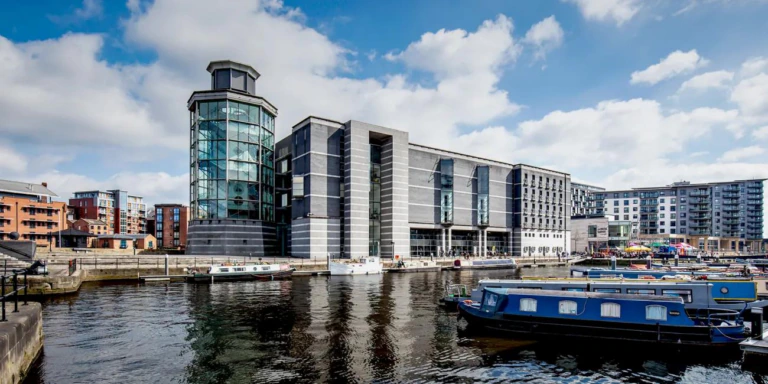
The Natural History Museum was the first national museum to win a business rates tribunal, following earlier legal victories by three regional institutions: Exeter’s Royal Albert Memorial Museum, Tyne and Wear Archives and Museums (now North East Museums), and York Museum and Gallery Trust.
Sector reaction
The announcement has been welcomed by museum sector bodies.
Advertisement
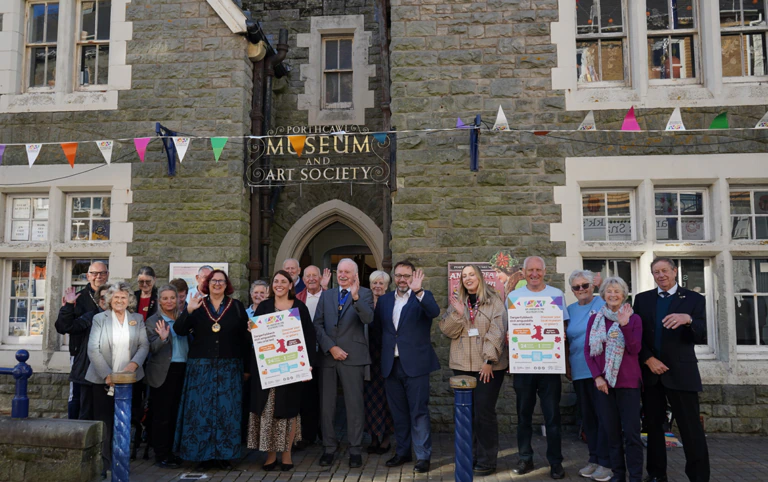
Sharon Heal, the director of the Museums Association (MA), said: “We’re delighted by this decision, which reflects that museums are not profitable commercial properties.
“The MA has been working with other sector bodies to call for a fair and consistent business rates system for museums so we warmly welcome this change which will result in significant savings for free-to-enter museums in England at a time when many are facing financial challenges.”
Emmie Kell, the director of museums and cultural property at Arts Council England, said she was “delighted to see this positive development for museums and galleries across England”.
“The VO has confirmed a significant change to the way free-to-enter museums are valued for business rates purposes,” Kell said.
“For many organisations, this will reduce rateable values substantially and create welcome savings at a time when financial resilience remains a major challenge for the sector.
“Museums have been raising concerns about this issue for many years, so it’s encouraging to see a solution emerge through government action following the Natural History Museum tribunal case. Thank you to colleagues across government for responding positively to this long-standing sector concern.
“This is a practical intervention that will help museums direct more of their resources towards serving communities, caring for collections and inspiring future generations.”
Lisa Ollerhead, the director of the Association of Independent Museums, said the change in approach was “a massive and important step that will free up so much money that’s been circling for years between museums, councils, public funders, and tribunals”.
However she cautioned that the news “isn’t necessarily a total victory”, saying the new approach should be extended to charging museums as well.
“We’re looking at what it means for the sector generally,” said Ollerhead. “But it is a major acknowledgement that, for ratings purposes, museums aren’t in it to make money, and that counts for ones that meet their public purposes through operating models that feature charging as well as those that don’t.”