The National Gallery has outlined its plans to acquire a “world-class collection of 20th- and 21st-century paintings” and build a new wing to house the expanded collection.
The gallery published two significant documents last week setting out its future plans: a new 10-year strategy, entitled Home to the Story of Painting, and a vision for the museum created by members of its Citizens’ Assembly, who are calling for the institution to be more inclusive and nationally accessible (see below).
The new strategy comes after the institution confirmed last year that its collecting remit would be formally extended beyond its traditional 1901 cut-off point to include modern and contemporary art.
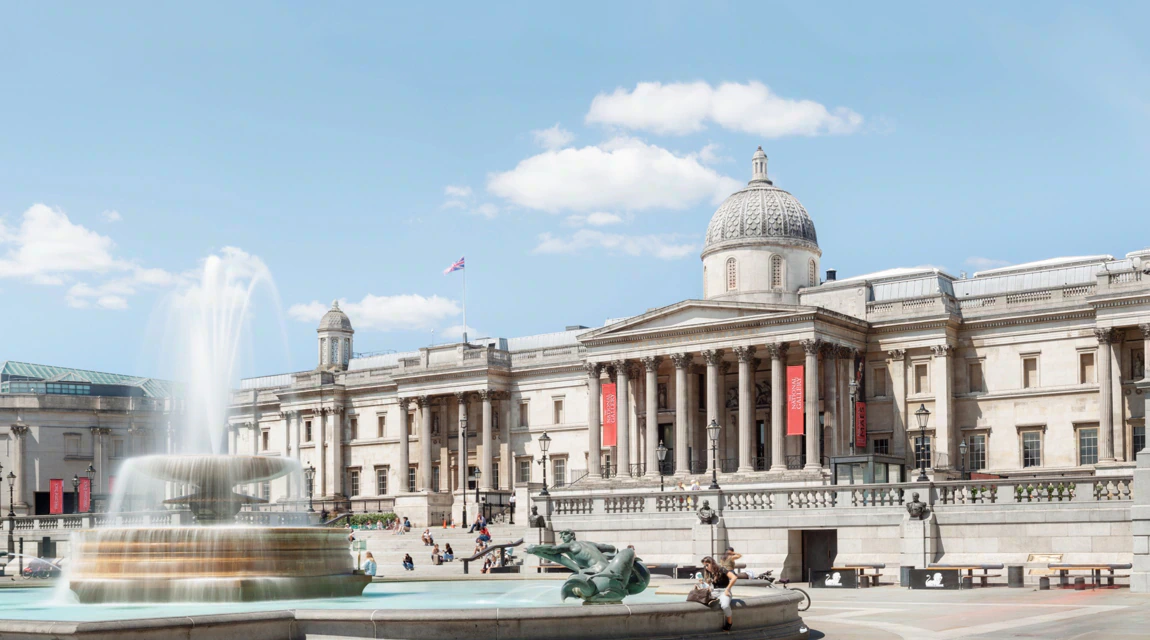
The new strategy provides more detail on how the gallery’s collection policy will change, as well as outlining its plans to undertake a major transformation of its Trafalgar Square site.
The document, which covers 2026–2036, sets out four principal ambitions: to expand the collection "so the gallery is home to the story of painting"; to reimagine the gallery as a museum of the future; to inspire audiences as "the most engaging gallery in the world"; and to drive innovative research so the gallery is established as a world leader in research on painting.
The strategy makes the development of a modern and contemporary collection a central priority, which it says will be achieved through a mix of purchases, loans, gifts and bequests.
Advertisement
Alongside this, "exhibitions and public programmes will embrace modern and contemporary art to a greater extent", the strategy says.
Although the institution does already have a number of post-1901 works, its traditional focus has been on Western painting from the medieval period to around 1900, while modern and contemporary art has largely fallen within Tate's remit.
By extending its remit, the gallery says it hopes to boost representation of “previously unrepresented artistic styles, movements and painters”, as well as diversifying its collection in areas like chronology, heritage, gender and geography.
"This expansion is fundamental to our ambition to strengthen connections between art, artists and the public, enabling richer and more comprehensive narratives, building new audience experiences, and expanding the horizons of our research," the strategy says.
It adds that the gallery will "evolve collection care and conservation with the new knowledge and skills required to care for the nation’s paintings".
The policy change is part of Project Domani, a landmark £750m masterplan announced as the gallery came to the end of its bicentenary year in 2024-25.
Advertisement
New wing
In tandem with the gallery’s new collection policy, Project Domani will also see the construction of a new wing on the site of the current St Vincent House, between Leicester Square and Trafalgar Square.
Designed by Kengo Kuma and Associates with BDP and MICA, the building is scheduled to open in the early 2030s and house paintings dating from the late 19th century to the present day.
According to the strategy, the development will also create new public space around the gallery, including improvements to Jubilee Walk and Saint Martin's Street, while the new wing will link Leicester Square and Trafalgar Square.
The project builds on previous work to mark the gallery’s bicentenary celebrations, which included the redevelopment of the Sainsbury Wing entrance and the opening of the Roden Centre for Creative Learning.
The gallery also plans to open a new research centre in 2028, which will act as a hub for a “thought leadership [and] a dynamic, multi-disciplinary research community”.
Advertisement
Alongside its established focus on art history, conservation and heritage science, the gallery will broaden its research to encompass artistic practice, digital, museological and pedagogical investigations.
It also plans to expand its programme of international conferences and other events, as well as developing research partnerships with universities and new opportunities for postgraduate teaching.
New audiences
The strategy sets out ambitions to strengthen the gallery's presence beyond London, building on partnerships with museums and arts organisations across the UK that have grown over the past decade, particularly during the bicentenary.
Internationally, it plans to develop a more ambitious programme and make greater use of its global profile, partnerships and commercial opportunities.
The institution says it wants to take a more audience-centred approach, using audience research and customer relationship management (CRM) to develop longer-term relationships with visitors and offer more personalised experiences.
AI and other developing technologies are identified as opportunities to improve the visitor experience, use data in new ways, increase efficiency and generate revenue.
The gallery says it will also build on the Roden Centre for Creative Learning, with new provision for families and schools and a revitalised programme of public events for adults and members.
A series of public consultation events on the new strategy will take place at the gallery this week, from 19-21 November.
Citizens’ Assembly shares vision for National Gallery
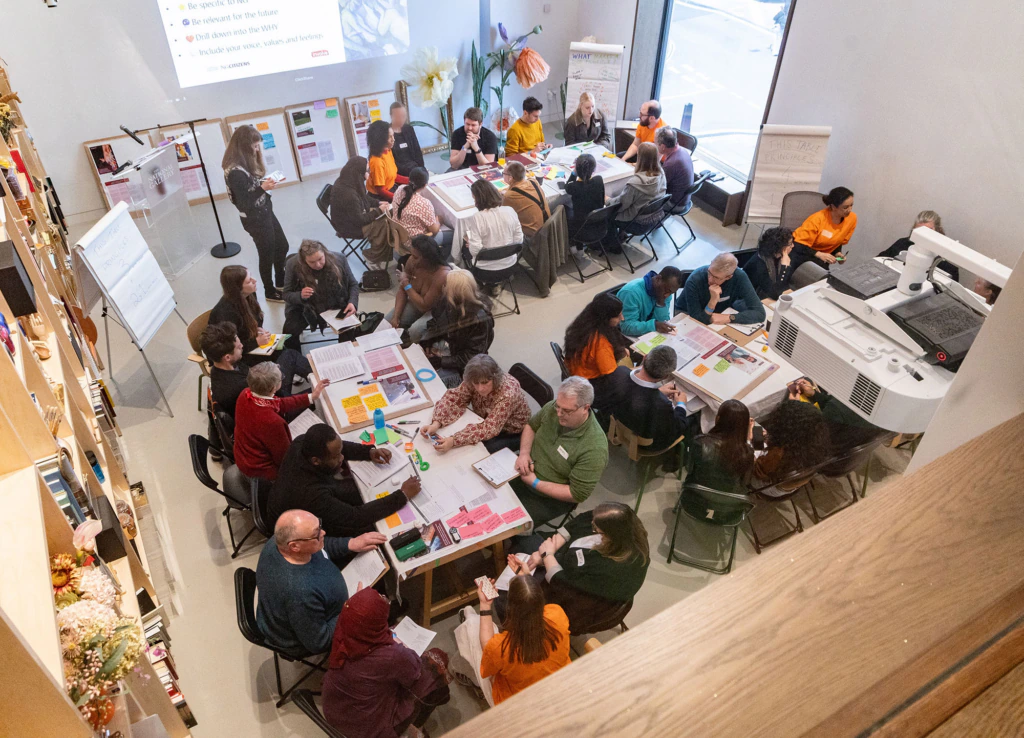
The gallery has also revealed the vision set out by its Citizens’ Assembly for the future of the London museum.
The 50 participants, who took part in NG Citizens between November 2025 and March 2026, were selected by a civic lottery. Invitations were sent to 15,000 households across the UK, with the final group designed to reflect the wide diversity of the UK - including individuals who had never engaged with the gallery before.
The NG Citizens’ vision statement, contained in a report, says that: “The UK’s National Gallery belongs to the nation and welcomes everyone free of charge. The collection, through unique experiences of storytelling and human connection, is relevant to all ages.
“The gallery provides spaces for all people to engage with the paintings in a variety of ways, including new technologies. Through regional partnerships, digital access, and public decision making, the collection reaches the whole nation.
“The gallery is inclusive and represents all of us; a place where people feel a sense of belonging, connection and inspiration,” the vision statement concludes.
NG Citizens was announced in July 2025 and built on the pioneering work of regional initiatives such as Birmingham Museums Trust’s Citizens’ Jury.
Participants were brought together across five sessions to learn, deliberate and build shared ideas for the future of the National Gallery. This was first time most assembly members had visited or engaged with the museum and its programmes.
They collectively responded to the overarching question posed by the National Gallery: What do you want from the UK’s National Gallery? How can it bring people and paintings together in authentic and meaningful ways, now and for the future?
The Assembly Members gave their time, insight and creativity to support the National Gallery in shaping its programmes and priorities around the needs and aspirations of UK Citizens.
The vision and principles developed by NG Citizens will help inform the delivery of the National Gallery’s audience strategy. They have been presented to the gallery’s director Gabriele Finaldi, the executive committee and all staff.
The National Gallery will continue to be in dialogue with assembly members through a Citizens’ Panel. Over the next four years, a series of smaller panels, made up of assembly members, will work directly with the gallery to oversee the implementation of these ideas.