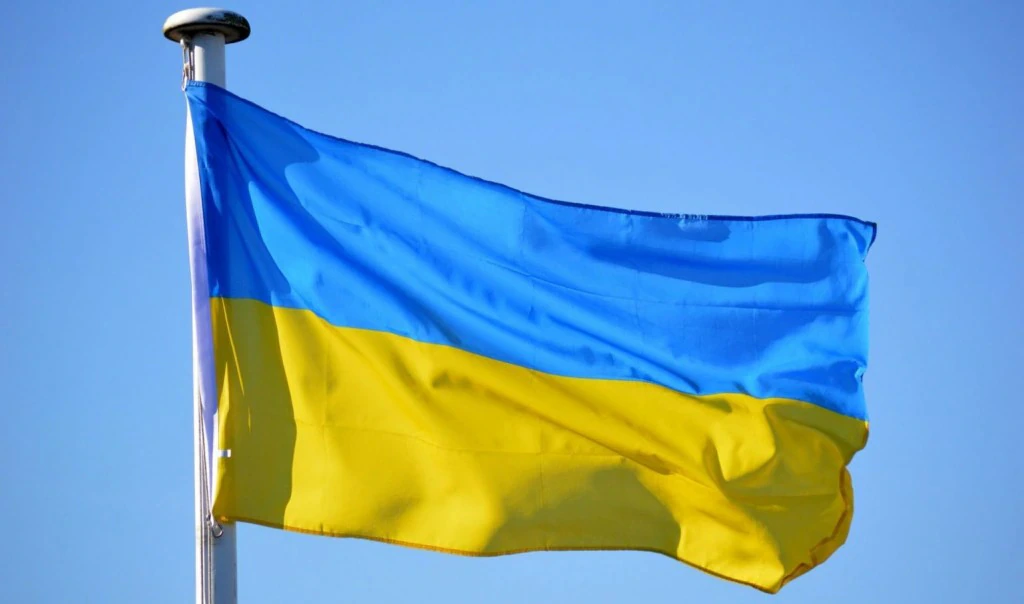
Ukrainian and international museum professionals came together last month to celebrate the launch of the Ukrainian translation of Supporting Decolonisation in Museums: Focus on Ukraine.
The guide was originally published last year with the aim of helping museums in the UK and around the world interpret Ukrainian cultural heritage in their collections through a decolonial lens.
It was created as part of a partnership project initiated by the Ukrainian Institute in collaboration with the International Council of Museums (Icom) UK, Icom Ukraine and the Museums Association, with the support of the British Council.
The guide operates as a practical tool to support museum professionals and cultural heritage practitioners to include Ukraine in their decolonisation practices and counter “harmful narratives, stereotypes and distorted representations of Ukrainian culture and heritage”.
A Ukrainian-language version of the guide was launched at the special event in Kyiv on 18 June, where attendees were invited to reflect on the role of museums, galleries, archives, libraries and other memory institutions in fostering a “more accurate, inclusive and responsible” representation of Ukraine’s cultural heritage.
The presentation saw participants discuss the practical experience of Ukrainian and British experts, and explore how to apply decolonisation approaches in working with collections, build international collaboration, and engage with audiences.
Advertisement
The event also provided a platform for professional exchange and a discussion of the tools and resources needed by the cultural heritage sector.
“By bringing together the perspectives of international experts, the guide positions Ukraine in solidarity with a global network of decolonisation struggles,” said a statement from the partnership after the event.
“It provides both contextual information about Ukraine and practical case studies and resources. It also addresses questions increasingly faced by memory institutions: how to identify Ukrainian cultural heritage, what terminology and labelling to use, how to work with contested heritage and how to build more accurate and nuanced narratives for audiences.
“The publication of the Ukrainian version is an important step towards broadening this discussion within Ukraine and supporting the practical application of the proposed approaches by Ukrainian cultural institutions.”
The Ukrainian version of the guide is available to download free of charge from the websites of all project partners.
Volodymyr Sheiko, the director general of the Ukrainian Institute, said: “The Decolonisation Guide for museums, initiated by the Ukrainian Institute, is the result of long-term cooperation between Ukrainian and British partners, as well as experts from different countries.
Advertisement
“It is not simply a set of recommendations but a practical tool that helps museums and archives systematically review their approaches to representing Ukrainian art – from object descriptions to curatorial narratives and the principles of researching museum collections.
“The guide offers concrete solutions that support a move away from colonial perspectives and help shape a more accurate and fairer image of Ukraine globally. Its publication in Ukrainian opens up new opportunities for engagement between museums within the country and for joint work on implementing decolonisation practices.”
Icom’s president, Antonio Rodríguez, said: “The Ukrainian translation of Supporting Decolonisation in Museums: Focus on Ukraine is a truly exciting milestone, and it is great to see this important work reaching even wider audiences at such a meaningful time.”
Rodríguez said the guide was a “remarkable work of co-creation and international collaboration”.
He added: “Effective partnerships between Icom bodies have always been something I deeply value, especially when they are amplified through strategic alliances with organisations like the Ukrainian Institute, the Museums Association and the British Council.
“You are setting a wonderful example of what our global museum community can achieve when working together. Thank you for your leadership in support of Ukraine.”