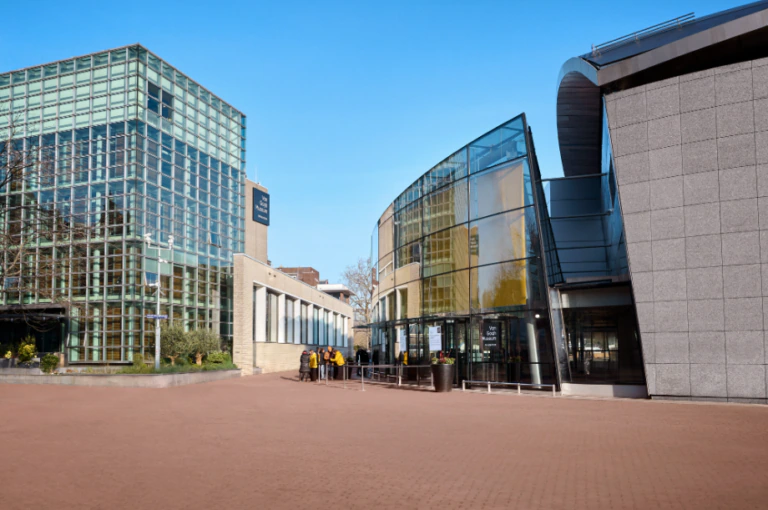
The National Trust has been given a huge boost by the largest donation in the trust’s 131-year history.
The £10m from philanthropist Humphrey Battcock is unusual in that it is unrestricted, meaning that the conservation charity can spend the money on what it wants. The news came as the organisation announced its plans for 2026.
Battcock, who has worked in private equity for more than 30 years, said: “The National Trust represents what is best about our society, preserving our shared heritage for all the people. For over 130 years, it has been at the vanguard of progress for the United Kingdom. Its deep commitment to sustainability and to providing access for more people resonates with the values of its founders and reminds us of what is special about our country.
“In making this donation, I want to emphasise that it is unrestricted; I will have no say over how the charity spends it – and that is because I trust the National Trust to know how best this money can be used.”
National Trust director-general Hilary McGrady said: “This gift is a huge boost for the National Trust – both because of the vital work it will fund and because of the faith Humphrey has shown in our approach by making it unrestricted. We believe the challenges we're setting out to tackle through our new strategy will define our generation: we must halt the freefall decline in nature before it becomes irreversible; end unequal access to nature, beauty and history; and inspire millions more people to care for the world around them.”
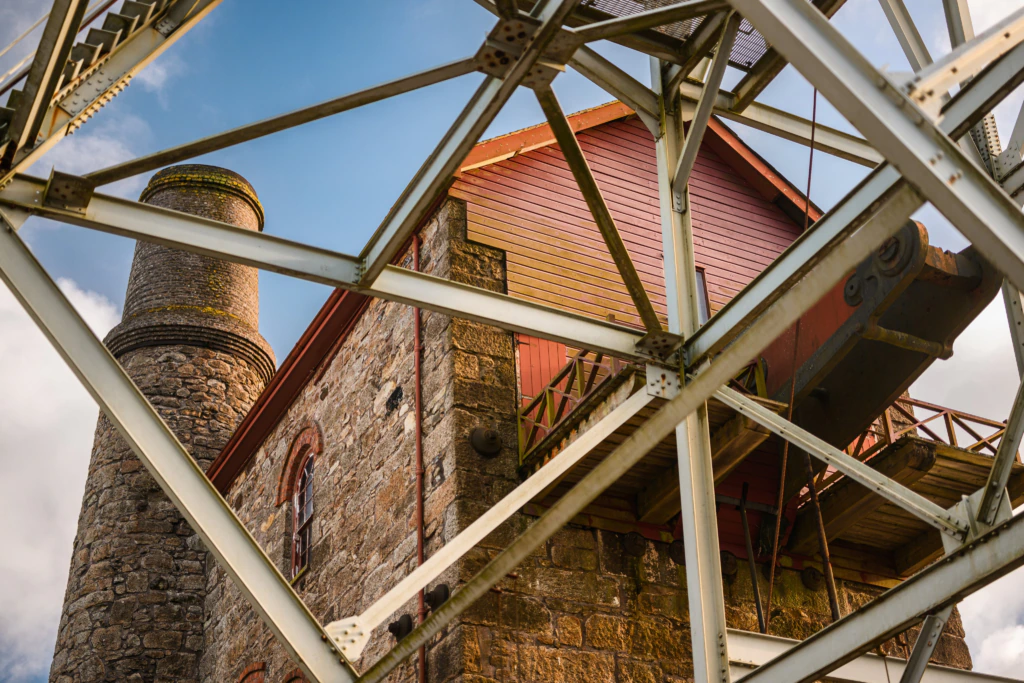
The trust also announced plans to manage Heartlands in Cornwall. The site is home to Robinson's Engine House and is a gateway to the 10 dispersed mining districts that make up the Cornwall and West Devon Mining World Heritage Site, the UK's largest industrial World Heritage Site.
This acquisition follows last year’s announcement that the National Trust is acquiring the Ironbridge Gorge museums in Shropshire, part of another Unesco World Heritage site.
Advertisement
The year’s National Trust plans build on its 10-year strategy, which was launched last year. As part of this the organisation pledged to address what it describes as a “catastrophic decline in nature” by creating 250,000 hectares of nature-rich landscapes. The charity also announced its ambition to increase people’s access to nature and cultural heritage.
This year the exhibition How Did We Get Here? (14 February to 27 September) at Kedleston Hall, Derbyshire, will tell stories about the journeys taken by objects, people and organisations. Members of the Tibetan community living in Britain have worked in partnership with the trust on this exhibition, which will include films and personal stories, as well as Tibetan artefacts from the Kedleston Museum collection.
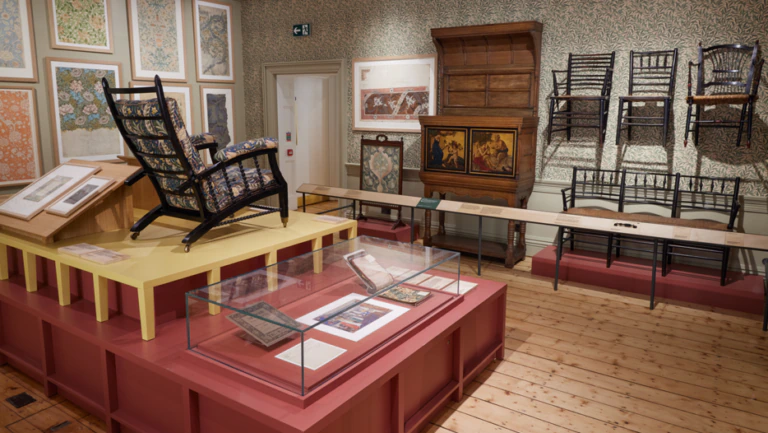
The trust is holding three textiles exhibitions in 2026, which will run concurrently from May at Dyrham Park in Gloucestershire, Osterley Park and House in London, and Blickling Estate in Norfolk. The trust is partnering with collector, author and curator Karun Thakar to present these historic houses's interiors in a new light, offering visitors the chance to discover global textile traditions and histories of cultural exchange.
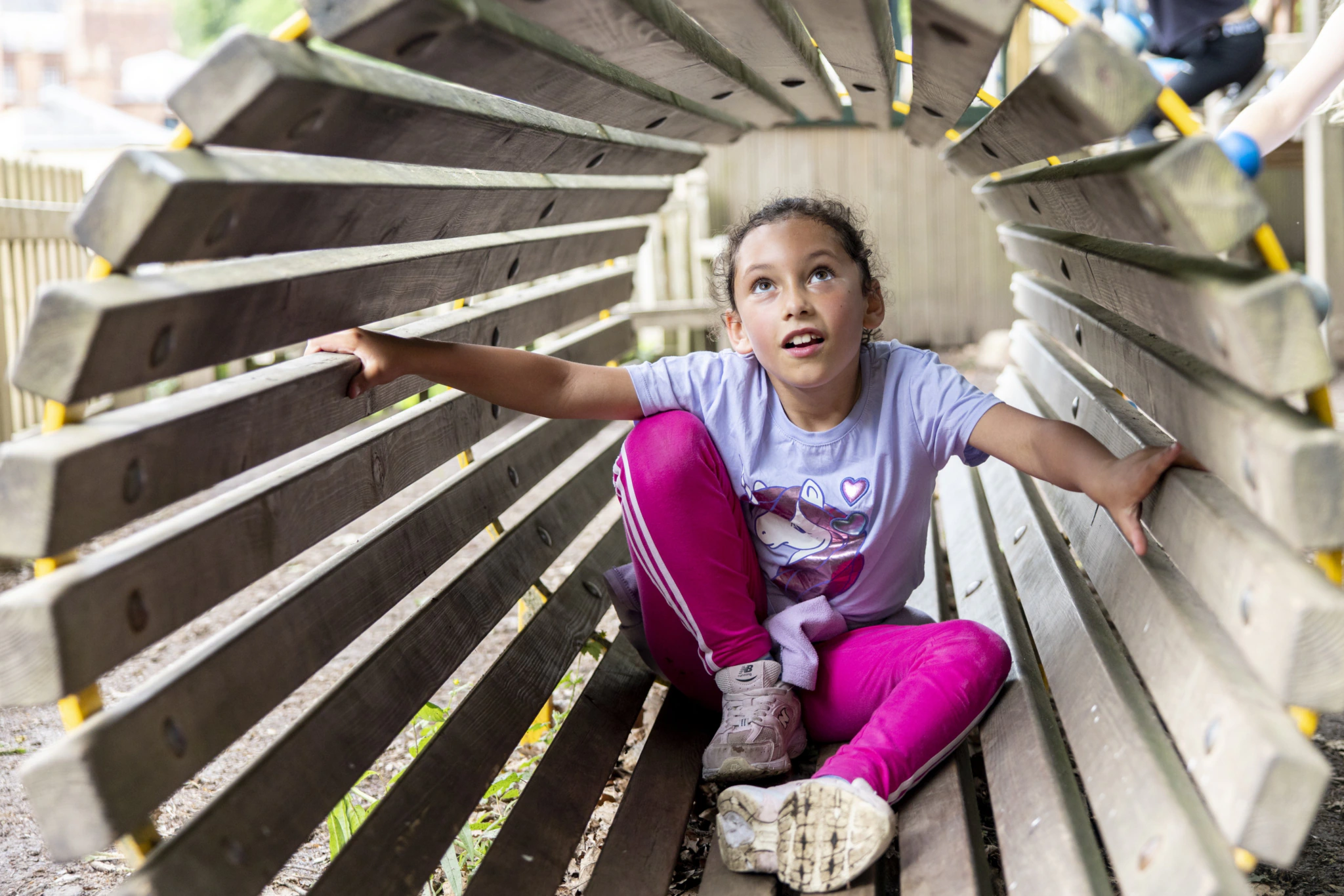
The trust has also teamed with Disney and Pixar to promote a film called Hoppers. This collaboration will include a story‑led trail inspired by the film that will encourage children aged 6-11 to explore nature.
The National Trust, which was founded in 1895, has more than 5.3 million members and received 26 million visitors to its pay-for-entry sites in 2024/25.