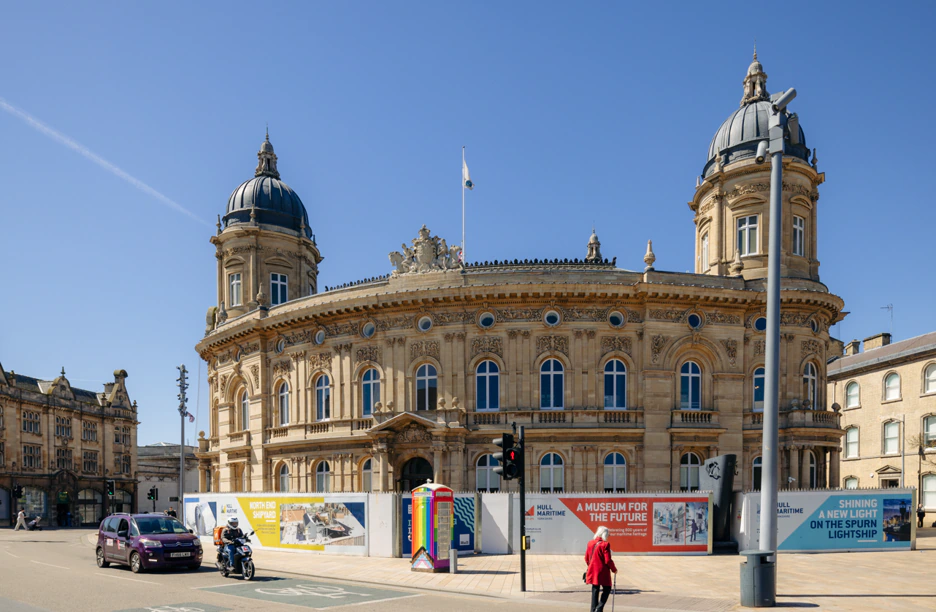
Hull Maritime Museum will reopen this weekend following a £20.4m redevelopment to double its display spaces and create immersive galleries and a new planetarium.
The museum, housed in the city's former dock offices, has been closed for six years ago while the building work took place. The new galleries tell the story of 800-plus years of maritime history and Hull’s role as a centre for fishing, whaling, Arctic exploration and migration.
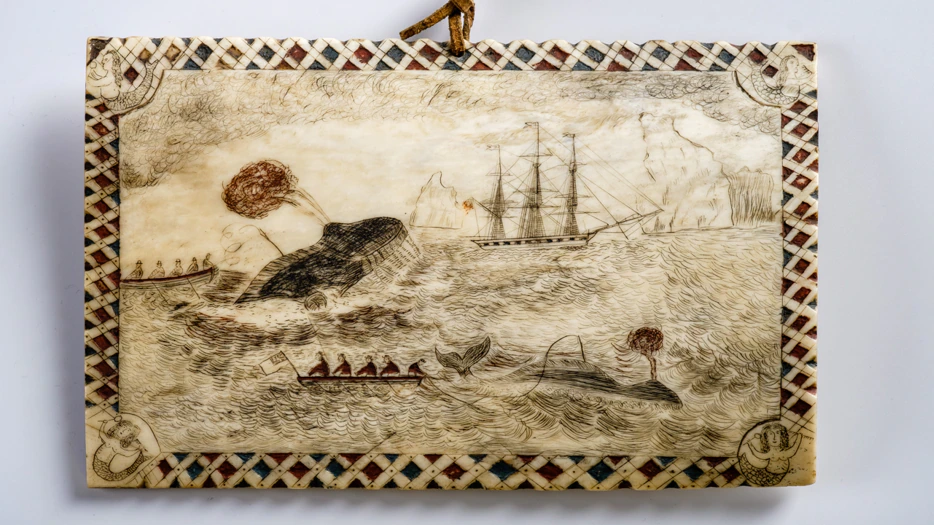
On the ground floor, highlights include a 40ft skeleton of a North Atlantic right whale, Erik the stuffed polar bear and a massive pot used on ships to melt whale blubber. Upstairs, a wall of 100 scrimshaws (bits of bone and ivory beautifully engraved by sailors to help pass the time) and a purse made out of a seabird’s foot are some of the 1,300-odd objects on display.
New galleries also explore life for people living and working in Hull, highlighting working class stories from the port city, through oral histories, digital interactives and inspirational stories of local people such as the Hessle Road Women’s Committee, who campaigned to improve the safely of trawling after three Hull trawlers and 58 lives were lost at sea in 1968.
The museum is part of a wider £70m maritime heritage generation project taking place across Hull – nearly a decade after the city enjoyed cultural success as City of Culture 2017.
Advertisement
Gillian Osgerby, Hull City Council’s project director of Hull Maritime, said: "Over the past six years, we've worked hard to transform the museum into a world-class visitor experience while preserving everything that makes it so special. We can't wait to welcome people back inside and see their reactions first-hand as they rediscover familiar treasures, explore new galleries and experience Hull's extraordinary maritime stories in a completely new way."
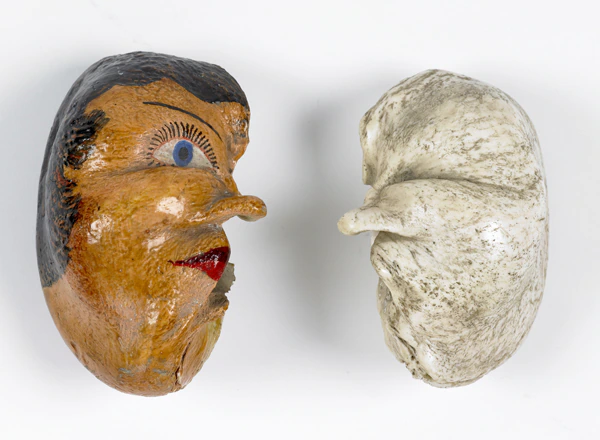
As part of the redevelopment, Hull Museums’ curator of maritime and social history, Robin Diaper, travelled to meet Inuit communities in Canada and discuss some of the objects and stories held in the collection. These include life casts of Ukaliq and Memiadluk, two children who were taken from their home on the Cumberland Sound area in Canada by the captain of the Truelove vessel, John Parker, and exhibited in Hull. On their journey back home, Ukaliq died after contracting measles.
The museum is free to enter. Anticipating high visitor demand, Hull Museums offered timed entry slots for the first month, with more than 8,000 visitors already booking tickets.
The museum was restored by Purcell Architecture and construction firm Simpson of York. The exhibition design was by Haley Sharpe Design and Marcon did the fit-out.