Eleven museum and heritage organisations have been named as community support hubs in a Unesco-led initiative to create an inventory of living heritage for the UK.
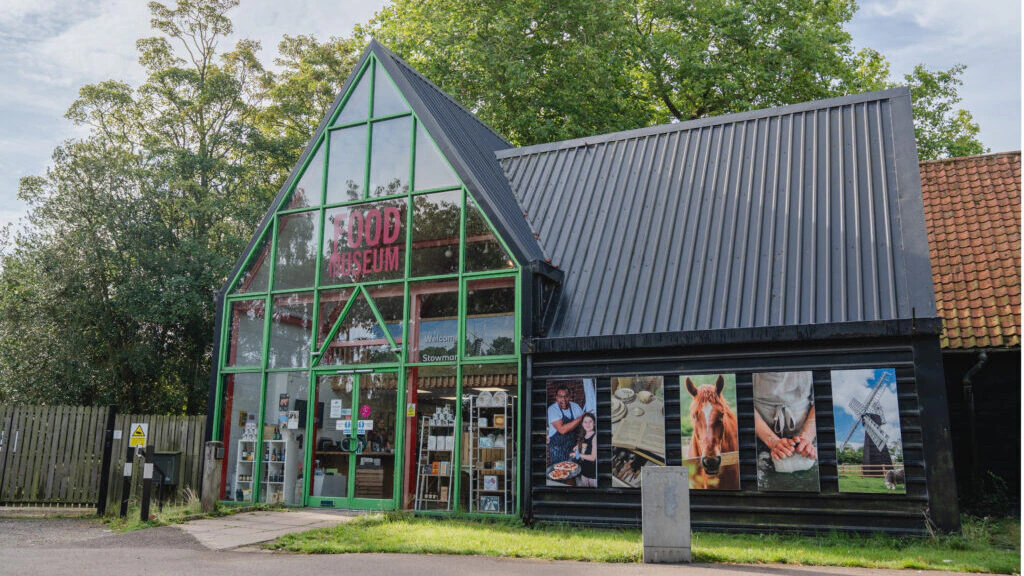
The Food Museum in Suffolk, Amgueddfa Cymru - Museum Wales and Museums Galleries Scotland are among the organisations appointed to support communities with their nominations across seven living heritage categories.
The call for submissions to the UK-wide inventory opened last week and will run over the next four months.
The hubs will act as the first port of call for anyone with questions relating to their type of living heritage or their region, offering help with verifying whether practices qualify, completing paperwork, identifying practitioners, gaining community consent and making connections with others.
Following a consultation led by the Department for Culture, Media and Sport earlier this year, communities are asked to nominate traditions and cultural practices significant to them across the following categories:
- Oral expressions
- Performing arts
- Social practices
- Nature, land and spirituality
- Crafts
- Sports and games
- Culinary practices
Advertisement
The heritage minister and Labour peer, Fiona Twycross, said: “I would encourage everyone to think about what traditions they value so that we can continue to celebrate them, tell our national story to the rest of the world and safeguard the traditions that make us who we are.”
At the time of writing, 53 cultural practices and traditions had already been submitted for consideration, including football chanting, falconry, Romani storytelling, and wooden bucket making.
Submissions will be compiled into four separate inventories for England, Scotland, Wales and Northern Ireland, which will then combine into one inventory of living heritage for the UK.
Applications will be accepted until 27 March 2026, with the aim of launching the first inventory in next summer.
Justine Reilly, the director of Sporting Heritage, a non-profit selected as a hub to support sports and games-focused submissions, said: “For the first time, it feels that sport has an opportunity to demonstrate exactly why it is a relevant heritage subject, why it reflects communities both now and in the past, and change the perceptions, which still too frequently exist, about why this heritage should be a central focus of museums.
“Sporting heritage is central to our communities. It represents the population in a unique way. It’s the golden thread by which we can speak about so many different economic, social, political, and cultural changes.”
Advertisement
Community support hubs
- Amgueddfa Cymru – Museums Federation Cymru
- Folklore without Borders and the Folklore Museums Network
- The Food Museum
- The Heritage Alliance
- Heritage Crafts
- Lowender
- Museums Galleries Scotland (MGS)
- NI Museums Council
- Rural Pursuits
- Sporting Heritage
- TRACS (Traditional Arts and Culture Scotland)
The creation of the inventory is a significant next step following the ratification of Unesco’s 2003 Convention for the Safeguarding of the Intangible Cultural Heritage by the UK Government in June 2024.
Intangible cultural heritage (ICH) has been recognised as a means through which communities can safeguard their traditions, and assert the significance of histories that may have previously been overlooked.
In November, Museums Galleries Scotland held an ICH conference that focused on protecting and promoting living heritage across Scotland.
Seven partnerships in Scotland were recently awarded a share of £62,904 through the Intangible Cultural Heritage Partnership in Scotland’s new Protection through Connection scheme.
Projects funded by the Intangible Cultural Heritage Partnership in Scotland
- Aberdeen Hindu Temple Trust, Diverse Roots, Shared Future: Hindu’s Culture in North-East Scotlan – A celebration of cultural identity and an act of safeguarding: recording oral histories, crafts, rituals, foods and crafts that might otherwise fade from view for Scottish Hindus.
- ANGUSalive, Smoke Signals: The Arbroath Story – Preservation of the smoking tradition of the ‘Arbroath Smokie’ and associated storytelling through oral traditions and song.
- Auchindrain, What they’re lossin’ – Making Auchindrain Township a safe space to celebrate Gypsy/Traveller culture.
- M:ADE, Blackenings: A North-East Wedding Tradition? – Digging deeper into the North-East wedding tradition of ‘blackenings’ – where it comes from, why it’s still so popular and how it has changed over the years.
- North Yell Development Council, Savin wir midder tongue – Sustaining the oral history of North Yell.
- Salmon Net Fishing Association of Scotland and Document Scotland photography collective, Catching the Tide – The Document Scotland photography collective was founded in 2012 to work on important contemporary stories about our country and people. The Catching the Tide project will record the legacy of salmon net fishing in Scotland. It is a collaboration between Document Scotland and the Salmon Net Fishing Association of Scotland, the body which represents fishers working in the industry.
- Strathnaver Museum, At Home in Mackay Country 20 years on – Identify the state of the intangible cultural heritage held within our 7 communities across Mackay Country today and explore how that ICH can help shape the future towards creating sustainable and equitable communities.