
The previous UK government may not be remembered with much joy by museum staff, but one of its final actions could leave a lasting positive legacy for the sector.
In June, the Unesco Convention for the Safeguarding of Intangible Cultural Heritage (ICH) was finally ratified, 21 years after the international treaty was written. The UK had been one of only 13 member states that had not yet adopted the convention.
The 2003 treaty defines ICH (also known as “living heritage”) as “the practices, representations, expressions, knowledge, skills – as well as the instruments, objects, artefacts and cultural spaces associated therewith – that communities, groups and, in some cases, individuals recognise as part of their cultural heritage”.
Living heritage
Intangible cultural heritage categories:
- Oral traditions and expressions
- Performing arts
- Social practices, rituals and festive events
- Knowledge and practices concerning nature and the universe
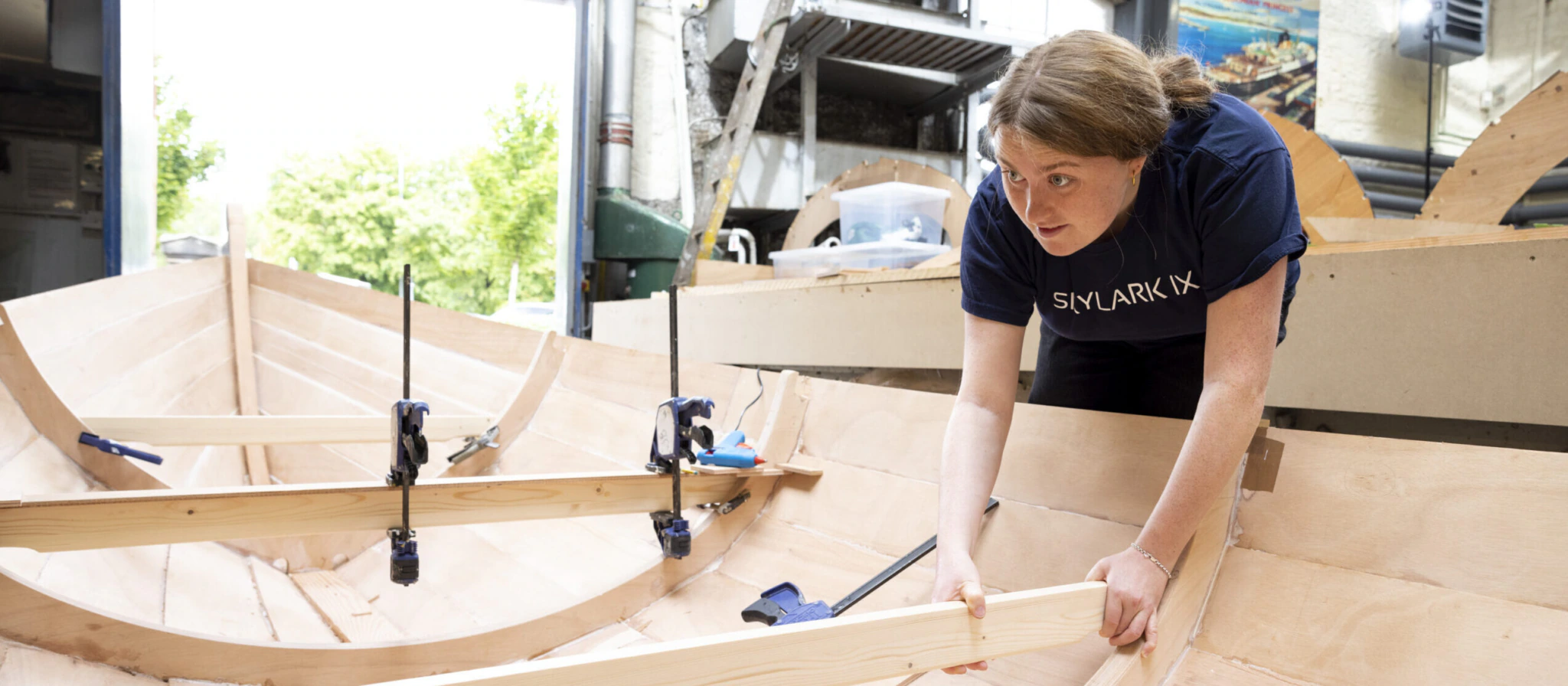
- Traditional craftsmanship
Two further categories may also be added:
- Traditional games and sports
- Culinary traditions and knowledge
The treaty was driven by countries in the Global South and the recognition that globalisation, intolerance and rapid social change threatened the “deterioration, disappearance and destruction” of living heritage, particularly where there is a lack of resources for safeguarding it.
The convention requires states to put intangible heritage on a par with “tangible heritage” (material culture and built heritage). This is in recognition of many cultures, particularly Indigenous and formerly colonised peoples, being under-represented on Unesco’s register because of a comparative lack of physical heritage.
Advertisement
The treaty gives countries a responsibility to establish formal policies and methodologies to ensure ICH is safeguarded, as well as to raise awareness and recognition of it through educational and information programmes. Importantly, it also requires states to ensure the “widest possible participation” of communities in these endeavours, and to actively involve them in the management of living heritage.
Never a priority
In many western countries with an abundance of “tangible” heritage, ICH has not been considered a priority.
In the UK’s museum and heritage sector, there has also been concern that incorporating ICH into the remit of cultural institutions would detract from their core function of caring for material culture collections.
But attitudes are changing. Many now recognise that ICH is integral to the understanding of tangible collections, as well as helping to build intercultural dialogue in areas such as curation, interpretation and repatriation.
And although awareness of the terminology around ICH is patchy, it is not an unfamiliar concept for the UK sector: many institutions have been engaging in this area for a long time already, even if they call it something else.
Advertisement
“It feels like a new concept to some, but most museums have been doing this as part of their work,” says Jacob O’Sullivan, museum development manager – collections and interpretation at Museums Galleries Scotland, which is part of the ICH Scotland Partnership.
“It’s really how museums get meaning from collections and act as community spaces for celebration and community cohesion.”
Engaging with ICH is vital for museums that wish to address colonial legacies and challenge historical biases, says O’Sullivan.
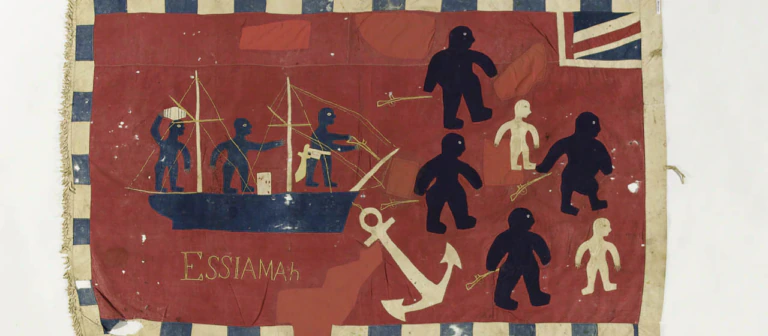
“There’s a real opportunity for improved representation,” he says. “Material cultural collections have often been based on colonial-era collecting practices and exclusions – and ICH is a way of rectifying that, without necessarily needing to do massive programmes or contemporary collecting.”
Rather than increasing the burden on the sector, the convention will give government and legal backing to the work museums are already doing, according to O’Sullivan.
“Ratification will just formalise that at a national level and help museums to engage with the ICH process,” he says. “Once it starts being talked about formally at government level, it helps. If museums start using the language – terminologies like ICH – and therefore being able to advocate on behalf of its importance, it will be a real benefit.”
Advertisement
Formal recognition is one thing, but in a cash-starved sector, will this be backed up by funding? The Department for Culture, Media and Sport (DCMS), which is leading on the ratification, has indicated that it is unlikely any new money will be available, but ICH may start to feature in existing funding streams.
Under the convention, the state has a duty to establish dedicated bodies for the safeguarding and documentation of ICH, as well as fostering research and training. Museums may well be asked to play a central role in this.
“Collecting, interpreting and preserving ICH is a fantastic opportunity for museums, rather than a challenge”
Peter Hewitt, founder of the Folklore Museums Network, who has been involved in the ratification process, says: “It is pretty well established that museums are generally seen as key to safeguarding ICH across the other 182 state parties that have ratified already.”
Following ratification, the next step will be to create an inventory of the living heritage present in all parts of the UK. Earlier this year, the DCMS launched an online survey and hosted a series of roundtables to consult on what the inventory should look like.
This research will inform the criteria for inclusion on the inventory, as well as the process of adding to it. The DCMS proposes each UK nation having its own inventory. These are likely to be set up in 2025.
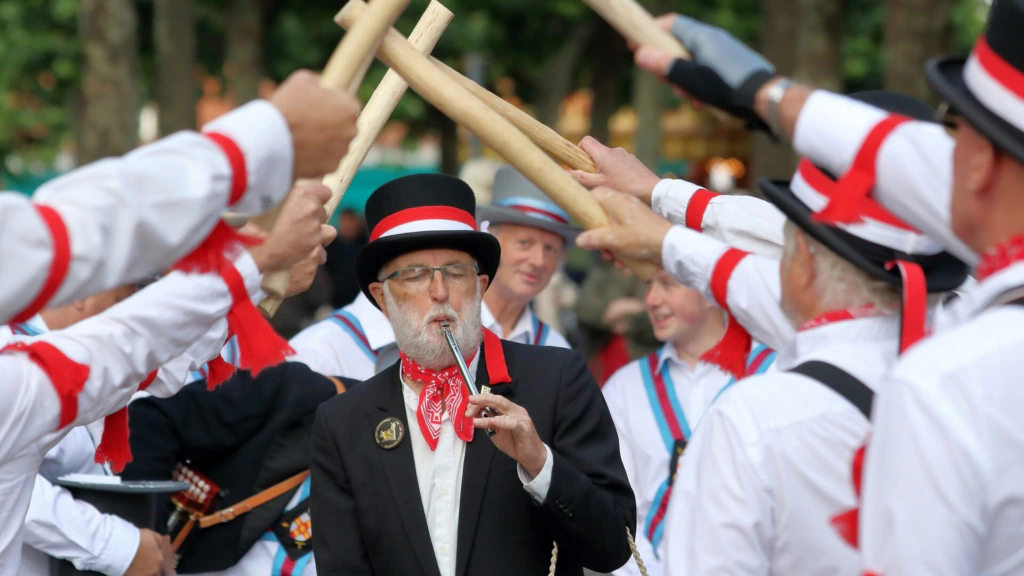
There are still plenty of details to be ironed out. The roundtables raised questions over the taxonomy of the inventory, says Hewitt: “Should ‘morris dancing’ be a single entry on the inventory, or is a more localised approach needed? How might traditions that cross borders be included in devolved inventories? How might certain regions, for example Cornwall, feel about being part of an English inventory?”
There were concerns over the DCMS’s role as “gatekeeper” of living culture and whether politics would play a part in what features on the list. Queries were also aired about how communities would benefit from the process.
Shift in mindset
Museums need to be prepared to change, says Clara Arokiasamy, an independent heritage consultant with a focus on ICH.
“Museums need to recognise that the convention places ICH-practising communities in the driver’s seat: the convention is designed to protect the community’s agency in defining, documenting and safeguarding its ICH,” she says.
“This will require a huge shift in mindset and a far-reaching change in museums’ ‘stewardship/expert’ role. Until there is genuine acceptance that ICH is of equal value and importance to tangible heritage – with both on the same continuum and interrelated – and one needs the other to produce a holistic or complete meaning of heritage, museums will struggle with these aspects of practice.”
But if they grasp the opportunity, museums can act as “trusted advocates”, Hewitt believes, bridging the gap between local heritage bearers and “the authorities”, and establishing themselves as cultural centres where knowledge is passed on to new generations.
“Collecting, interpreting and preserving ICH is a fantastic opportunity for museums, rather than a challenge,” he says. “In a way, it is about widening the concept of the museum beyond its walls and store rooms. The culture of the community or wider region can be seen as a collection that needs exhibiting.”
Jacob O’Sullivan and Peter Hewitt are among the speakers at a session on ICH at the Museums Association Conference in Leeds on 12-14 November.
Museums must grasp this opportunity
The UK’s unique, layered and diverse cultural heritage is the envy of Europe and the world. Legacies of empire, colonialism and the transatlantic slave trade are part of it. There is also a growing fusion of the UK’s diverse cultures and heritages that has not been adequately acknowledged.
If implemented properly, the ratification of Unesco’s 2003 convention by the UK should bring all of this out into the open and help counter the negative and hate-filled narratives about British culture, wokeness and the anti- migrant sentiments and riots that we witnessed recently. Museums have a role to play in this and I hope they grasp the opportunity with both hands.
Clara Arokiasamy is a heritage consultant with a focus on ICH
About 20 years ago at a meeting in London on the newly created ICH convention, I raised the lack of care for ICH, in England particularly. As a Morris dancer, I made the point that this tradition survives only because people dance. The Museum community has to do the intangible heritage, not just “collect” it. This was met with stony silence.
As the archivist of Manchester Morris and worried about the preservation of the associated tangible heritage of this ICH, 2 years ago I sent a message to the Social History Curators Group asking if any museum was collecting this material or would consider doing so.
I received not one reply.
England is unusual in its lack of interest in its ICH. Most countries celebrate their traditions.