A new project has been launched by Museums Galleries Scotland to safeguard and promote Scotland’s intangible cultural heritage (ICH).
The Protection Through Connection: Safeguarding Intangible Cultural Heritage in Scotland initiative aims to raise the profile of the nation’s living traditions by building stronger relationships between cultural and heritage organisations and communities that maintain ICH.
Supported by the National Lottery Heritage Fund, the first phase of the project will build a more comprehensive picture of living heritage practices across Scotland via an open call for information about ICH. This will support the creation of a National ICH Inventory due to be published later in 2025.
How can museums use ICH to address challenging and contested narratives?
Join us at the MA Conference 2025 for a workshop led by National Museums Scotland
This knowledge-gathering phase will be followed by a round of funding for partnerships between ICH practitioners and heritage sites in autumn 2025.
The funding will enable five mutually supportive partnerships to be established between “tradition bearers” of ICH and cultural or heritage organisations, including museums, galleries, heritage centres, libraries, archives, and other venues.
Advertisement
Each partnership will be eligible to apply for up to £10,000; more information about this funding will be made available at a later date.
Museums Galleries Scotland's ICH project officer Peter Hewitt and collections and interpretation manager Jacob O’Sullivan are leading on the project, which is being delivered in partnership with Historic Environment Scotland and Traditional Arts & Culture Scotland.
As part of the knowledge-gathering phase, individuals are invited to explore the ICH Scotland Wiki and inform Hewitt of any gaps.
Hewitt said: “We know that the ICH Scotland Wiki isn’t an exhaustive list of traditions, but hopefully it will give you a sense of what we mean by ‘Intangible Cultural Heritage’. Please have a think about your communities and the customs, crafts, and beliefs that are being practiced in your region.”
The project leaders are also calling for organisations to provide examples of their connections to local traditions or customs, which will be used to guide the funding phase of the project.
O’Sullivan said: “ICH is community-driven and defined. As genuinely participatory community spaces and resources, museums and similar cultural organisations are ideally placed for supporting ICH. Likewise, communities that practice ICH are able to revitalise and diversify the meanings garnered from museum collections.
Advertisement
“This project will support the sector in developing exciting and innovative relationships between ICH communities and cultural organisations; this is the first project to take this approach, and has potential to be genuinely transformative for living heritage in Scotland”.
The project comes a year after the UK Government formally ratified the 2003 Unesco Convention for the Safeguarding of Intangible Cultural Heritage, which requires states to put ICH on a par with “tangible heritage” such as material culture and built heritage.
The convention defines ICH as the “practices, representations, expressions, knowledge, skills – as well as the instruments, objects, artefacts and cultural spaces associated therewith – that communities, groups and, in some cases, individuals recognise as part of their cultural heritage”.
The UK and devolved governments are currently working to create inventories of living heritage across England, Scotland, Wales and Northern Ireland.
Nominations to the inventories will be accepted under seven categories:
- Oral expressions, which could include poetry and storytelling
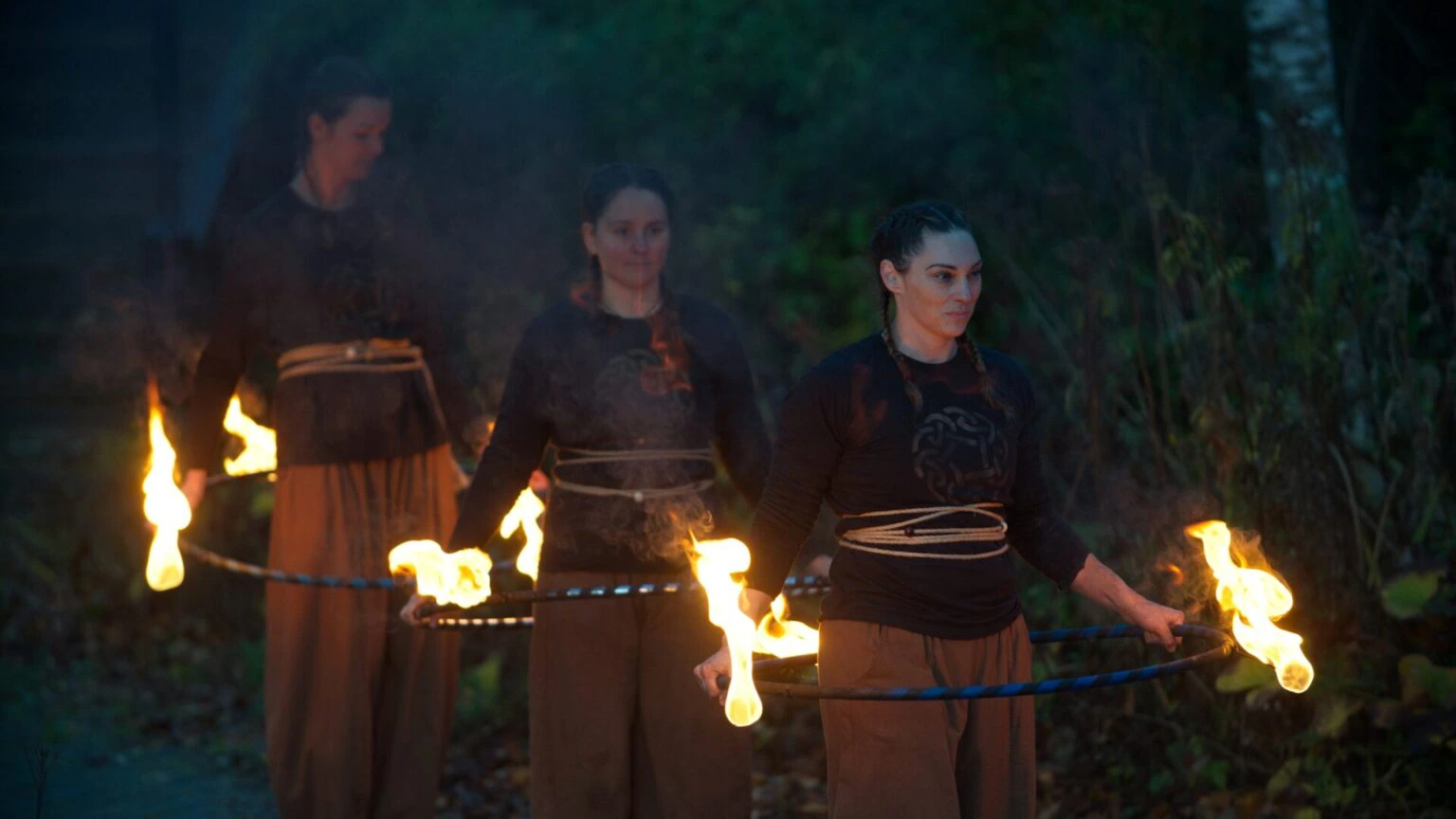
- Performing arts
- Social practices, which could include festivals and customs
- Nature, land and spirituality, which could include land practices and living heritage knowledge and practice relating to nature and the environment
- Crafts
- Sports and games
- Culinary practices