
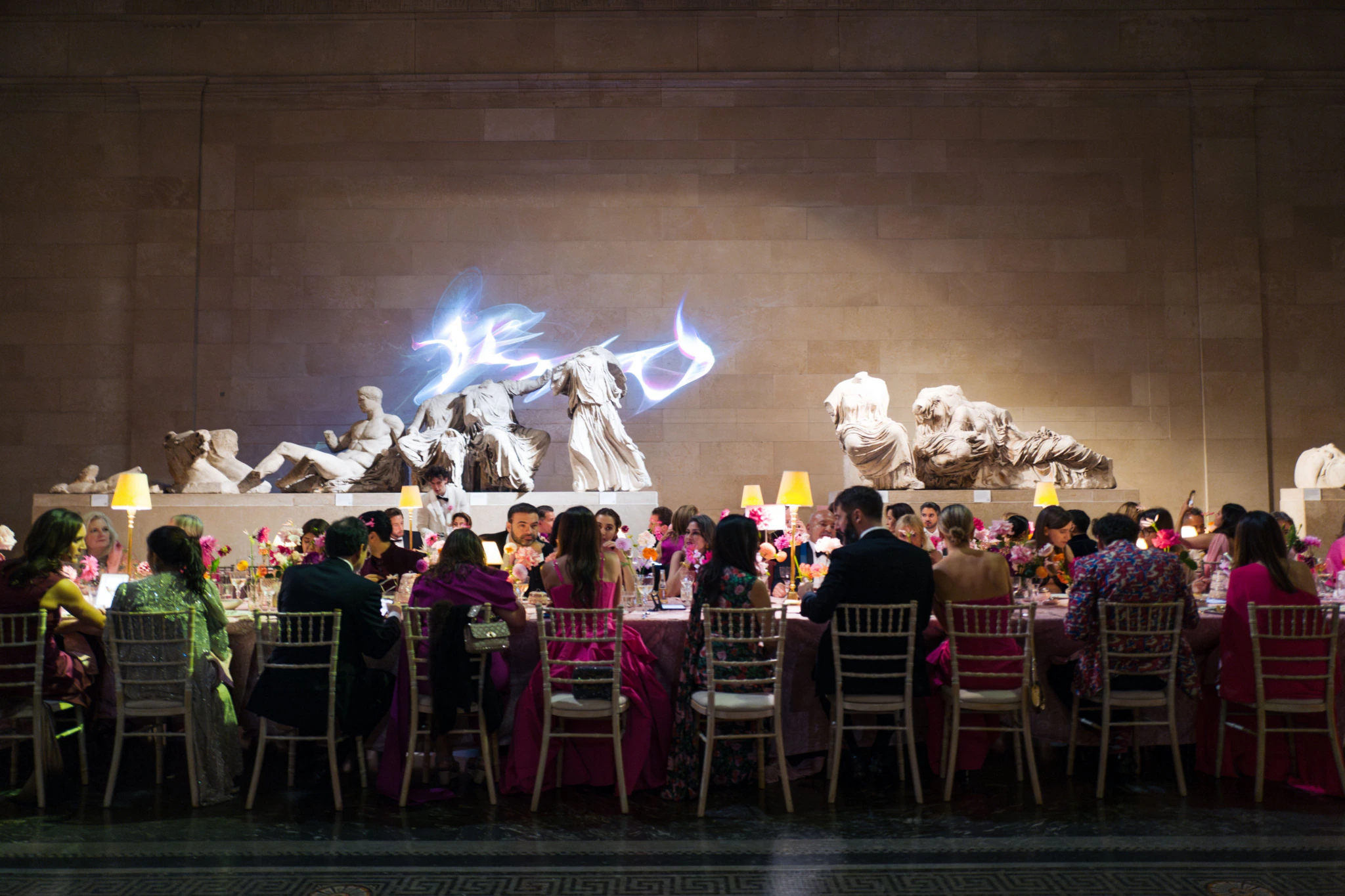
The British Museum has hailed its Pink Ball a success in spite of disruption from climate and pro-Palestine protesters, as well as condemnation from the Greek Ministry of Culture.
Held on 18 October, the glitzy event saw around 900 guests, including a variety of well-known names from the worlds of culture, sport and fashion, walk the pink carpet before being treated to musical performances, pink champagne and Indian cuisine served in the museum’s ground floor galleries. Tickets cost £2,500 per head or £20,000 for a table of 10.
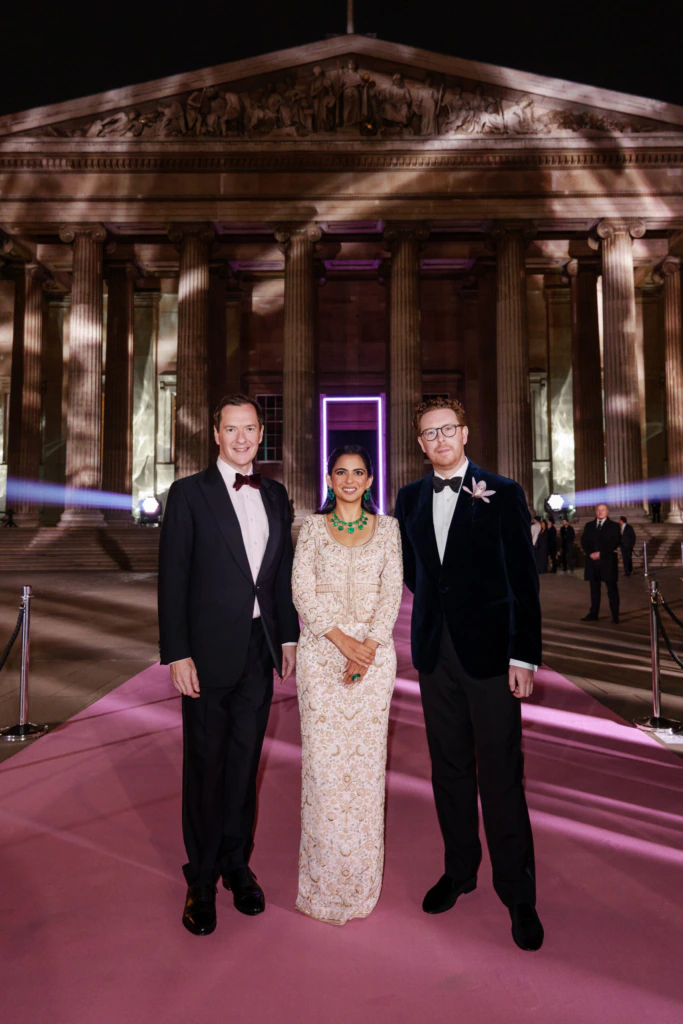
A silent auction offered lots including a pet portrait by the artist and museum trustee Tracey Emin, behind-the-scenes tours of the museum’s scientific research laboratories, and tours of the Greek and Roman collections with professor Mary Beard. Another prize gave the buyer an opportunity to be among the first to see the Bayeux Tapestry when it arrives on loan next year.
Describing the ball as a “landmark moment in the museum’s history”, the institution has revealed that it raised £2.5m to support international partnerships.
The night did not go off without a hitch, however. Activists from the anti-oil group Climate Resistance and the Pro-Palestine group Energy Embargo for Palestine occupied the Great Court of the museum hours before the ball began, and staged a loud demonstration on the roads outside as guests arrived.
Advertisement
The groups are demanding that the museum drop the oil giant BP as a sponsor, and listen to the views of its workers, many of whom objected to the museum’s decision to host an event for the Israeli embassy earlier this year. The groups also criticised the involvement of Isha Ambani, the co-chair of the ball, whose family own an Indian oil, gas and petrochemical conglomerate.
Inside the ball, a protester moonlighting as a member of waiting staff was able to interrupt chairman George Osborne’s speech. The protestor unfurled a banner urging the museum to “drop BP”, and accused the museum of providing cover for a “company that is causing climate collapse and actively enabling the genocide in Gaza”, before being escorted offstage by security.
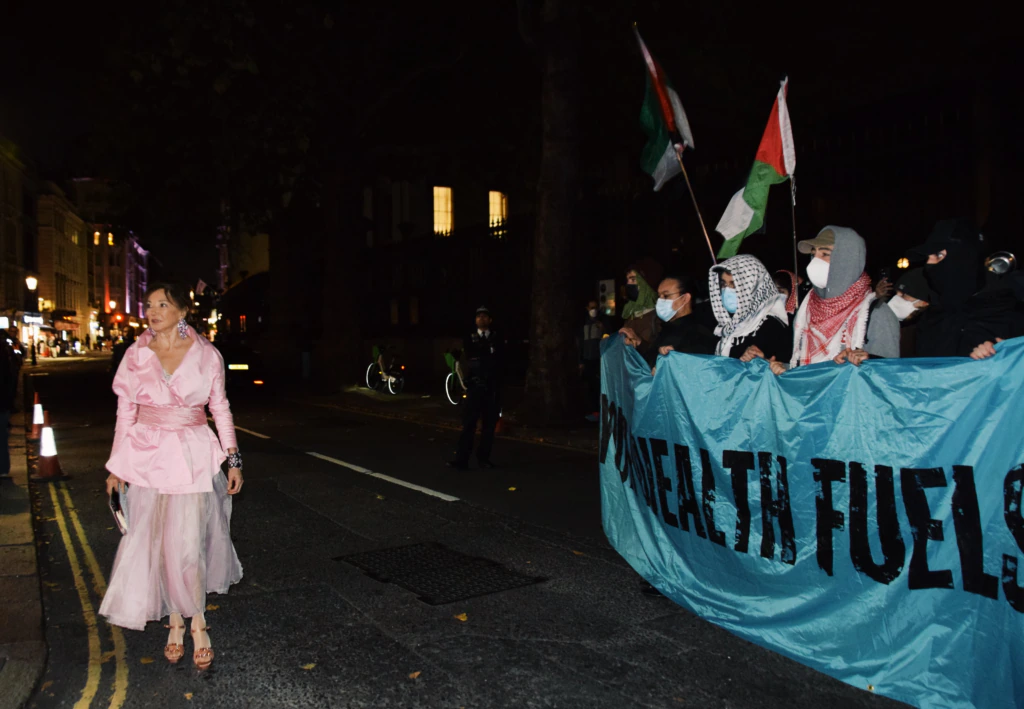
Activist Sam Simons, a spokesman for Climate Resistance, said: “Public cultural institutions like the British Museum should exist for the benefit of the people – not as a playground for the super-rich to flaunt their obscene wealth or for fossil fuel corporations to greenwash their abysmal reputation.”
Commenting on the protests, a British Museum spokesperson told Museums Journal: “As our chair said at the event, it’s great to live in a democracy and people are entitled to their views.
“The British Museum respects other people’s right to express their views and allows peaceful protest onsite at the museum as long as there is no risk to the collection, staff or visitors.”
Advertisement
The museum has also come under fire from Greece’s Ministry of Culture for using the disputed Parthenon sculptures as a backdrop for diners at the ball.
Greek culture minister Lina Mendoni said: “The Ministry of Culture has condemned, repeatedly and over time, dinners, receptions and fashion shows held in museum spaces where monuments and works of art are displayed. Such actions are offensive to cultural heritage and endanger the works themselves.
“This is exactly what the British Museum administration did last Saturday, once again using the Parthenon sculptures as decorative elements for the dinner it organised. The safety, integrity and ethics of the monuments should be the primary concern of the British Museum, which once again demonstrates a defiant indifference.”
The criticism comes at a time when sensitive negotiations are taking place between the museum and Greek officials on a potential long-term deal that would see the marbles return to Greece in exchange for rotating loans of other ancient treasures.
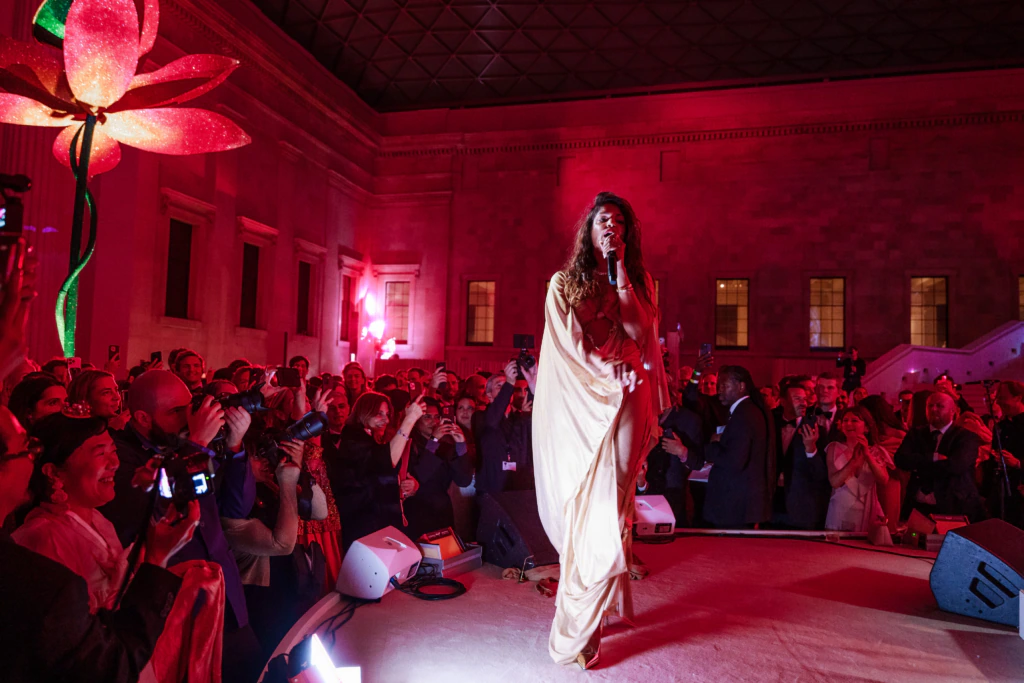
The museum says the proceeds of the ball will directly support its international partnerships, which range from archaeological research at Girsu in Iraq and Benin City in Nigeria, to curatorial collaborations with Chhatrapati Shivaji Maharaj Vastu Sangrahalaya in Mumbai.
Advertisement
The funds will also go towards the museum’s International Training Programme, which aims to “equip the next generation of curators to protect and share heritage worldwide”.
The museum used the ball to announce a major donation of £10.3m from the Garfield Weston Foundation towards its Visitor Welcome Programme, which will see new pavilions installed at the museum’s south and north entrances.
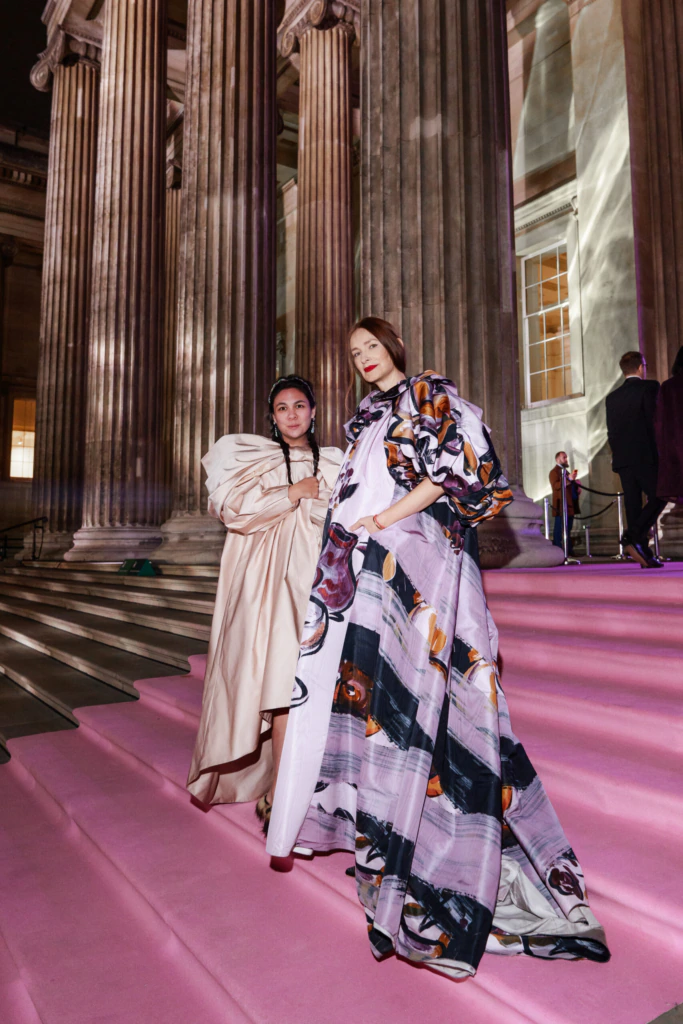
A statement from the institution said: “The inaugural British Museum Ball has now set a new benchmark for philanthropic and cultural celebration, bringing together leading figures from art, design, fashion, entertainment, and public life in support of a shared global mission and to celebrate London’s status as one of the world’s leading cultural capitals.”
The museum’s director Nicholas Cullinan said: “The British Museum is at the heart of cultural life in the UK, and the inaugural ball demonstrated this with both an unprecedented level of interest, an extraordinary fundraising sum, and a renewed sense of the mission we are on to transform this remarkable institution.”
Cullinan has confirmed that the event is to go ahead again next year, hinting that it may be themed around the Bayeux Tapestry, which will go on display at the museum in September 2026.

In my opinion the BM should be focused on things closer to home, like sorting out its housekeeping and cataloguing, after its last disaster. Smaller museums would have had their Accreditation status reviewed and/or withdrawn for such a breach in their cataloguing backlogs and security, but it would seem the same ethics don’t apply to the giants? They are happily given vast sums of money for less reasons than the rest of the museums struggling and fighting for funding just to keep going.
When London is permanently flooded I trust that the British Museum board will reflect on the corollary of it’s accepting tainted lucre from the conscienceless and doom-laden ogre which BP is.