
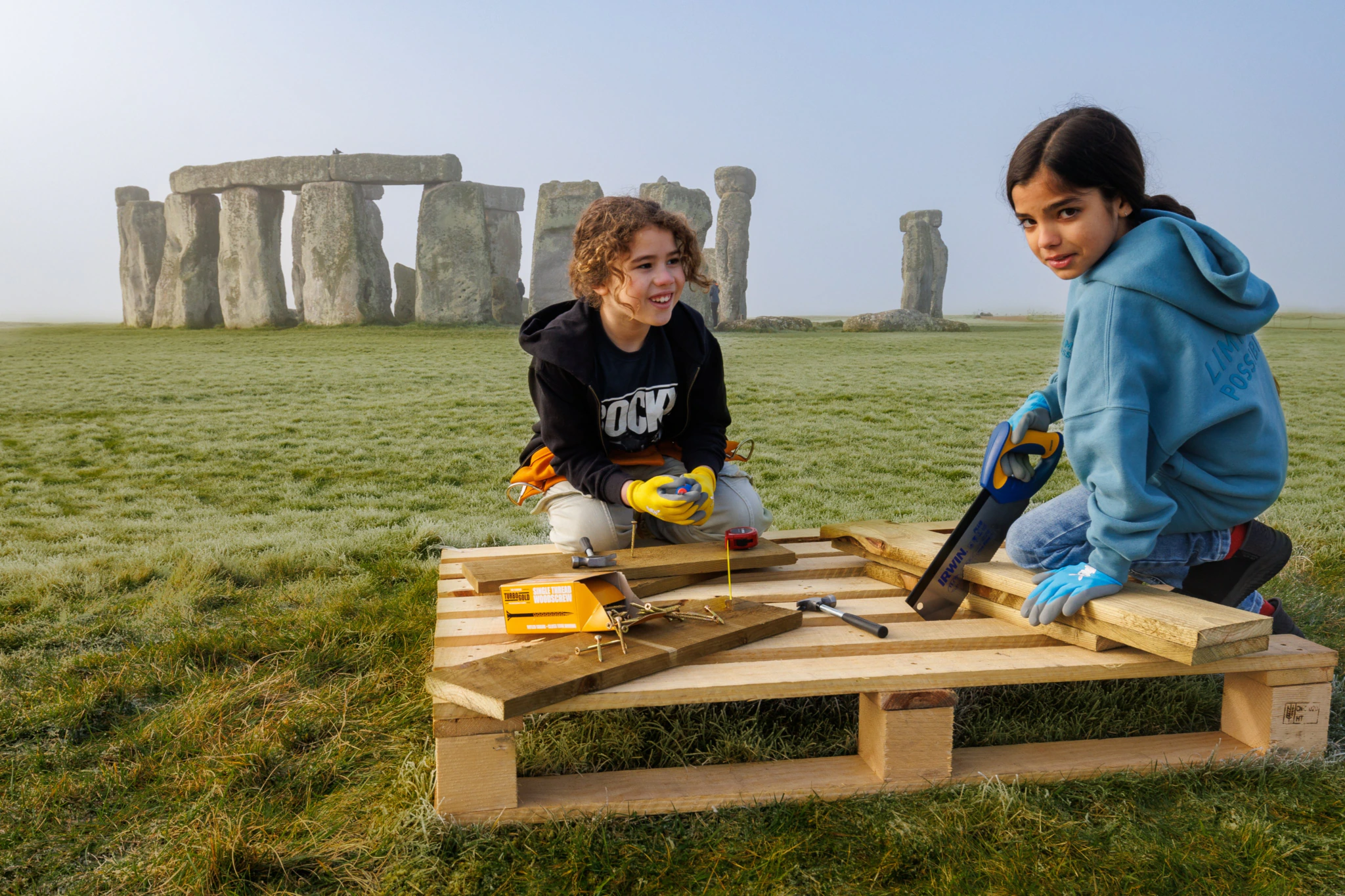
A new piece of research has found that the cost of living crisis hasn't reduced the amount of money that family visitors are willing to spend on visiting attractions such as museums – but it has led them to become more selective with their choices.
The study, Understanding the Family Visitor Market: Insights from New Research, found that 74% of families surveyed have less than £200 monthly for all leisure activities. Despite this, 62% spend more than £100 on a single day out, reporting that they view these experiences as special occasions worth saving for.
The families who took part also said they don’t see paid and free attractions as competing destinations, but split their time 60/40 between free and paid-for experiences.
"Families aren't measuring value in hours spent or activities ticked off," said David Reece, the chief strategy officer at Baker Richards, which carried out the research on behalf of the Association of Leading Visitor Attractions (Alva).
"They're investing in joy, connection, and stories they'll tell for years. The deeper issue often isn't price, but value for money."
The study also found that while many families research attractions more than two weeks in advance, 44% delay booking until the final 48 hours before visiting.
Advertisement
While family tickets offered by attractions remain the cheapest option for 41% of those questioned, another 41% say these tickets don’t match their family structures.
Elsewhere, 41% of families surveyed include a child with some level of Special Educational Needs – higher than the figures recorded in national statistics.
"This research challenges our assumptions of what and who constitutes a family and enlightens us on the prevalence of families where members may have special educational needs, prompting us to further think what that means for our operations and visitor experience,” said Bernard Donoghue, director and chief executive of Alva.
Five key recommendations from the study
- Re-define value
Focus on creating memories rather than selling dwell time- Own unique emotional territory
Consciously position individual attractions as irreplaceable and unique experiences.- Ensure authentic accessibility
Move beyond compliance to genuine welcome of visitors with a wide range of access needs.- Recognise that children drive return decisions
Design for both child engagement and parental value. Children’s enjoyment is the top factor driving the decision to return to an attraction.- Be the highlight, not the whole day
Complement rather than compete with free alternatives, and consider positioning paid attractions within a day out which includes free-to-enter spaces such as parks and gardens.


.
Althought referenced several times, there doesn’t seem to be a link to the article or any research. Who’s it done by? What was the study called? Do you have a link so we can go read it an learn more about current visitor trends?