Just under a fifth of Scotland’s museums (17%) believe a venue they operate could be at risk of closure within the next 12 months, according to a new survey by Museums Galleries Scotland (MGS) – up from 11% two years ago.
The 2026 Survey of Scotland’s Museums and Galleries was commissioned by MGS and conducted by DC Research to give an overview of the sector’s activity, contribution and operating conditions. It follows two previous surveys in 2024 and 2022.
The findings of the survey were presented to the Scottish Parliament in October and published in full earlier this month.
The survey attracted 98 responses from museum organisations – a 33% response rate from the 297 organisations represented by MGS.
It found significant concerns about the financial resilience of the sector, with 40% of respondents saying they have reserves covering three months or less.
The survey also showed a mixed picture for visitor figures; museums and galleries attracted 14.4 million visits in 2024-25, one million lower than the 15.4 million reported in 2023-24. However, there was significant growth in the proportion of international visitors, after several years of gradual post-Covid recovery. These had risen from 12% in 2022 to 42% in 2024, and 52% this year.
Advertisement
Income
The survey found that the sector has diversified its income streams over the past few years; in 2026, core grants accounted for 60% of total income from all respondents, compared to 69% in 2022, followed by external project funding (10% in 2026 and 12% in 2022). Meanwhile, the proportion of income museums earned from shop and retail was 8% this year, up from 3% four years ago.
Progress has also been made around fundraising strategies, with 66% reporting that they do have a fundraising plan/strategy for their museum, compared to 63% in 2024 and 42% in 2022.
The survey highlighted the breadth of museums’ work with schools and communities. More than four-fifths of respondents had engaged with primary schools (83%) and secondary schools (82%), followed by universities (70%).
Meanwhile, almost two-thirds of respondents (63%) said their museum actively engaged with the health and wellbeing agenda through deliberately targeted programmes, while four-fifths (80%) of respondents had worked with people living in socio-economically deprived communities.
For those engaged with health and wellbeing, the most common activities/audiences that museums have worked with within the last year were: older people (92%); family activities (91%); and youth engagement (89%).
Advertisement
Under pressure
However, the MGS survey found that financial and operational pressures are threatening the sector’s ability to maintain public engagement.
More than half of respondents (52%) said they could not keep pace with routine building maintenance, while 38% described their museum buildings or collections stores as being in poor or bad condition.
A further 84% of respondents said funding uncertainty was posing a major or moderate challenge to recruitment, while almost all (96%) expected funding pressures to present a significant workforce challenge.
A further 60% cited limited progression opportunities as a recruitment challenge.
Climate change is also having a direct impact on museum operations, the survey found. More than a third of respondents (38%) reported temporary closures during the previous year as a result of extreme weather.
Advertisement
Lucy Casot, chief executive of Museums Galleries Scotland, said the research was undertaken every two years to build a picture of the sector’s changing circumstances.
“We undertake this research every two years so we can see the full evolving picture: the successes, the ambition and the extraordinary contribution museums make, but also the challenges and uncertainties they are facing,” she said. “The evidence enables us to champion the sector and make the case for the support it needs.”
Casot added: “The findings show a sector that people clearly value, museums open doors to culture, learning and participation across Scotland, and make a real difference to people’s lives and communities. But popularity does not guarantee security.
“Museums have shown tremendous commitment, creativity and determination to keep delivering for their communities. They should not have to continually stretch limited resources to keep those doors open.”
The survey aims to provide an evidence base for MGS’s ongoing work with the Scottish Government, local authorities and other partners to strengthen the resilience and sustainability of Scotland’s museums and galleries.
In October, Casot presented the findings to the Scottish Parliament’s culture committee as part of its scrutiny of the 2027-28 budget, where she called for enhanced, multi-year public investment in the sector.
Museum Futures funding
In other news, MGS has distributed a further £513,386 through its Museum Futures programme, which was launched last year to help museums transition to a more sustainable way of working, while removing some of the risks of trying something new.
The latest awards included funding for Trimontium Museum, City of Edinburgh Council, Glasgow Life and Linlithgow Museum.
“I am pleased that Scottish Government investment is helping museums to inspire young people, bring the stories behind communities to life, and support innovation and collaboration to ensure their long-term sustainability,” said culture secretary Màiri McAllan.
Funded projects
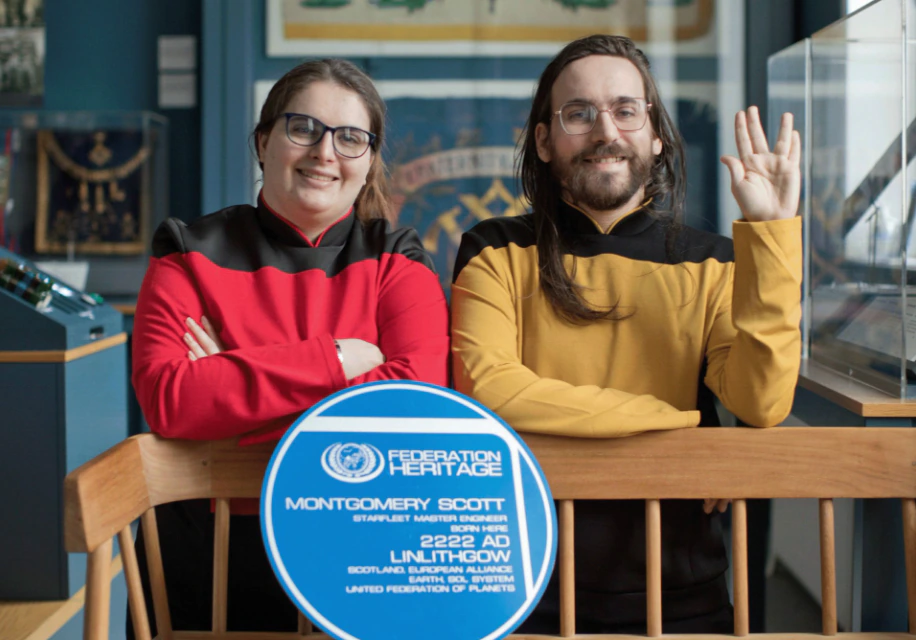
Linlithgow Museum will use the town’s Star Trek connection to Montgomery “Scotty” Scott, who will be born in the town in 2222, to engage with both local and international visitors. Supported by a £47,625 grant, the project will include a paid exhibition, opening in 2027, as well as a permanent Scotty engineering workstation, a virtual reality experience, an improved retail offering, and an annual Scotty Fest which will bring together local businesses and tourism venues for a programme of events.
The project will use themes of engineering, exploration, science, hope, inclusion, and imagination to attract visitors, widen audiences, and create engaging activities for young people whilst remaining rooted in Linlithgow’s story and the museum’s role in the town.
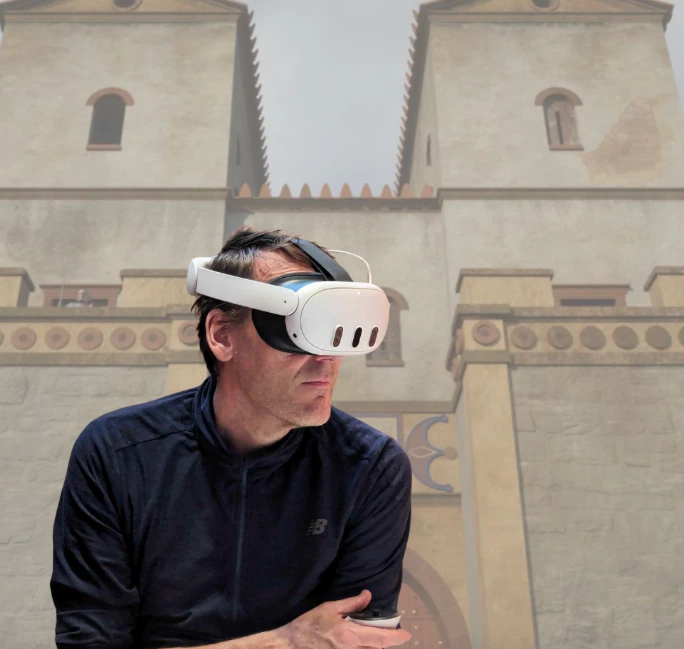
Trimontium Museum in Melrose has received £197,000 to create a series of new visitor experiences, linking the museum to the nearby fort site, which was the largest Roman fort and settlement north of Hadrian’s Wall. A new augmented reality (AR) experience will bring together reconstructions and archaeological evidence to immerse visitors in Roman Scotland and will also allow them to take part in virtual archaeological digs. Alongside the AR experiences, the museum will open an immersive cinema space in the Ormiston Institute for ticketed screenings and educational visits.
Ullapool Museum will use its £33,977 grant to launch a new and improved website with online booking and retail functionality. The funding will also create additional staff capacity to manage the new digital services, along with staff training in website management, e-commerce, and digital marketing. The project aims to address some of the barriers the museum faces due to its remote location by strengthening its online presence.
Glasgow Life has received £85,000 to restructure its membership programme. Moving away from its current scheme which focuses solely on exhibitions, the new offering will also include benefits which celebrate the permanent collection and initiatives of Glasgow Museums. The relaunched programme will introduce new membership tiers and pricing, backed by a digital rebrand that puts the museums’ charitable mission and the benefits of joining at its centre.
City of Edinburgh Council Museums & Galleries will use its £97,986 grant to launch a new programme to build a more secure long-term future for the city’s collections and venues and make it easier for the public to support them. Building on its 2023 Income Generation Strategy, also funded by Museum Futures, the service will recruit a development and partnerships manager to lead its fundraising work.
In addition to the larger grants, 22 museums have received a share of £45,387 through the programme’s microgrant fund. Museums can apply for up to £3,000 to address professional development needs or implement small entrepreneurial ideas. Examples of funded activity include training for the Scottish Crannog Centre’s workforce to allow them to make iron age shoes, belts, shields and pouches with the aim of offering hands-on workshops for visitors. Gairloch Museum will use its microgrant to develop Gairloch Pattern knitted headband kits which will be sold in its shop and online, while David Livingstone Birthplace Museum will purchase an outdoor cinema screen to host cinema evenings during the summer.