The John Ellerman Foundation has announced that it will no longer run a dedicated fund for museums and galleries.
Launched in 2014, the John Ellerman Foundation’s museums and galleries programme offered grants of between £10,000 and £50,000 per year, for up to three years. By the time the fund celebrated its 10th anniversary in 2024, it had awarded 62 grants worth £5.39m to 50 organisations.
Going forward, however, the charity plans to take a different approach to grantmaking as part of its new strategy for 2025-2030, which outlines a commitment to tackling the planetary crises and reducing societal polarisation, among other priorities.
The foundation's director, Sufina Ahmad, said the organisation would no longer restrict applicants to fit into its previous three funding categories of arts, social action and the environment, and would no longer be “committing to a dedicated Museums and Galleries Fund”.
“Instead, we are narrowing our focus and trying to avoid setting up arbitrary restrictions through funding categories,” said Ahmad.
“We will focus our grantmaking on supporting changemaking organisations with a clear understanding of their role within existing and/or new systems and a clear strategy on how they intend to make change, that are committed to advancing justice through the active involvement of individuals and communities with personal or direct experience of the issues they tackle.”
Advertisement
The fund closed to applications on 13 June. The charity will be publishing and moving to new funding guidelines, to align with the 2025-2030 strategy, on Monday 23 June.
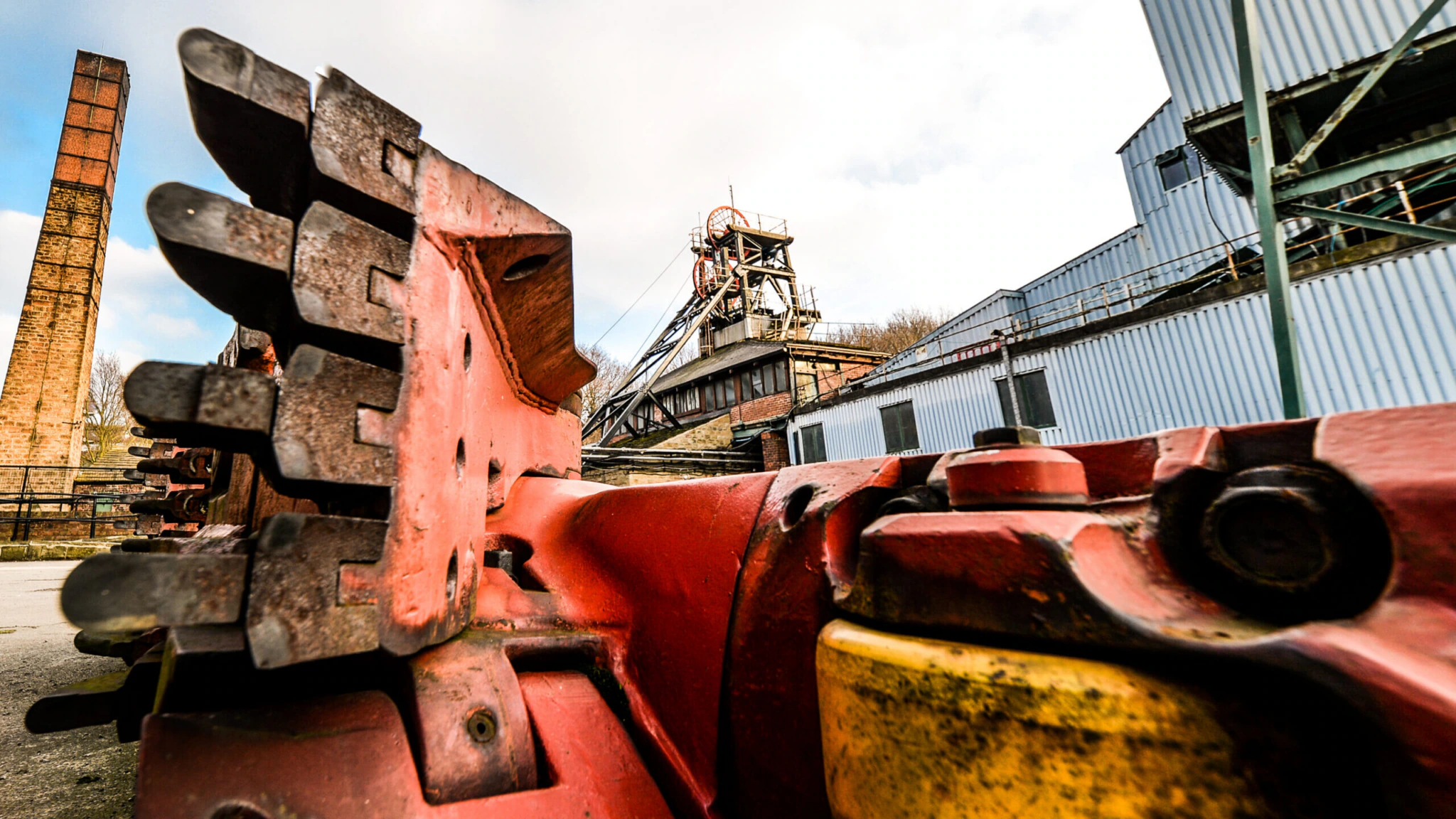
Among the final grants made by the Museums and Galleries Fund, the foundation this week awarded the National Coal Mining Museum just over £87,000 to review its industrial heritage collection.
The museum, which is based on the site of the Caphouse Colliery in Overton, Wakefield, West Yorkshire, will use the money in part to employ a collections review assistant until 2028 to assist with the project.
The project will assess the conservation needs, engagement potential, and display opportunities for the museum’s large industrial objects, including mining machinery. A collections review will also help inform the rationalisation of the collection, including disposal of some items.
“This funding is hugely important in helping us preserve a collection that represents a monumental chapter in our nation’s industrial history,” said Lynn Dunning, the chief executive of the National Coal Mining Museum for England.
“The coal mining machinery, large and small, in our care tells the story of the people, innovation, and communities that powered Britain for centuries. Thanks to the support of the John Ellerman Foundation, we can now ensure these objects are better understood, conserved, and shared with future generations. We can also look at new ways to display and showcase these objects so they can be enjoyed by all”
Other museum and gallery grants awarded this year include:
- Baltic Centre for Contemporary Art | £97,800 to fund a curator and assistant curator in developing their photographic collecting and curating expertise.
- Glasgow Life | £101,544 to cover a collections curator position for the People's Palace redevelopment.
- Manchester Museum | £98,484 for Ubuntu, a two-year project focusing on its collection of objects from Africa.
- Royal Botantic Gardens Kew | £150,000 towards project costs and a UK conservation projects officer salary.
- The National Archives Trust | £90,000 towards costs of the National Touring and Regional Supported Loans Programme.