
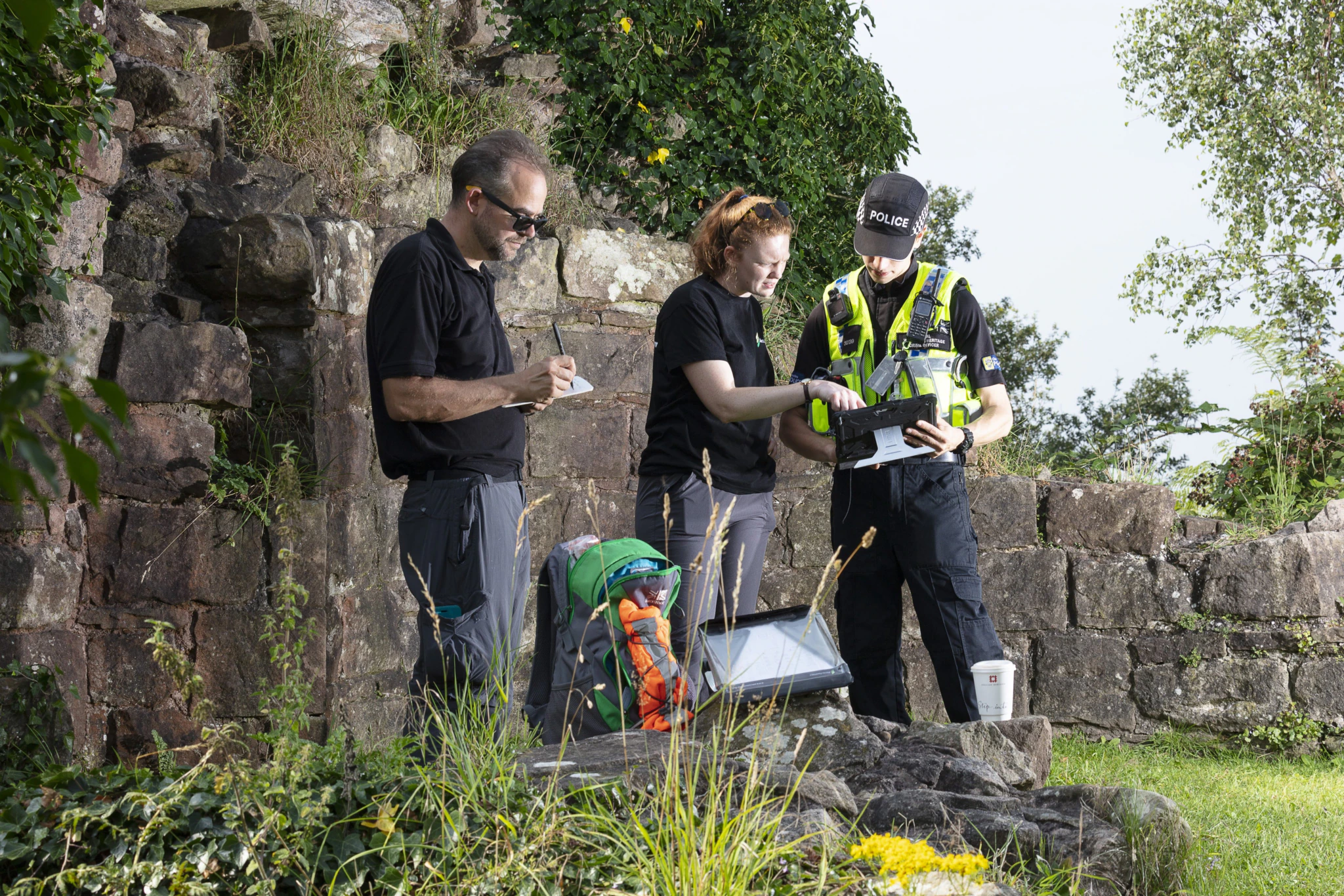
Whether it is the physical abuse of staff, metal theft or property damage such as graffiti, heritage sites across Britain have reported an alarming increase in crime over the past year.
Research by the heritage insurer Ecclesiastical has found that nine in 10 heritage organisations surveyed had suffered a crime in the previous 12 months.
Of the 500 decision-makers surveyed, 35% said they have been forced to close their sites as a result of crimes and 41% said crime had negatively impacted staff and volunteer morale.
Among the more serious crimes on the rise, according to the survey, are physical abuse towards staff and volunteers from visitors; the theft of metal and oil; and damage by vehicles.
Incidents of petty theft have also jumped, with 32% of heritage leaders reporting cases in the past year compared to 27% in 2023.
Those taking part in the survey also said they have seen increases in littering, anti-social parking and visitors refusing to follow instructions.
Advertisement
Seven in 10 of those surveyed say they are more concerned about crime than ever before – and are taking measures to help prevent it with 48% investing in security guards, 35% in security fencing and 30% in additional cybersecurity.
But despite these investments, 61% of the leaders surveyed are still concerned that their venues are easy targets for criminals and 66% believe they need to do more to prevent crime.
Laura Carter, the customer segment director at Ecclesiastical Insurance, said: “Our research shows crime has increased and it’s concerning 92% of heritage organisations have experienced during the past year. There are a number of measures heritage organisations can take to better secure property and assets, which would ideally be a combination of both physical and electronic protection.
“Reviewing perimeter security arrangements, ensuring entry points are well lit and secured can often offer a good first line of defence against unwanted visitors, while CCTV can act as a visual deterrent for those not wanting to be caught on camera.”
Museums Journal recently reported on the rising issue of heritage crime, with recent high-profile cases including the theft of bronze-age gold artefacts from Ely Museum in Cambridgeshire.
A recent report by Historic England and the National Police Chiefs’ Council (NPCC) revealed a rise in certain types of heritage crime between 2020 and 2023, particularly acquisitive crimes, which the report linked to rising inflation and the cost-of-living crisis.
Advertisement
Networks such as the Alliance to Reduce Heritage Crime – a voluntary national network with more than 200 members, including heritage bodies, police services and government agencies – have helped to support the sector.
The alliance played a crucial role in the recent Herefordshire Hoard case, in which two metal detectorists were jailed for almost 10 years each after failing to declare a nationally significant find of Anglo-Saxon coins and instead selling the rare treasures to antiques dealers.
The heritage sector was also involved in the investigation into the felling of the much-loved Sycamore Gap tree on National Trust property in Northumberland last year, for which two men have now been charged.