
In the early hours of 7 May, a pair of thieves broke into Ely Museum in Cambridgeshire and stole two irreplaceable treasures: the East Cambridgeshire gold torc, one of the longest and heaviest torcs ever discovered in Britain; and a bronze-age gold bracelet.
The loss of the 3,000-year-old artefacts has been devastating for the museum and local community. The torc, acquired after a public fundraising campaign in 2017, was described as the museum’s “most-prized object” and was the centrepiece of its recently refurbished prehistoric gallery.

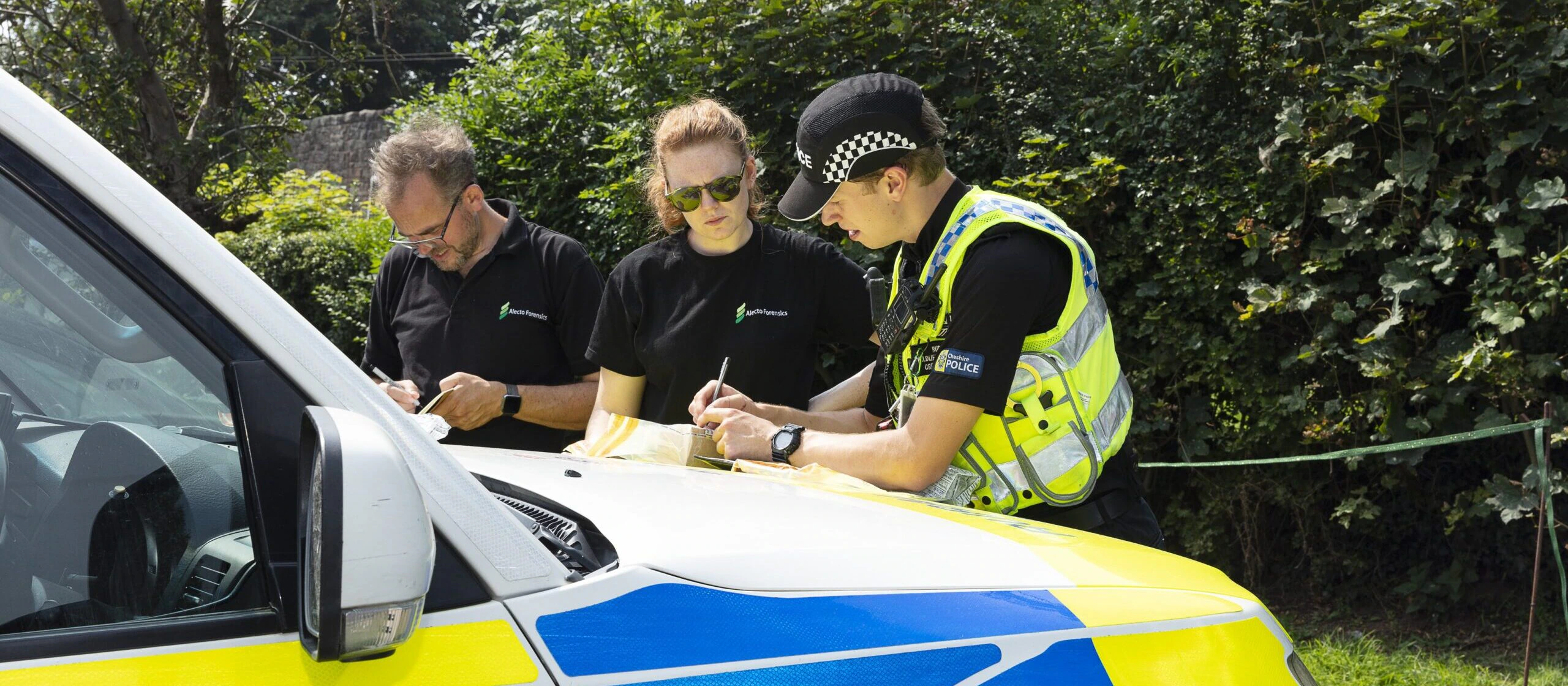
The case, which remains unsolved, underlines the growing threat of heritage and cultural property crime. A recent report by Historic England and the National Police Chiefs’ Council (NPCC) revealed a rise in certain types of heritage crime between 2020 and 2023 – particularly acquisitive crimes, which the report linked to rising inflation and the cost-of-living crisis.
Growing threats
Carried out by crime analysts at Opal, the National Crime Intelligence Unit for Serious Organised Acquisitive Crime, between February 2020 and February 2023, the report outlines several growing threats, including the theft of historic lead and stone, burglaries targeting high-value cultural objects, unlawful metal detecting (also known as nighthawking) and the removal of artefacts from protected wreck sites.
Advertisement
Heritage crime remains under-reported and the real figures are likely to be higher.
“The theft of valuable heritage materials and cultural objects by opportunist offenders and organised crime groups is likely to increase as inflation continues to impact the price of commodities,” says the report.
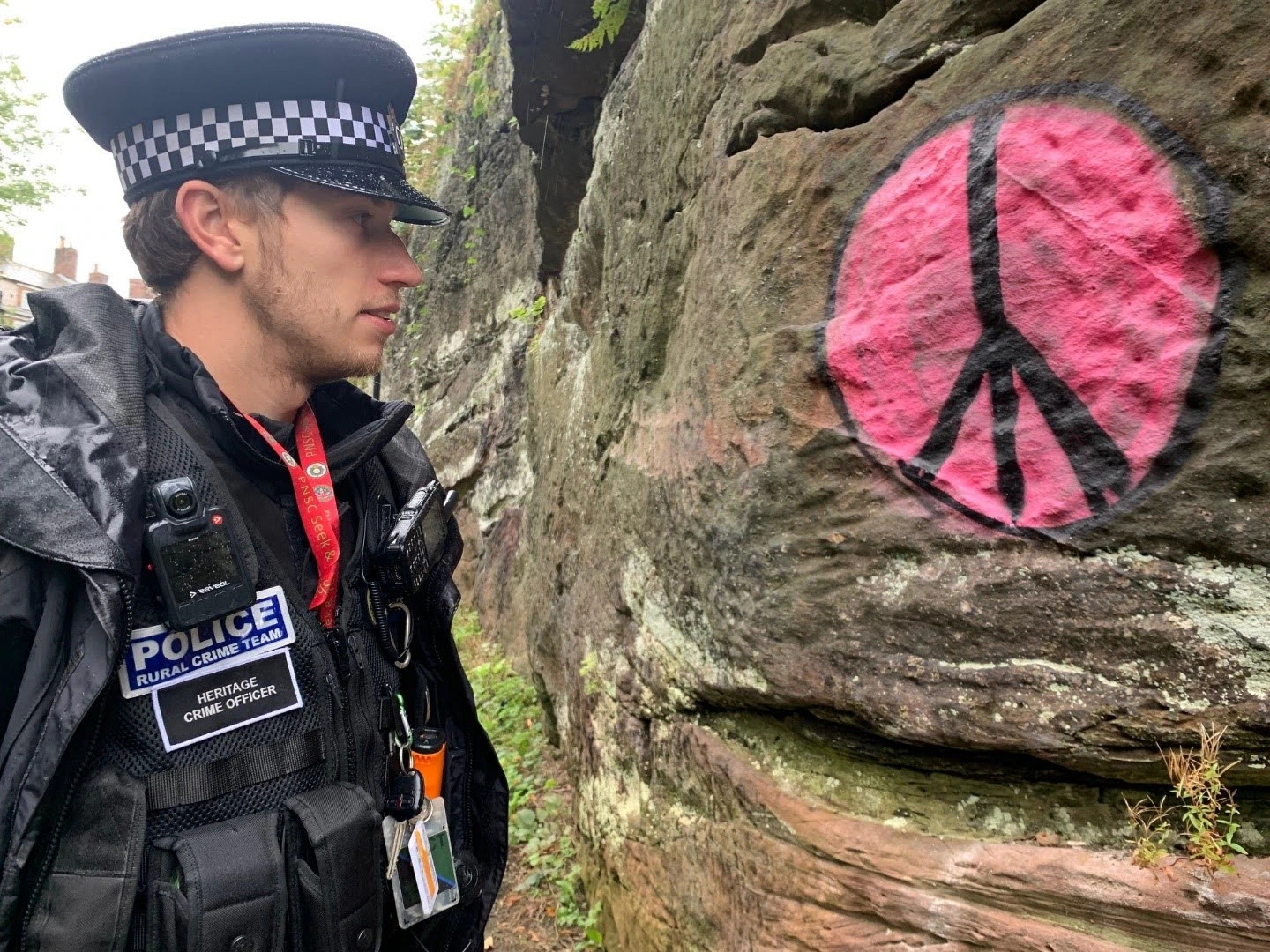
Research by the insurance group Ecclesiastical, meanwhile, has found that museums and galleries are also seeing a rise in low-level criminality such as anti-social behaviour, trespassing, verbal abuse of staff, littering and petty theft.
And although not covered in either report, institutions have also been on high alert following an increase in protest action in museums and galleries, which has seen attacks on high-profile objects and artworks. There also the ever[1]growing illicit trade in trafficked art and antiquities.
These challenges come at a difficult time, as the sector faces a funding crisis that has left many institutions struggling to keep the lights on, let alone spare cash for additional security measures.
Advertisement
Museums, galleries and heritage sites are attractive to criminals for the same reason they are to visitors, says assistant chief constable Rachel Nolan, the NPCC’s national lead on heritage crime.
Cultural heritage institutions are intended to be inclusive and welcoming spaces, and they have a remit to ensure their collections, which inevitably include items of significant value, are accessible to the public.
This can attract the wrong type of attention; Nolan points out that, for example, video tours offered by many institutions during the pandemic were also a boon to burglars, who were able to easily identify entrance and exit points and security weaknesses.
A balancing act

So how can institutions balance their duty to the public with the need to protect themselves? Nolan says building a good relationship with the local police is vital.
Advertisement
“There’s a lot that sites can do,” she says. “We will always look to work with security teams and site owners on how they can make themselves more secure without actually closing down the site.”
Local crime-prevention teams can conduct site surveys and offer bespoke advice. “We try to work with a site’s finances because some are more wealthy than others,” says Nolan.
Despite a rise in some types of crime, there have been significant improvements in how heritage crime is reported, tracked and tackled at a national level, with a more cohesive approach across all of the UK.
“I've had the portfolio for nearly four years and have tried to really get the four different corners of the UK working together, talking to one another, sharing information, much better stakeholder engagement… a few years ago [this] wouldn’t have been as joined up,” says Nolan.
Every police service now has a specially trained heritage crime officer, and there are dedicated heritage leads in all four nations.
“Get to know your heritage crime officer – they have a wealth of knowledge,” Nolan urges.
In a groundbreaking move last year, heritage bodies in England and Wales, along with the NPCC, Crown Prosecution Service and several local authorities, signed a memorandum of understanding to work together to prevent crime and antisocial behaviour.
The approach is paying off. The Historic England report highlights a fall in illegal metal detecting as a result of better communication among heritage bodies and the police, as well as engagement and education among detectorist groups.
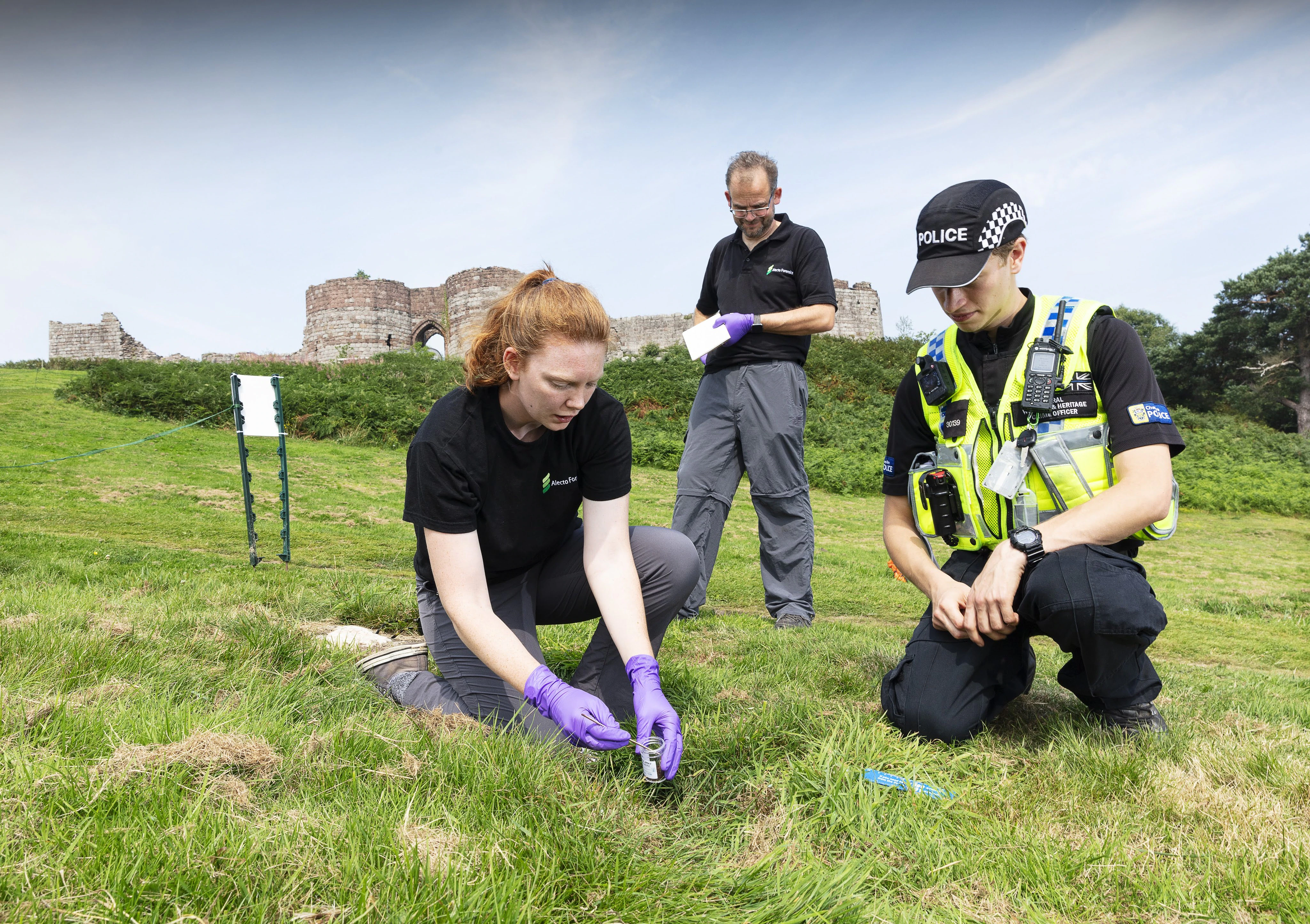
There have also been huge advancements in the way heritage crime is investigated, with police, forensics and academia working together to support prosecutions in a number of high profile cases.
One interdisciplinary Stem group, Heritage & Wildlife Crime Innovation, or Hawc-i, based at the University of Kent, is developing innovative approaches, such as plant DNA and soil analysis, to combat crime in natural and historic environments.
These improvements have come alongside the work of the Alliance to Reduce Heritage Crime (Arch) – a voluntary national network with more than 200 members, including heritage bodies, police services and government agencies – which was established in 2011 to galvanise action against heritage crime.
Huge difference
Mark Harrison, the head of heritage crime and policing advice at Historic England, says the network has made a huge difference.
“The power of Arch is incredible because it brings people with knowledge and expertise, resources, sometimes with powers that we don’t have – you bring it all together and you get a fantastic result,” he says.
The UK-wide network played a key role in the recent Herefordshire Hoard case, in which two metal detectorists from Wales were jailed for almost 10 years each after failing to declare a nationally significant find of Anglo-Saxon coins, instead selling the rare treasures to antiques dealers.
Although much of the hoard sadly remains missing, the recovered treasures went on public display at Jorvik Viking Museum in York earlier this year.
“Could we have investigated things like the Herefordshire Hoard 10 or 15 years ago? We probably would have done something. But would it have resulted in 20 years in jail? Probably not,” says Harrison.

As with any area of law-breaking, it’s always a race to stay one step ahead of the criminals. Heritage crime stakeholders are seeking a number of changes in law and policy, including making “loss or damage caused to heritage and/or cultural assets” an aggravated offence in the sentencing process and introducing a heritage marker in crime reporting.
Historic England aims to become a named body in the Crime and Disorder Act, giving it more power to enforce legislation compliance.
Community heritage initiatives are being trialled in many areas. A number of forces have enlisted heritage horseback volunteers, local riders who keep an eye on rural or isolated heritage sites and report any suspicious behaviour; heritage watch schemes are also in place in some areas.

These local engagement measures are vital, says Harrison. “If you start to react to people's concerns, to what some people will call low level nuisance, and you deal with those things, all of a sudden they're coming to you with big intelligence.
“Clearly, we won’t stop all crime,” adds Harrison. “But we’re in a much better position now than we were when we started.”
Recent criminal acts
Theft of silverware from Nottinghamshire Yeomanry Museum
A large haul of antique silverware was stolen from the museum in October 2023 after thieves drilled through the floor to gain access to the display case. A man has since been arrested.
Burglaries at museums in South Yorkshire
A spate of burglaries took place at museums in the county last year, with items stolen from Kelham Island Museum in Sheffield, Clifton Park Museum in Rotherham and Sheffield Assay Office
Damage to Didcot Railway Centre in Oxfordshire
The heritage railway museum was left in disarray following a break-in that happened in April 2023, with windows and furniture smashed and fire extinguishers set off. No artefacts were taken and it is believed that the burglars were searching for cash.
Vandalism of statue at Croome Court in Worcestershire
A 230-year-old statue of the Roman nymph Sabina was vandalised with blue crayon at the National Trust property in April 2023. The statue has been fully restored.