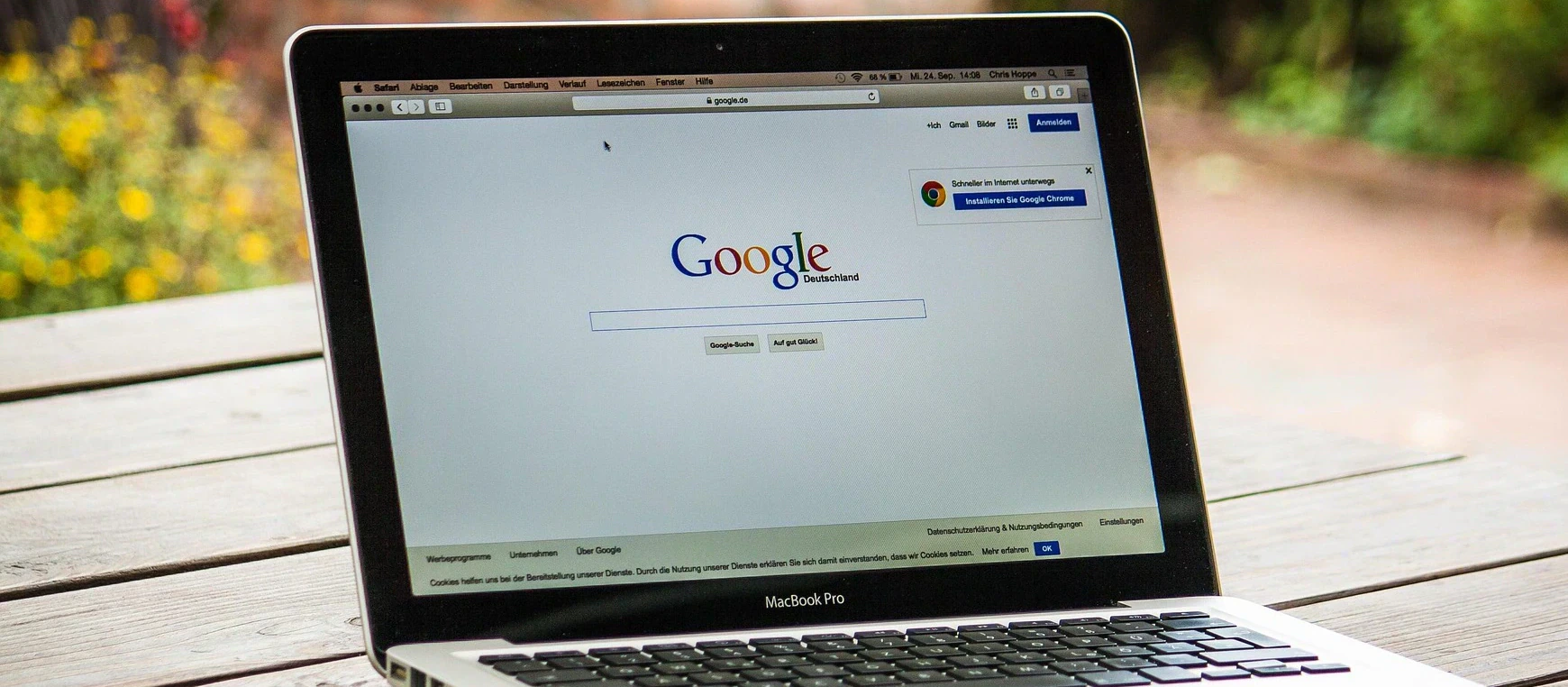
A family planning a half-term day out no longer has to open your website. They can ask Google, ChatGPT or Gemini which local museum is free, open on a Monday and step-free, and get a confident paragraph back.
Often that answer is right. Sometimes it is a year out of date, and the first your team hears of it is a disappointed family at a locked door.
The shift has been fast; Ofcom's Online Nation report for 2025 found that about 30% of Google searches now show an AI overview, and 53% of UK adults say they see these summaries often.
ChatGPT received 1.8 billion UK visits in the first eight months of 2025, up from 368 million in the same period a year earlier.
Accuracy has not kept pace. In October 2025, a study coordinated by the European Broadcasting Union and led by the BBC tested ChatGPT, Copilot, Gemini and Perplexity on more than 3,000 news questions.
Some 45% of answers had at least one significant issue, and 20% contained major accuracy problems, including outdated information. That study looked at news rather than museums, but the failure it describes is the one that matters here: an assistant repeating something that used to be true.
Advertisement
As Hannah Barton wrote in Museums Journal in September, visitor questions are answerable by an AI overview, "providing of course, the source content being drawn on is correct".
That proviso is the part museums can act on – you cannot edit ChatGPT, but you control much of what it reads.
Getting started
Start with the questions front-of-house already answer
Ask visitor services staff for the 10 questions they hear most. They will include opening days, last entry, admission charges, step-free access, parking, baby changing, whether dogs are allowed and whether a named object is on display. This list is your test set. It reflects real demand, not what the marketing plan assumes people want to know.
Ask the assistants, and keep the receipts
Once a month, put those questions to two or three AI assistants. Use a fresh chat or a private window each time. Record the date, the assistant, the question, the answer and whether it was right. A shared spreadsheet is enough. Answers vary from one run to the next, so a single check proves very little – the pattern over several months is what counts.
Advertisement
Look at where the answer came from
Many assistants now show their sources. When an answer is wrong, the cited page is usually the culprit: an old tourism listing, a third-party "things to do" article, a Wikipedia entry or a Tripadvisor page. Note it in your spreadsheet. That tells you which fix to make first.
Fixing the facts you control
Put the visiting facts in one plain, current place
Your visit page should state, in full sentences, your opening hours including seasonal closures and bank holidays, last entry, prices or free entry, access information and facilities.
Say closed days outright ("We are closed on Mondays except bank holidays") rather than leaving them to be inferred. Add a "last checked" date. AI tools favour clear, specific statements over a PDF leaflet or an image of a timetable.
Advertisement
Make the rest of the web agree
AI assistants cross-check. If your website says one thing and your Google Business Profile says another, you are inviting a muddled answer.
Check Google Business Profile, Bing Places, Apple Maps, regional tourism sites, Art Fund and similar listings, Tripadvisor and Facebook. Keep a list of every listing you manage and who owns the login. For Wikipedia, follow its conflict of interest guidance and suggest corrections on the talk page rather than editing directly.
Retire old information properly
Ended exhibitions, temporary closures and past events are a common source of wrong answers. Mark past exhibitions clearly as ended, with dates, rather than leaving a page that still reads as current. When a closure notice is no longer true, take it down or update it. A page saying "the museum is closed for refurbishment" can outlive the refurbishment by years.
Watch objects on loan
"Is your best-known painting on display this weekend?" is exactly the kind of question an AI assistant will answer from an old article. When a highlight object goes on loan or into storage, update its collection page and your visit page to say so, and include dates.
Answer the questions in your own words
A short frequently asked questions section on the visit page, written as the questions visitors actually ask with direct one-sentence answers, gives assistants something clean to quote.
If your web team can add structured data (the schema.org "Museum" type, with opening hours), it helps machines read the same facts without guessing. This is a small technical job, not a redesign.
Evaluating your success
Measure accuracy, not just clicks
Traffic from AI tools is still small and much of the value is invisible: a visitor who got the right answer may never click through. Report the percentage of test questions answered correctly each month, and record the right answers as well as the wrong ones. That gives trustees and managers a meaningful number.
Close the loop with front-of-house
Ask visitor services to log any "the AI told me…" conversations, good or bad. These are early warnings, and they often surface problems your test set missed.
Expect weeks, not days
When you correct a source, AI assistants do not update instantly. Some changes show within days, others take several weeks as pages are re-read. Keep checking, and be wary of anyone offering to guarantee what an AI will say about you. Nobody can.
A realistic view
None of this replaces a good website or a well-run Google profile; it builds on them. Most visitors still arrive through familiar routes, and AI search is one more door into the museum.
But it is a door that answers on your behalf, at any hour, without asking you first. A monthly half-hour check is a modest price for knowing what it is saying.
When did your team last ask an AI assistant when your museum opens?
Simon Young is the founder of Question.Marketing, an answer engine optimisation consultancy based in Doncaster. He has published on answer engine optimisation since 2019.