Adam Zombory-Moldovan
Director, ZMMA
The architect and exhibition design firm, ZMMA, has transformed Poole Museum — whose buildings, originally converted in the 1970s and 1980s, were in a decaying state with poor accessibility, inadequate environmental control, high energy consumption, with lacklustre displays and interpretation — to create a vibrant cultural and community destination, with engaging narratives and displays.
The museum comprises a range of interconnected historic buildings, ranging from a mediaeval warehouse, through 18th and 19th century mill buildings, to 20th and 21st century extensions. The historic construction is principally stone, brick and timber, with the buildings listed Grade 1 and Grade 2.
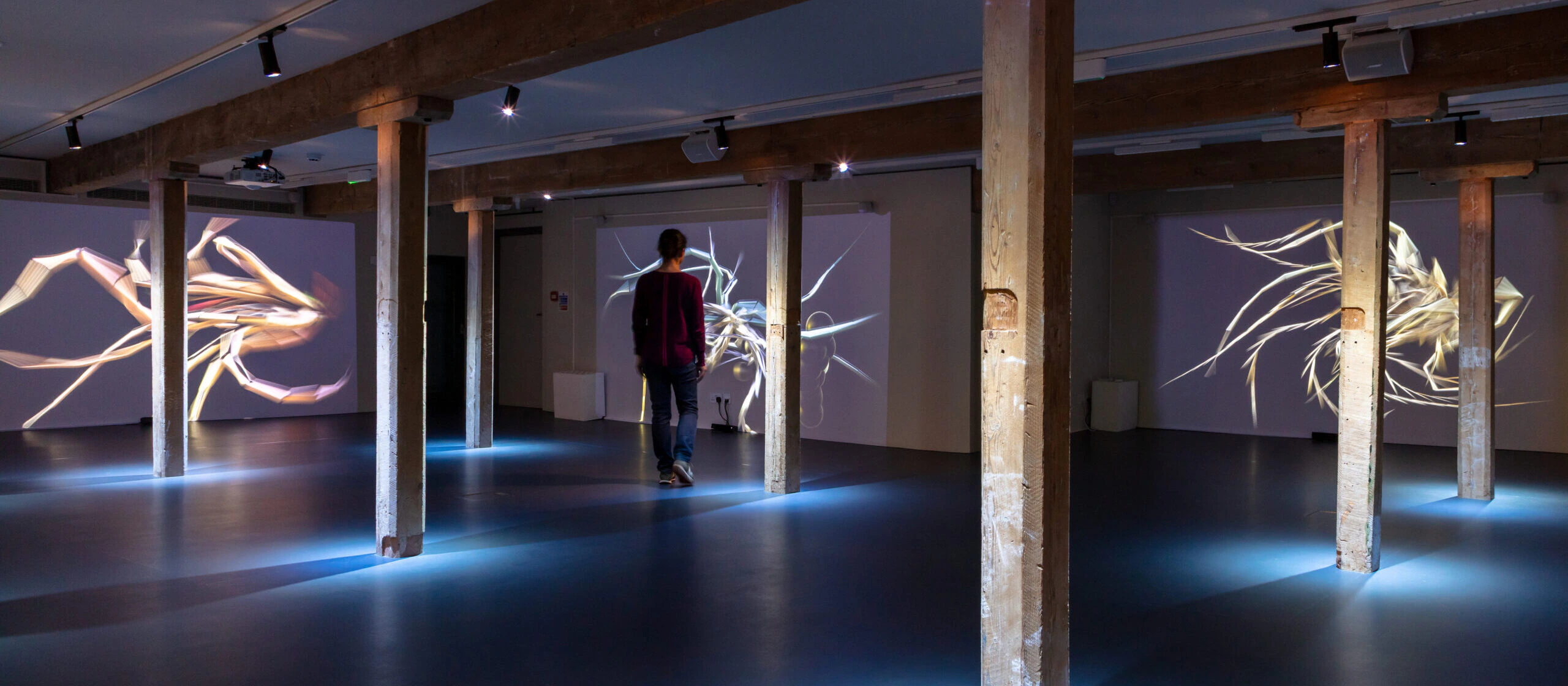
ZMMA valued the robust, simple forms of construction, including mediaeval stonework and an astonishing six-storey structural timber framework.
Our design decisions were premised on retaining and making as much of this as possible visible and exposed, to provide an atmospheric setting that resonates with the new permanent exhibitions of maritime archaeology, ceramics and art.
Advertisement
Our approach to decarbonisation focussed on low-embodied energy construction (including waste reduction) and reducing operational energy consumption.
There were three key stages in our decarbonisation of Poole Museum’s historic buildings campus, which underwent a five-year deep retrofit and building conservation scheme, together with a comprehensive new fit-out of the permanent exhibition galleries.
First, there was an enabling works project aimed specifically at improving the energy performance of the historic structures; second, carbon-efficient decisions were made in the alterations and new works to the historic buildings; and third, there was a focus on sustainable materials selection in the exhibition fit-out design.
With the support of a government-backed funding package (Salix Finance), we carried out a decarbonisation project achieving 25% reduction in operational energy use through improving the thermal performance of the building envelope. This work was done around a year before the main transformational project.
Thermal modelling was conducted by environmental engineers, Max Fordham, to establish the existing and target thermal performance, assessed on a holistic basis.
We carried out a careful analysis of where insulation could be added without compromising the historic fabric – none could be added externally, and we aimed to retain the exposed historic brickwork and stonework internally as much as possible. Internally, selected areas were insulated, where this fitted with the gallery designs.
Advertisement
For significant overall insulation improvements, this first stage included re-roofing the clay, stone and slate roofs to provide build-ups that included wood-fibre sheathing panels and sheep-wool insulation to maintain a traditional, breathable construction.
Recycled tiling and slates were used, and photovoltaic solar tiles (that look like slates) were included. Comprehensive installation of double-glazed windows contributed to significant thermal improvement.
Following this initial decarbonisation scheme, the main architectural base-build project included significant alterations to make all parts of the museum universally accessible, as well as stripping-out inappropriate former subdivisions and accretions, and creating six new galleries along with a range of other museum spaces.
With Max Fordham, ZMMA developed low-energy strategies for the environmental control system, taking a balanced approach, combining simple conservation heating with tempered air handling and passive ventilation.
Relative humidity (RH) and temperature parameters were established that suited both the demands for care of the maritime archaeology, and the historic building fabric, while limiting carbon production.
This allowed us to put important wooden archaeological objects, including a remarkable iron-age log-boat, on open display, and GIS conditions were achieved in the temporary exhibitions gallery.
Advertisement
In ZMMA’s architectural choices we made strategic decisions about materials, with a carbon-negative timber-first approach for structure, which chimed with the historic timber construction.
For flooring and paving we used locally-quarried Purbeck stone, timber boarding, traditional linoleum and recycled terrazzo tiles. We minimised the use of steel and, instead of cement and concrete, used lime-based materials.
We repurposed ‘waste’ materials - for example, existing oak wall cladding was salvaged and reused. These decisions were fundamental to creating an architectural language for the museum’s transformation that was consistent with the significance and historical value of the existing structures, while delivering low-carbon outcomes.
In the project’s exhibition fit-out stage we also adopted a timber-first approach and made use of recycled, recyclable, and low-carbon materials in the exhibition design.
Display plinths and panels were constructed from Richlite, a rigid panel material made from layers of recycled paper. Graphic panels were made variously of Richlite, recycled aluminium, cotton calico, plywood and recycled cardboard.
We minimised the use of plastics (including paints containing plastics), used steel very sparingly, instead using aluminium for most metalwork, and avoided powder-coating wherever possible.
For the ceramics gallery, we designed a flexible display system made from triply, a layered spruce timber panel material, with object support blocks of natural cork.
A guiding principle was to use robust finishes and construction that would be long-lasting, low maintenance and, when finally needing renewal, would be part of a circular materials economy.
For example, the use of uncoated aluminium would enable it to be effectively 100% recycled, and Richlite display and graphic panels can be refinished and reused. Extensive use of timber has added significant stored carbon to the buildings.
We also installed exposed electrical and other services throughout, which can be maintained and upgraded without disturbing the building fabric.