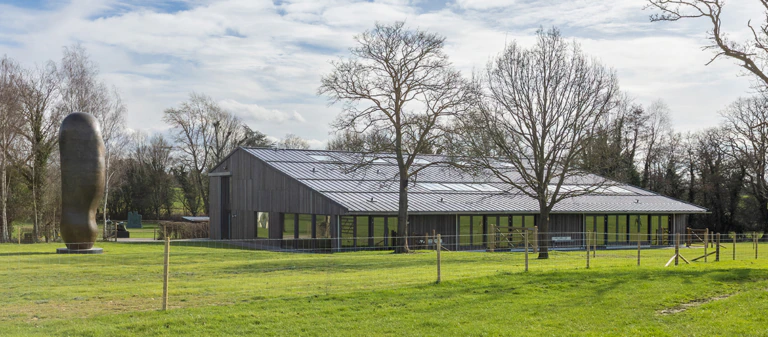
Just a stone’s throw away from a beautiful quay in Dorset, with a natural harbour, wildlife and pleasure boats, you will find Poole Museum. The venue reopened in November last year following a £10.3m seven-year redevelopment.
The project has seen the conservation, remodelling, and restoration of all three of the museum’s historic listed buildings: Oakley’s Mill, Scaplen’s Court, and the medieval Town Cellars. I visited two of the sites.
The first is the main museum, housed in Oakley’s Mill. Looking clean and contemporary, the large glass frontage protrudes from the Victorian Mill and invites the visitor in. The newly levelled paving and ramps makes it accessible to all, which it continues to be throughout the space.
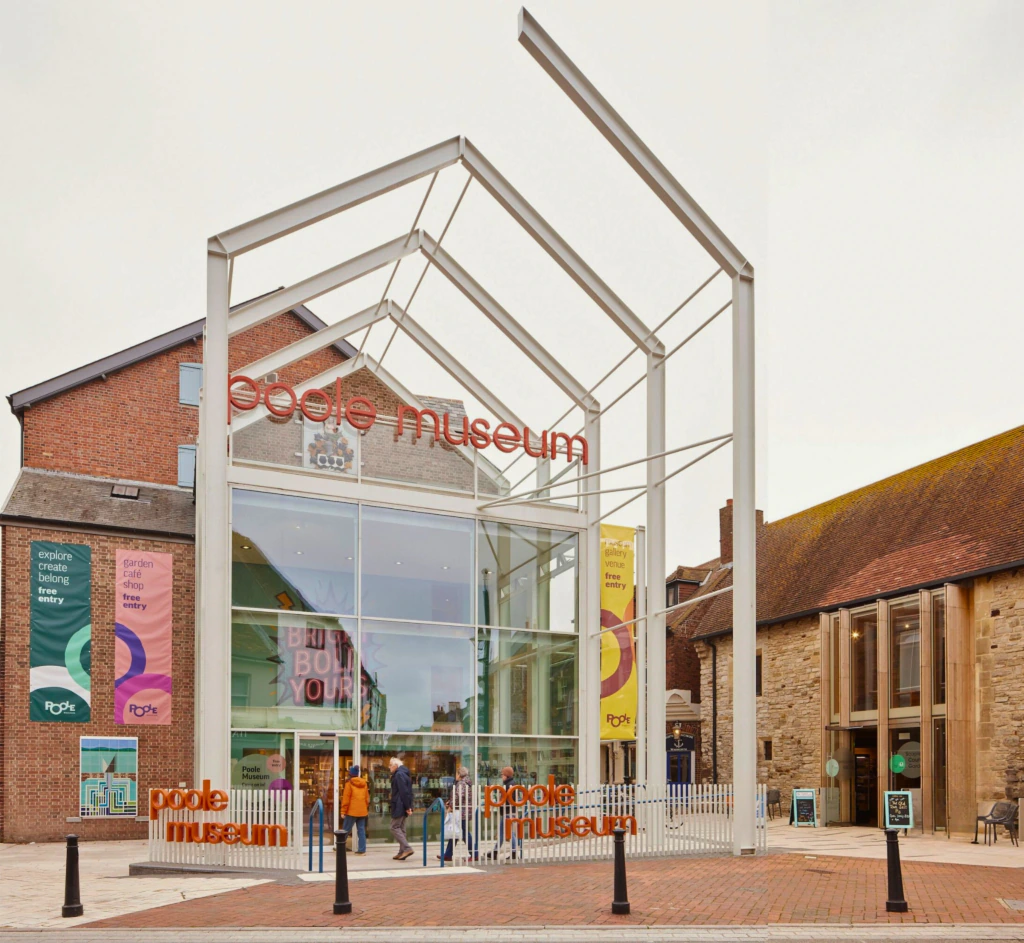
Visitors then walk past a shop with lots of interesting items that might well be purchased later, to be greeted by an enormous, pink and blue sign that states “Bright Bold Yours”. This, along with the sleek new gift shop, adds to the modern feel.
The friendly staff behind the counter welcome you to the museum. Entry is free, |but you can buy a selection of children’s trails from £2.50-£4.50. The cheapest trail encourages children to spot little wooden penguins in the museum to win a sticker, while the more expensive trails give children (and adults) a deeper understanding of the second site, Scaplen’s Court, which is next door.
Advertisement
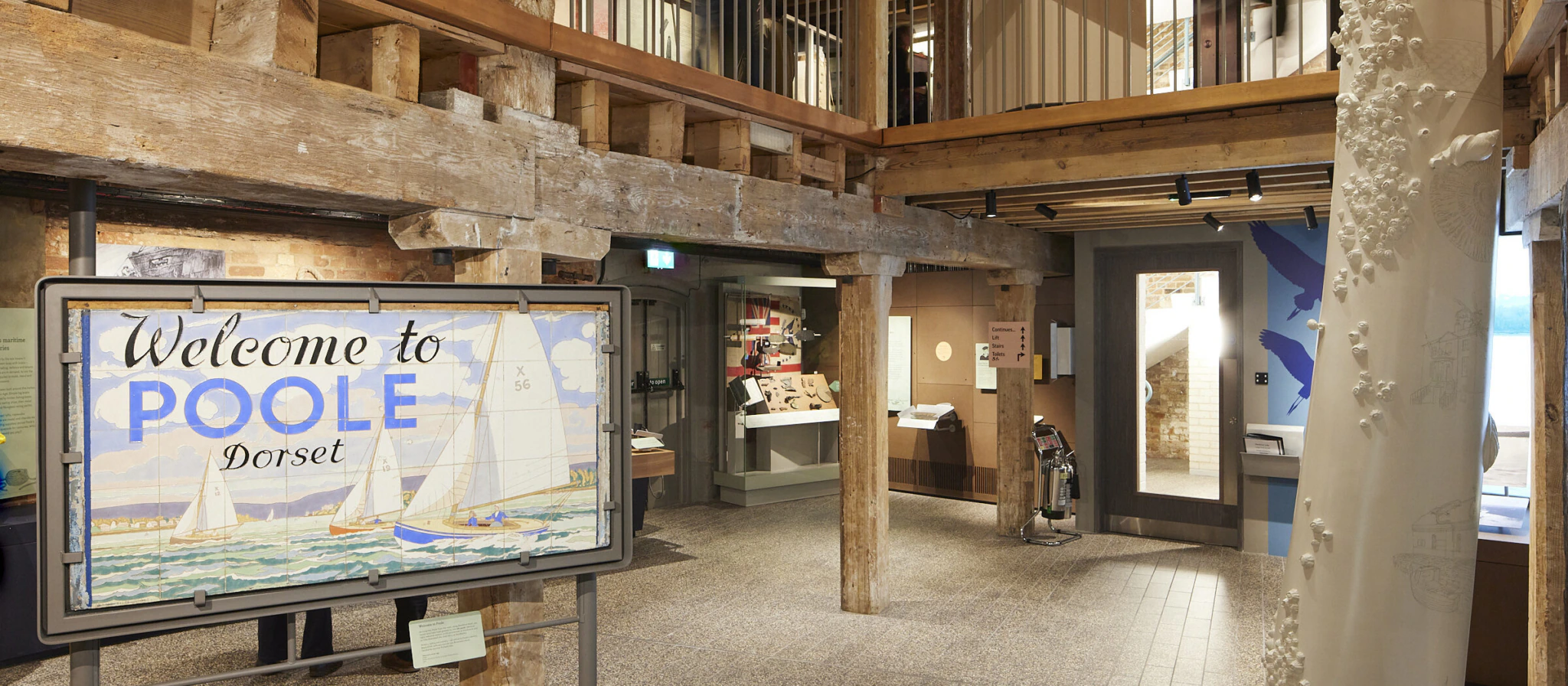
Oakley’s Mill is spread over five floors, with a clear theme for each one. The building has been opened up, highlighting the beauty of the structure and inviting exploration around the aged beams, encouraging visitors to gaze up to the floors above.
The ground floor focuses on the maritime history of Poole and is titled Harbour Life. The first thing I noticed was a group of children dressing up as sailors. An assortment of hats, life jackets and coats with mirrors at varying heights makes this a fun activity for families. I would have liked dressing up in all the galleries, but this was the only place.
A case exhibiting items from the Royal National Life Institute (RNLI) stands nearby, one of several collaborations with charities. Another is a display of taxidermy birds, which will change seasonally. Here, you can read about the charity Birds of Poole Harbour’s conservation projects.
Local stories
Other museum collaborations include workshops with local people to create artwork, trialling interactives with local schools and working with universities. The interactive Sound of the Sea exhibition, which finished on 26 January, featured a giant digital sea creature made by Marpi Studio that responds to your movements. It was fascinating to watch a young boy spend his time dancing around in front of the screens that took up the entire space.
The museum has been completed to a very high standard. Everything and everybody have been considered, and accessibility has evidently been at the forefront of all decisions. There is an accessible toilet on three of the floors, a newly installed lift, levelled flooring throughout, seating in most galleries, state-of-the-art audio devices with braille interpretation and large-print guides in every exhibition.
Advertisement
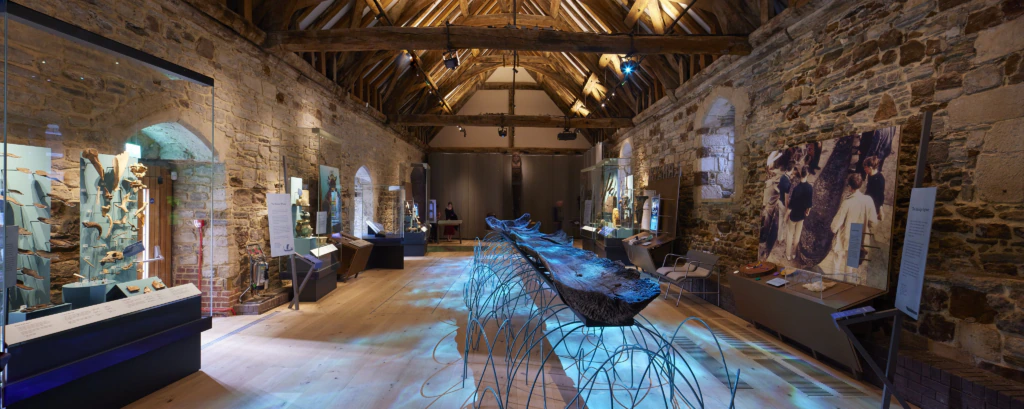
Many items are on open display, which allows visitors to get up close to the artefacts but raises conservation concerns – despite the playfully worded signs that ask people not to touch. Next to these are gold circular signs encouraging touching, which can be confusing, but does create a tactile experience. However, the iron age logboat perched on top of a movable metal wave structure was concerning and might need a rethink during busy periods.
Focus on: Gallery architecture and design
The historic fabric of Poole Museum’s four permanent galleries, with their stone, brick and timber, offered exciting exhibition design opportunities. We used sustainable materials, touching lightly on the listed building fabric and developing links between the objects, stories and architecture.
The Harbour Life gallery charts the history, ecology, and use of Poole Harbour’s resources. The exhibition is woven through the ship-like frame of the 18th-century mill, with a back-lit wall of seascape photography as a backdrop to the displays. Many objects are on open display, and the use of bold graphics and tactile interactives make the collection accessible.
Shipwreck! is in the medieval wool warehouse – a stone barn-like space with an oak roof – we enjoyed its parallels with the display of archaeological ships’ timbers. The centrepiece is an iron age logboat, floated on a wave-like metal structure. We also used projections to, for instance, show a diver retrieving objects from the seabed. There are also hands-on and AV interactives.
Setting Sail tells Poole’s story of global trading and the stories of life onboard. Large, hands-on interactives engage visitors with sailors’ activities and the objects and myths of their fears at sea. The challenging story of Poole’s connections with Newfoundland’s Beothuk community is presented through a wooden structure inspired by architecture in the region.
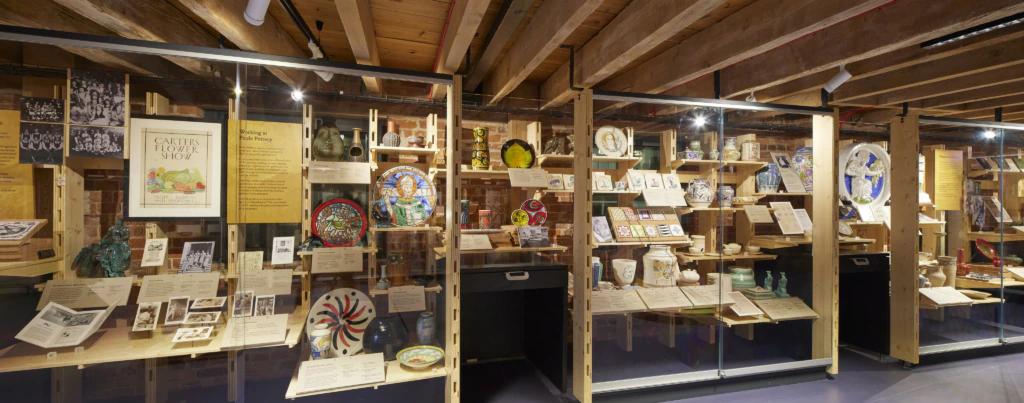
Poole Creates! celebrates Poole’s significant pottery history and the town’s art collection. We’ve created an atmosphere of a ceramics workshop and showroom for dense, object-rich displays, alongside an art gallery.
Adam Zombory-Moldovan is a director at ZMMA
I saw several “crew” chatting to visitors and pointing out key objects. My favourite was a wooden hippo slide from the local shopping centre, which brought back cherished memories. A display of wreckage curated by the museum’s Young Archaeologists’ Club was brilliantly executed, and I would like to see more museums take this approach.
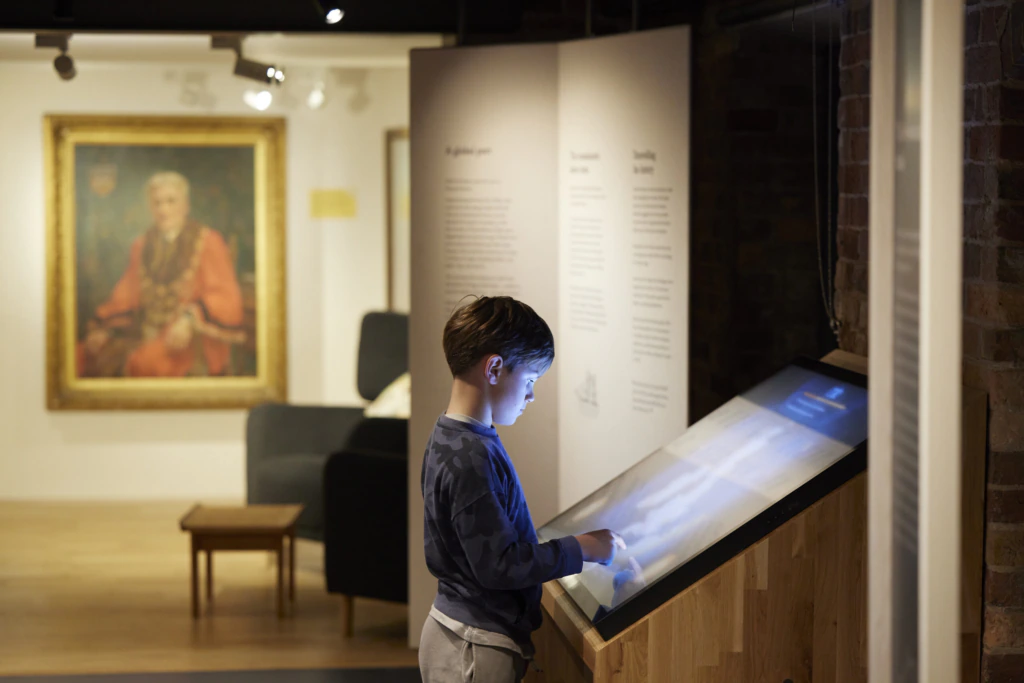
The sense of community engagement at the museum is evident, with a research space containing comfy chairs and a big “Everyone is Welcome” sign. The Behind the Scenes collections team room has a large window and open-door policy so that visitors can see the conservation and exhibitions team at work.
The gift shop, as mentioned, is cleverly positioned at the entrance attracting passers-by. Most of the merchandise is from Dorset, and the museum has worked with local companies to produce quality products that make this a great shop for holiday gifts. However, I would have liked to have seen pocket money items for children as the few toys on offer were more expensive.
Advertisement
For something to eat, head next door to Scaplen’s Court, once a medieval merchant’s home. The cafe is run by Dorset cafe chain The Salt Pig. The food is incredible, with soup, open sandwiches, sausage rolls and a range of colourful salads on offer, all locally grown and sourced, as well as delicious coffee and cakes. It is reasonably priced to reflect the exceptional quality of the food, but a children’s menu might entice more families to try it.
After eating, you can explore Scaplen Court’s beautiful walled garden and building. There are accessible toilets on the ground floor, and stairs and a lift to reach the top floors. The building has been stripped back to allow visitors to see the history of the infrastructure (see box).
There is no interpretation in this building so, if you would like to know how these rooms would have been used and which interesting things to look at, I would urge you to buy the children’s trail from the main museum.
I would highly recommend a visit to Poole Museum. It would appeal to locals looking to learn about the history of Poole, but it is also a well put together collection for museum enthusiasts, being the perfect blend of a traditional museum with modern influences and up-to-date technology and interactives.
The museum curators are still collecting items and with ever-changing exhibitions this is a museum that you could revisit multiple times.
Claire Cooper is the senior education officer at the Tank Museum, Bovington, Dorset
Project data
Cost
£10.3m
Main funders
Alice Ellen Cooper Dean Charitable Foundation; Arts Council England; Bournemouth, Christchurch and Poole Council; Fine Family Foundation; Finnis-Scott Foundation; Garfield Weston Foundation; Headley Trust; Hendy Foundation; Historic England; National Lottery Heritage Fund; Pilgrim Trust; Poole Arts Society; Poole BID; Poole Museum Foundation; Poole Museum Society; Steel Charitable Trust; Talbot Village Trust; UK Government; Valentine Charitable Trust; Wessex Museums; Wolfson Foundation
Main contractor
Greendale Construction
Architect and exhibition designer
ZMMA
Exhibition fit-out main contractor
Marcon Fit Out
Showcases
Reier
Project management
PT Projects
Engineering
Max Fordham
Structural engineering
Morton Partnership
Principal design
Quoin Consultancy
Heritage research
Terrain Archaeology
Inclusive design and access
Access Matters UK
Stonemasonry
Albion Stonemasons
Object mounts
Orbis Conservation; Colin J Lindley
Art Handlers
Out of the Blue Fabrications
Graphics subcontractor
Leach
Interactives subcontractor
Aivaf
AV hardware and software
DJW Projects
Rebrand
Zap Creative; Loveable Creative
Admission
Free to Museums Association members