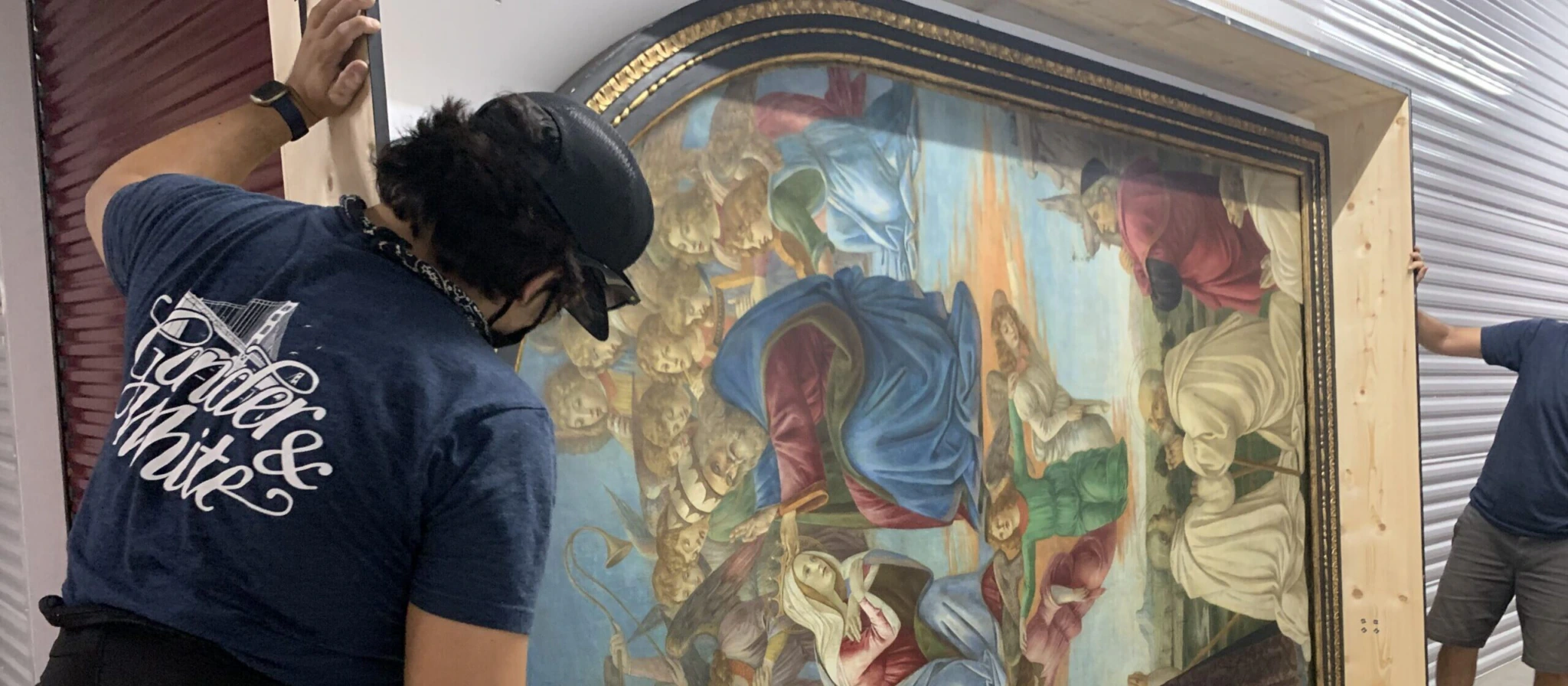
Before the doors to any major exhibition open, a complex logistical chain is already in motion: loan agreements are finalised, customs processes expertly navigated and priceless artworks carefully transported and installed.
As museums expand their reach through cross-continental exhibitions and collaborations, another story is quietly unfolding behind the scenes: the evolving approach to how we move art around the world.
Transport, particularly air freight, remains one of the most significant contributors to emissions in the cultural sector. According to the Culture, Climate and Environmental Responsibility report produced by UK non-profit Julie’s Bicycle, travel (including the movement of both freight and personnel) is among the largest impact areas contributing to high carbon emissions.
Encouragingly, the sector is listening and responding, with sustainability becoming increasingly embedded in everyday conversations.
Working alongside carbon consultant Planet Mark, Gander & White (a global provider of art storage and shipping) is now four-years Planet Mark certified meaning we are measuring and actively finding ways to reduce our emissions and looking to navigate a path to net zero.
We are also a member of the Gallery Climate Coalition, a global community of arts organisations committed to environmental responsibility, a collaboration that is vital for driving meaningful, lasting change across the cultural landscape.
Advertisement
Circular economy
Rokbox Loop was launched in 2023 in collaboration with Rokbox reusable crates and Switzerland-based fine art shipper Haas & Company.
Utilising the circular economy, Loop allows clients to hire Rokbox crates from a network of global hubs, removing the need for empty crates to be returned to their point of origin. Add in the fact that some of these crates can be used hundreds of times and the result is significant savings both in terms of cost and emissions.
This is a simple, scalable solution that an increasing number of museums are open to considering. While wooden crates remain widely used across the industry, these new options represent the kind of practical solutions the sector increasingly needs.
There are other ways to reduce the environmental impact of moving and storing art when - such as integrating energy saving measures like solar panels, switching to green energy tariffs, and incorporating advanced climate and humidity control system into building plans. These measures have already reduced energy consumption in our London facilities.
Like many organisations, these conversations have become more embedded in project planning and conversations around infrastructure. In Miami, where the effects of extreme weather are becoming more acute, our new facility focuses on insulation and energy efficiency. Making these considerations part of the initial planning process contributes to broader efforts to shift sector norms towards more sustainable practices in the care and preservation of art.
Creating a more sustainable art ecosystem isn’t about radical overnight shifts. It’s about steady, thoughtful progress and finding the right balance. It means asking the right questions early on, ensuring environmentally responsible options are part of the conversation, and making informed choices. By committing to these changes together, we can move toward a more sustainable future.
Alexander Bradford, is the global business development and sustainability director at Gander & White, a global art storage and shipping company