A logo is more than just a design – it’s a powerful visual shorthand for your identity, history and values.
Logos have existed in some form for centuries. Whether it’s showing allegiance with a flag on the battlefield or representing social status with a royal seal, a logo encapsulates who you are and what you stand for.
Understand your brand values
Clarify your brand values before starting the logo design process. These define your identity and what you represent. If you’re an individual consultant or freelancer, you might want to consider working with a coach or mentor for support with this. Organisations might want to hire a freelancer or agency that specialises in branding.
You can find firms via the Museums Association’s Find a Supplier tool, the Arts Marketing Association freelancer directory or the Group for Education in Museums Supplier List.
Think twice before changing your existing logo
Avoid changes simply to “keep things fresh” or to make you stand out more. A logo’s primary role is recognition – and drastic changes can confuse your audience.
Advertisement
Instead, focus on iterative updates. Subtle tweaks preserve familiarity while keeping your brand relevant.
Change only when it reflects something bigger
A rebrand is necessary only if your organisation is undergoing a significant change. This might be a major capital programme, or a shift in structure, values, products or audience.
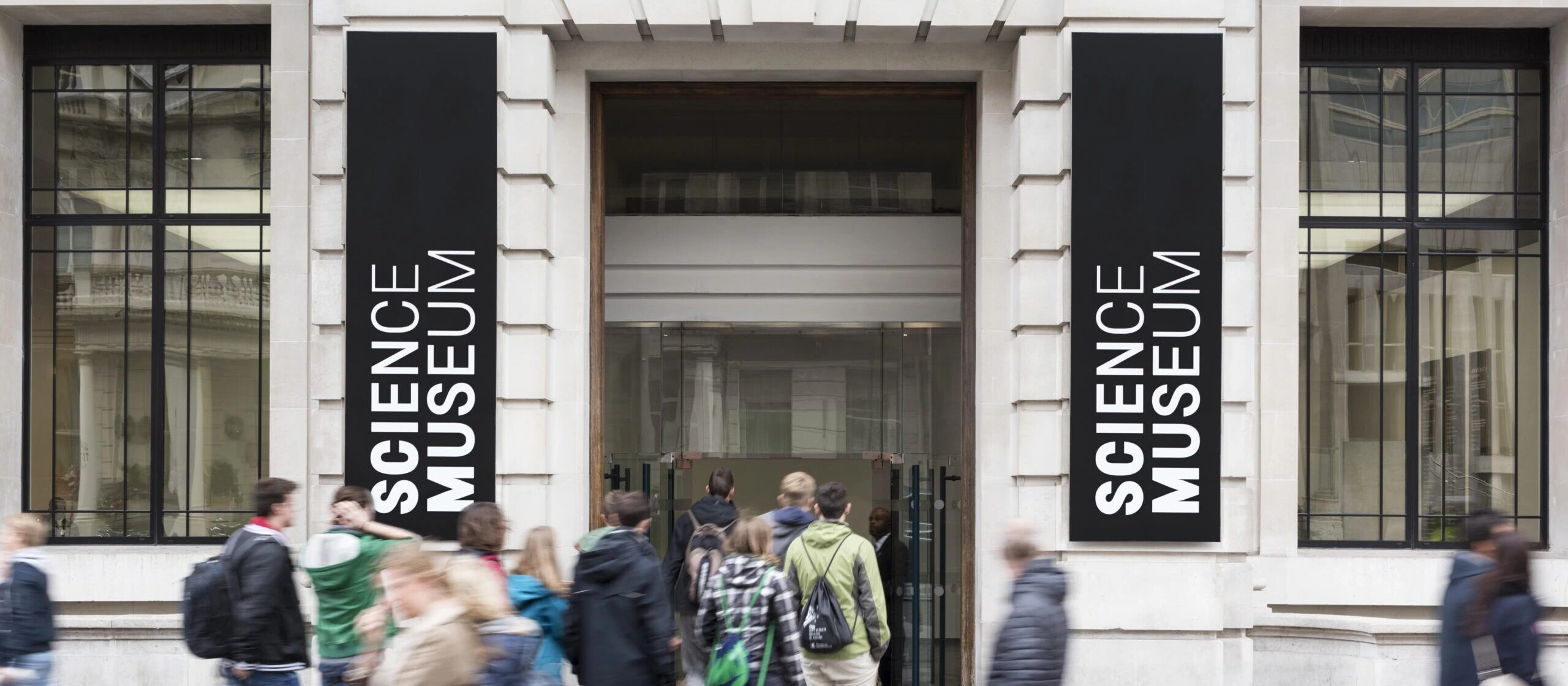
For example, in 2017 the Science Museum Group redesigned its logos to align with unified brand values across all five museum sites. The new design aimed to give its venues a visual cohesion and convey a “shared vision”.
Consider the costs of changing your logo
Redesigning a logo isn’t just about the design itself. Before undertaking a rebrand, think about everything that features your logo – from websites to signage, stationery and merchandise. These updates can quickly add up. Make sure to budget for these costs if you’re committed to a redesign.
Advertisement
Trust the experts
Working with a design studio, freelancer or branding agency can bring outside perspectives to a rebranding project. Experienced designers will ensure your logo is practical, usable and audience friendly.
When briefing a designer/agency, don’t “mock up” a logo in Paint/PowerPoint/Canva. This is a sure-fire way of getting a result you want rather than one you need. If you want to supply visuals, then create
a mood board.
And remember…
If someone says, “A seven-year-old could have drawn that”, take it as a compliment – simple logos are often the best. Somebody will always criticise a new logo, but be confident in your decisions.
Matt White is the director at Catlips Creative, is a graphic designer and video editor