In the 19th and early 20th centuries, millions of emigrants flowed through the port city of Rotterdam, on the Maas River, as they began their journey to North America. Among them were people whose names would become legendary, such as Albert Einstein and the artists Willem de Kooning and Max Beckmann.
As international trade routes developed, the city – often described as the gateway to Europe – also became home to vibrant new immigrant communities, including the first Chinatown in mainland Europe.
Bombing in the second world war reduced much of the city to rubble and postwar it gained a reputation as a place of architectural innovation.
This rich and complex history makes Rotterdam an ideal location for the new Fenix Museum of Migration, an international art museum that opened in May 2025.
The Fenix is housed in a 1922 shipping and storage building, the largest in the world at the time of its construction, which had fallen into disuse by the end of the 20th century.
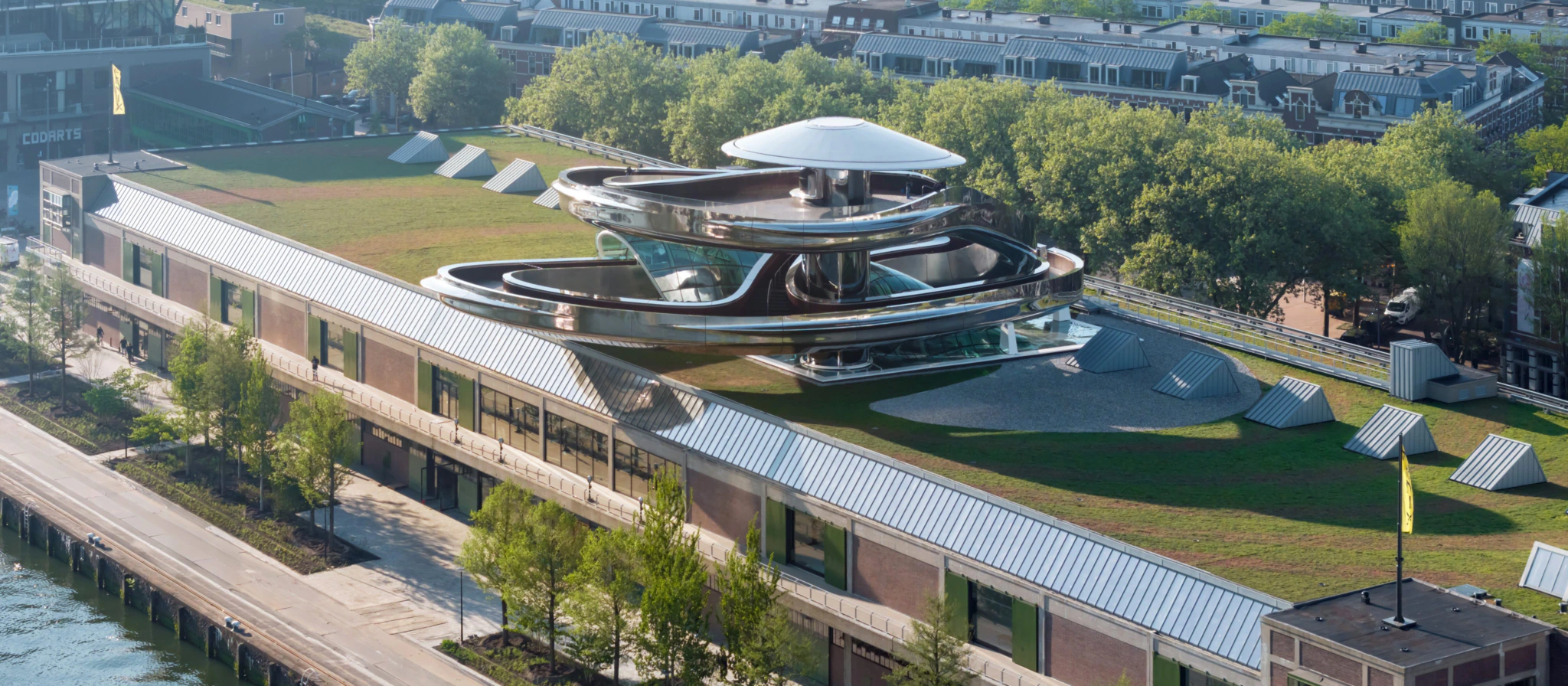
This 16,000 sq metre space has now been transformed into a museum that preserves the original architectural character of the dock building while introducing a dazzling new landmark to the waterfront.
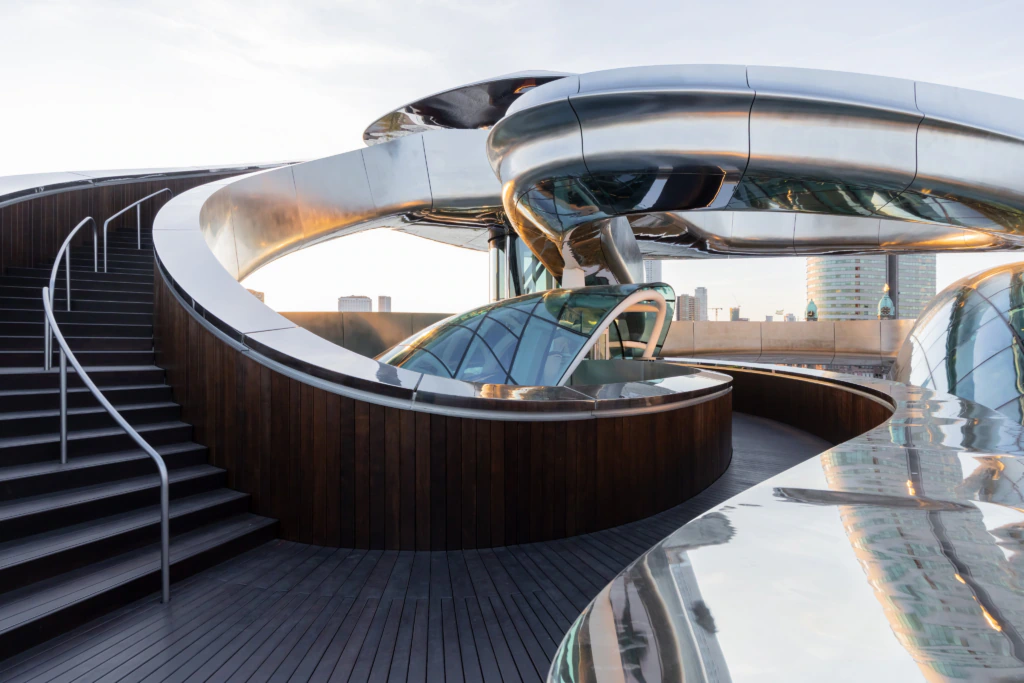
The Tornado is a 30m-high, double-helix staircase of polished steel that rises through the centre of the warehouse and opens out onto a rooftop platform offering panoramic views. It is part of a wider cultural transformation of the city’s historic Rijnhaven port district, which includes the soon-to-open National Museum of Photography.
Advertisement
Assembled over five years, the Fenix’s collection features new commissions along with historical and contemporary artworks related to migration.
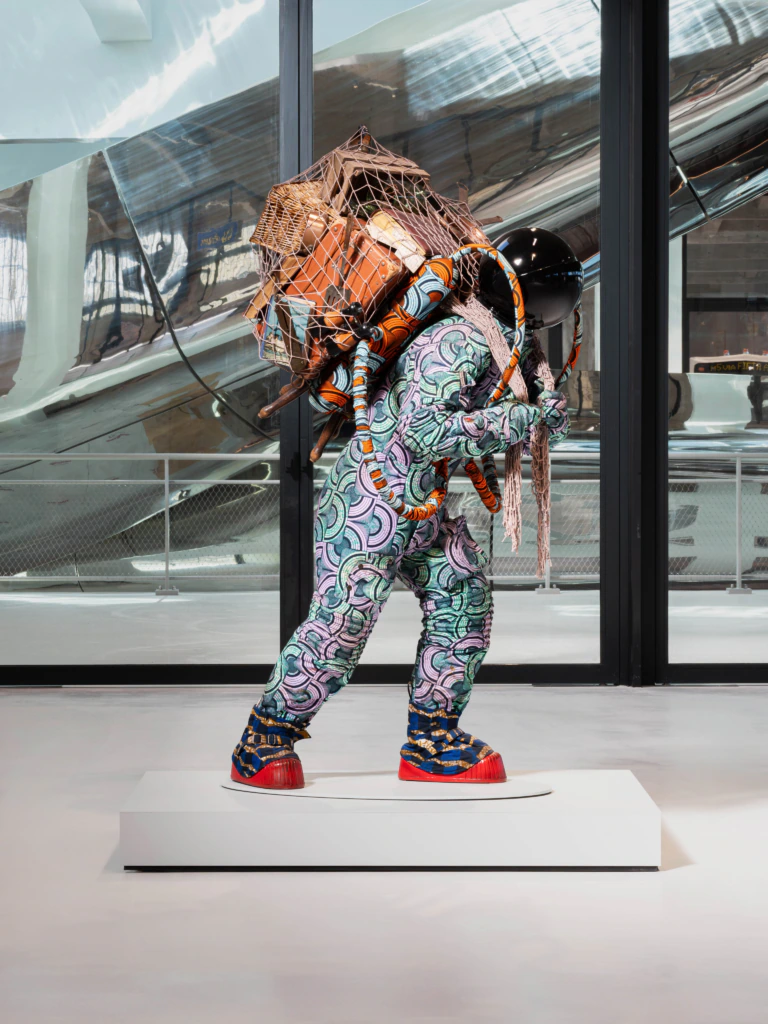
It includes pieces by globally recognised artists such as Francis Alÿs, Sophie Calle and Yinka Shonibare, whose nomadic spaceman in traditional African dress, Refugee Astronaut IX (2024), welcomes visitors into one of the galleries.
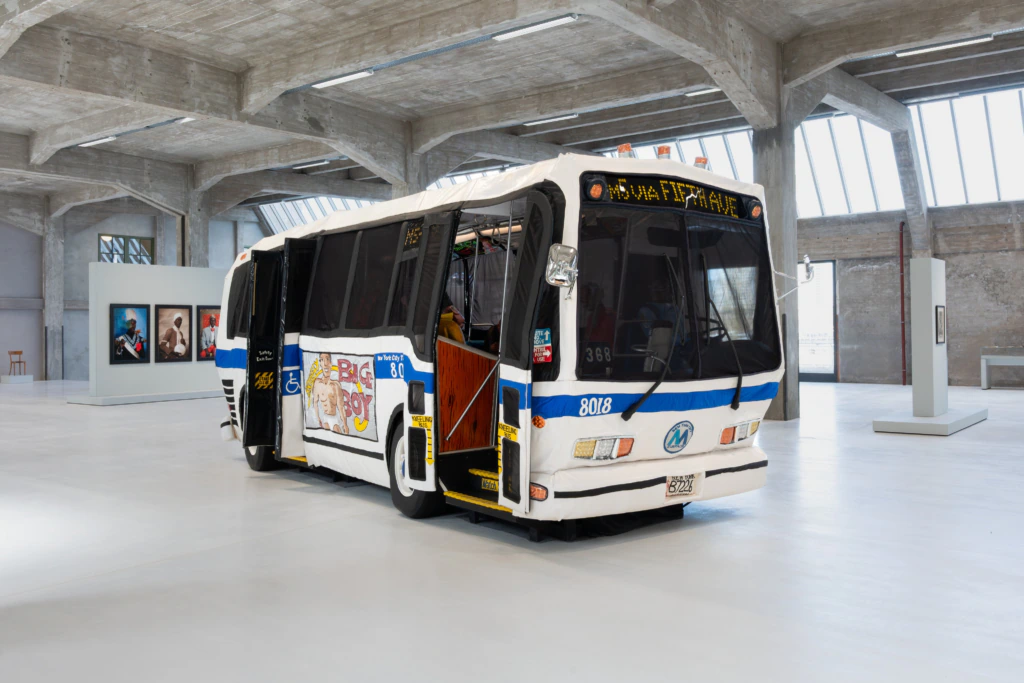
Another striking exhibit is the Bottari Truck – Migrateurs, by the South Korean artist Kimsooja, a Peugeot 404 piled high with possessions wrapped in colourful bottaris, or traditional Korean cloth.
These works form part of the museum’s inaugural exhibition, All Directions, alongside historic artefacts such as a UNHCR tent and a standing segment of the Berlin Wall.
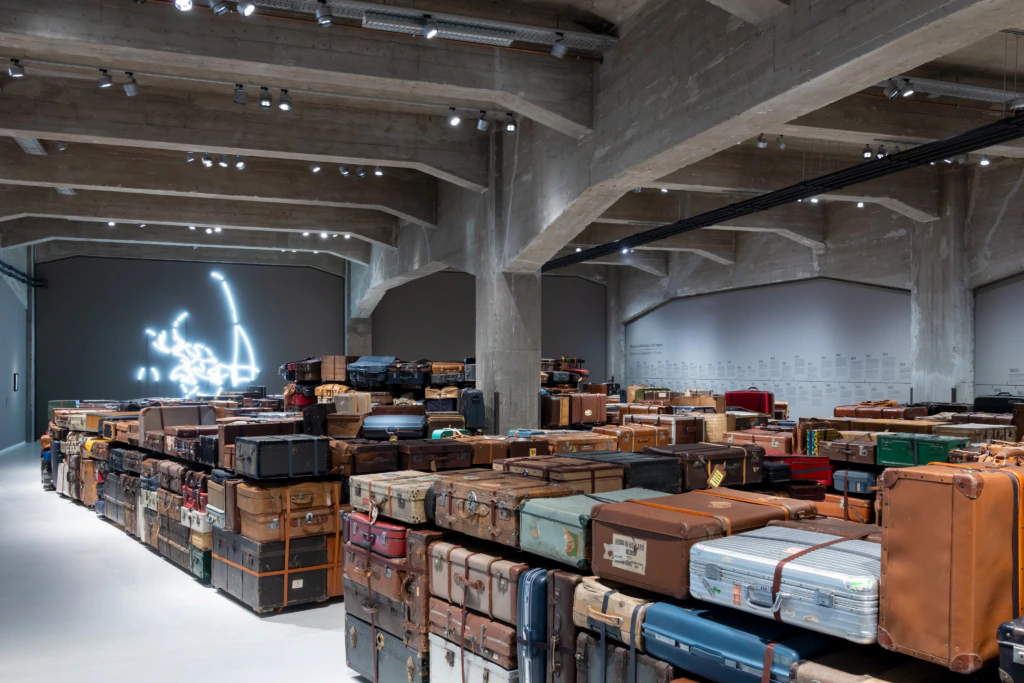
On the ground floor, visitors can wander through the Suitcase Labyrinth, an interactive installation of suitcases donated by people from across the world, and listen to oral histories about migration.
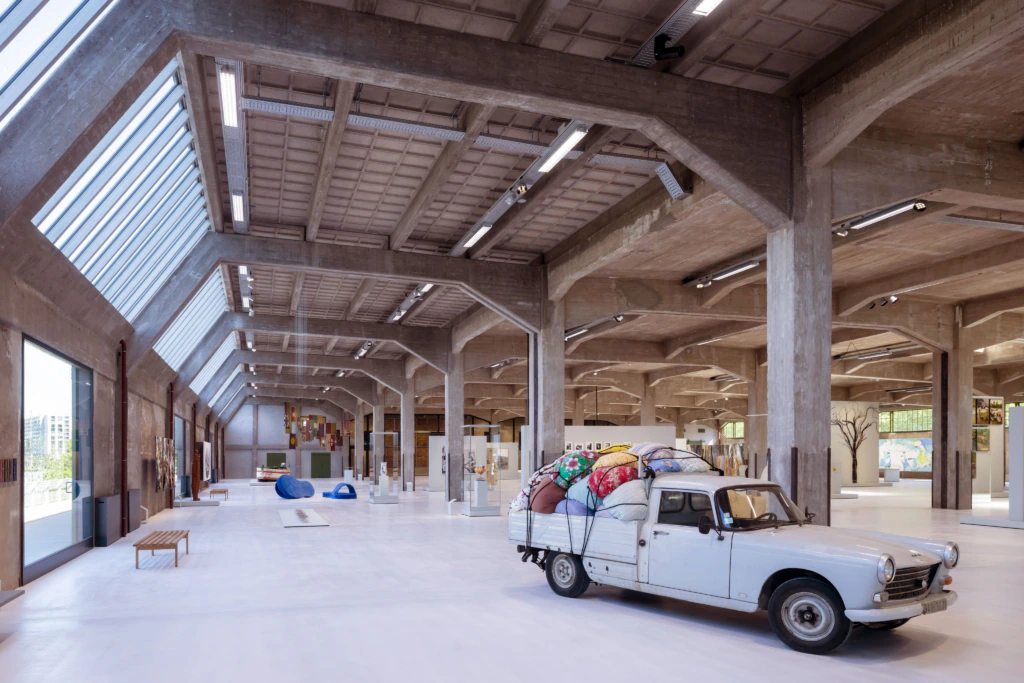
The museum’s vast ground floor, Plein, is intended to function as a covered city square with markets and festivals. The space hosts affordable dinner evenings, as well as a Taalcafé where people who speak Dutch as a second language can chat with volunteers. And there is a Turkish cafe, shop, gelateria and espresso bar.
Advertisement
Fenix has opened at a time when the discourse about migration in Europe is increasingly inflammatory. The Netherlands’ government – led by the far-right Freedom Party – recently collapsed after hardline leader Geert Wilders withdrew from the coalition in a row over asylum policy.
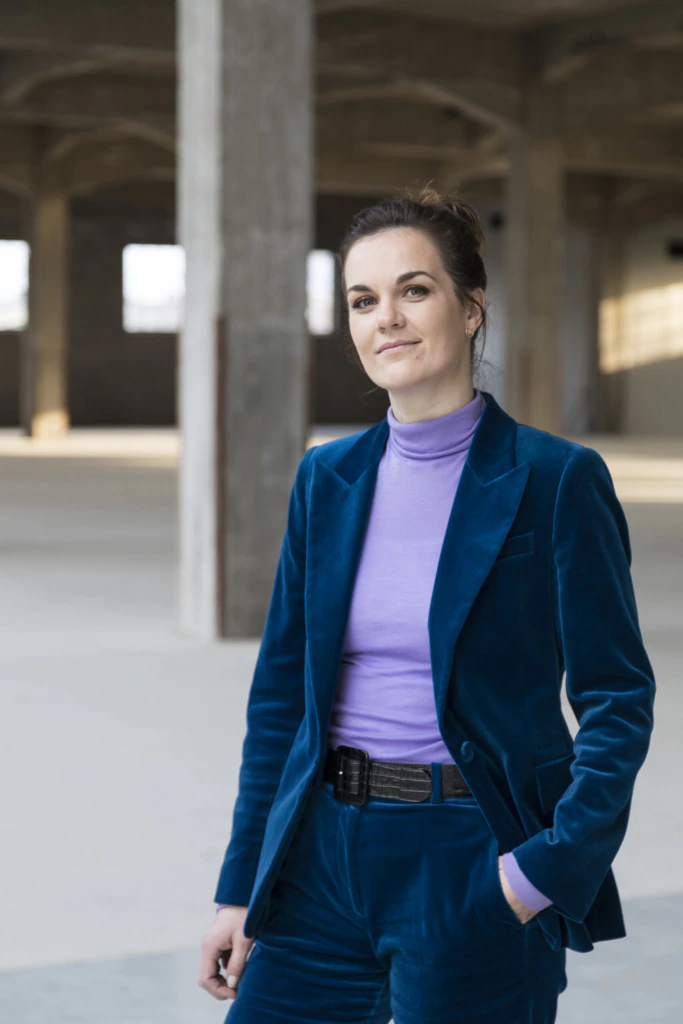
Museums Journal caught up with Anne Kremers, the director of Fenix, to hear more about the museum’s mission at a time of growing tension around migration.
What is the museum’s mission?
Anne Kremers: Migration is a very urgent topic, but it's also a timeless and universal story. So as long as we exist as human beings, we move and we migrate. It's part of who we are, it's part of humanity. So this museum is not about facts or numbers, it's really about people. That's what we want to show.
How did you engage communities in the Fenix’s development?
We did that with the suitcases. There were over 1,000 suitcase donors, and they all shared their story – contemporary stories, but also very old stories from the 1800s until now. The entire team learned a lot - they went to all the locations and did the interviews.
Advertisement
And we learned by talking to so many different people that although maybe you experience the same things in life, migration is very personal – how you deal with it, how you look at it – so there's not just one story that we can tell.
Why did you choose art as the medium to tell the story of migration?
We always had this idea to tell stories about migration through art, but that wasn't the main character in our story. But after a couple of years, our collection became quite good.
And then we realised that art is the perfect medium to tell stories about this topic. When we started collecting, you can imagine that when you see this enormous space, the first thing you think is ‘OK, we need to fill it’. So the first works we acquired were big, and later on, when we felt more confident, we also acquired smaller works.
Artists have the power of telling [the story of] migration in a very colourful way, and an emotional and meaningful way. They share their own stories or they share their research, but it's them asking questions and showing you what the world looks like.
Can you tell us about the exhibition design?
You can see in the exhibition design that the main focus is on the building. The building itself is telling a historical story. The Tornado, the first art piece in our collection, is telling a story about migration. So the exhibition design is very turned down – the idea is that you don't see the walls, you only see the art, because we really want to give the stage to the artists.
Given the current rhetoric around migration, is the museum intended as a political statement?
We're not a political museum. We are really here to share stories about migration, because everyone has a connection to the theme. And we really want to show that with migration, it's not numbers or facts, it's stories about people like you and me.
There's a migration story to tell in every family, and maybe also in the families of these [anti-immigration] politicians. I'm not really sure you can separate it from politics, because people make things political, but we are here to share stories and everyone's welcome here. So no, we're not making any statements. We're sharing stories that artists experience themselves.
Have you dealt with any challenges from the public?
We didn't receive any negative feedback, and we're a really open-minded museum – we would like to have a conversation with all different people from all different backgrounds. It doesn't matter where you come from, we're open to having a discussion about it.
I think in Rotterdam, people are very happy that there is a new item on the skyline, so you see the Tornado popping out from all different angles in the city. People are so fascinated about this design that they will come here and maybe they climb the stairs and then experience for themselves what the journey of a migrant could look like.
What are your future plans?
We will never be finished. Now the museum is open, we're not done yet, we're just starting. We have to keep on acquiring new works. We have to keep on creating programmes.
The last few years we've really focused on creating the museum, the team, the collection, and now the coming years are centred around bringing the theme and the museum to life.
Project data
Cost
Undisclosed
Main funder
Droom en Daad Foundation
Architect
MAD Architecture
Restoration consultant
Bureau Polderman
Admission
0-18 years free; 18-25 years €7.50 (£6.60); 26+ years €15 (£13.25)