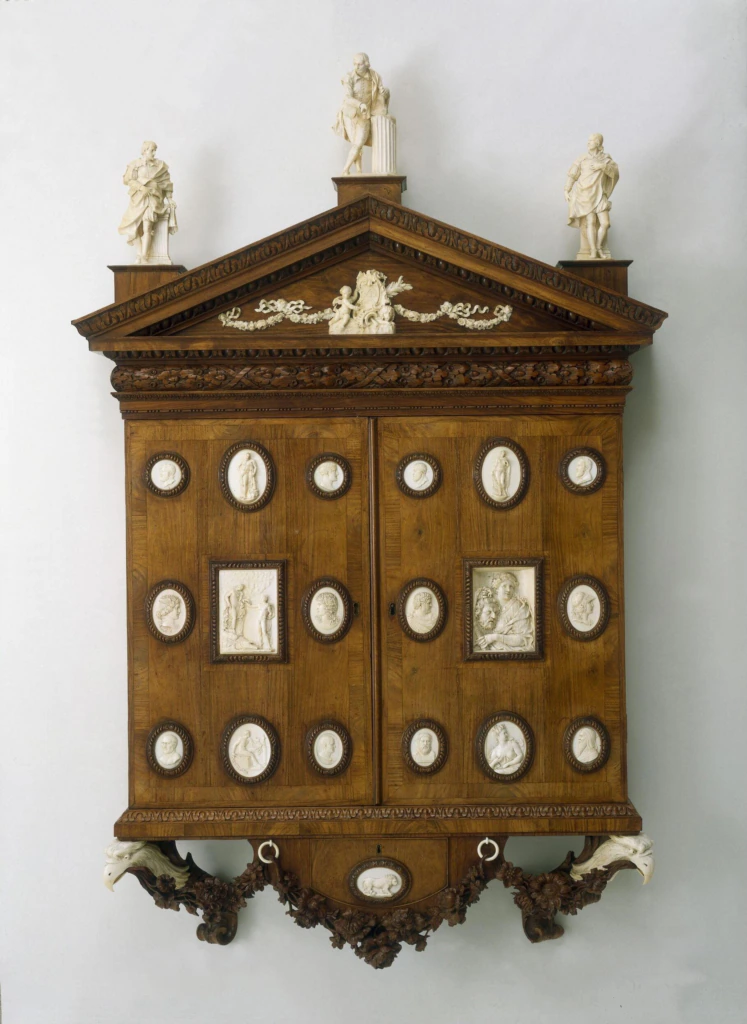
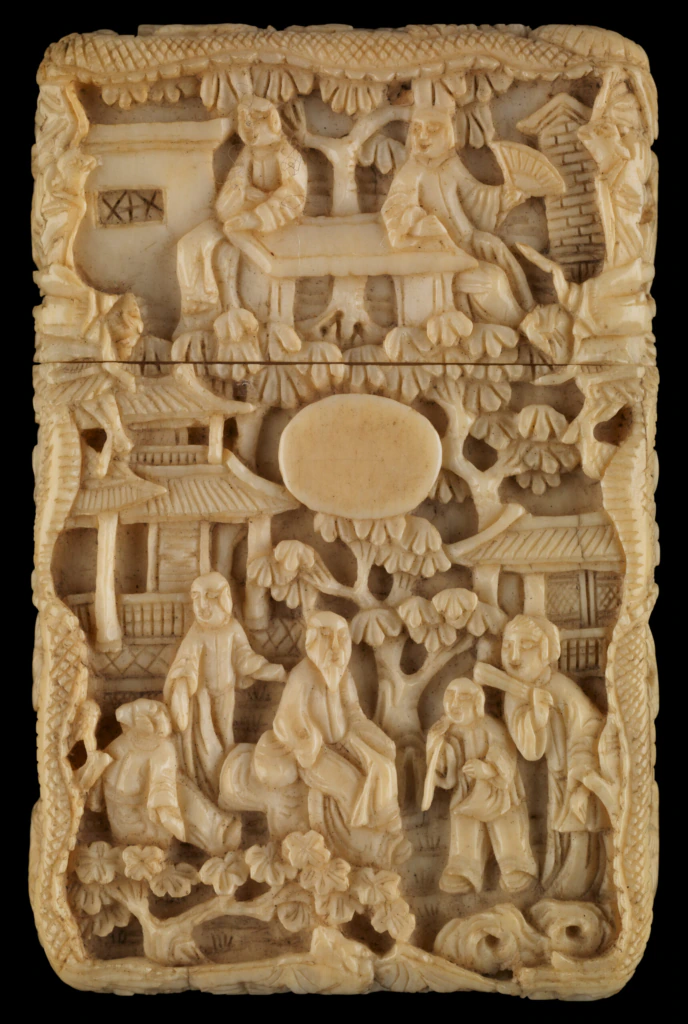
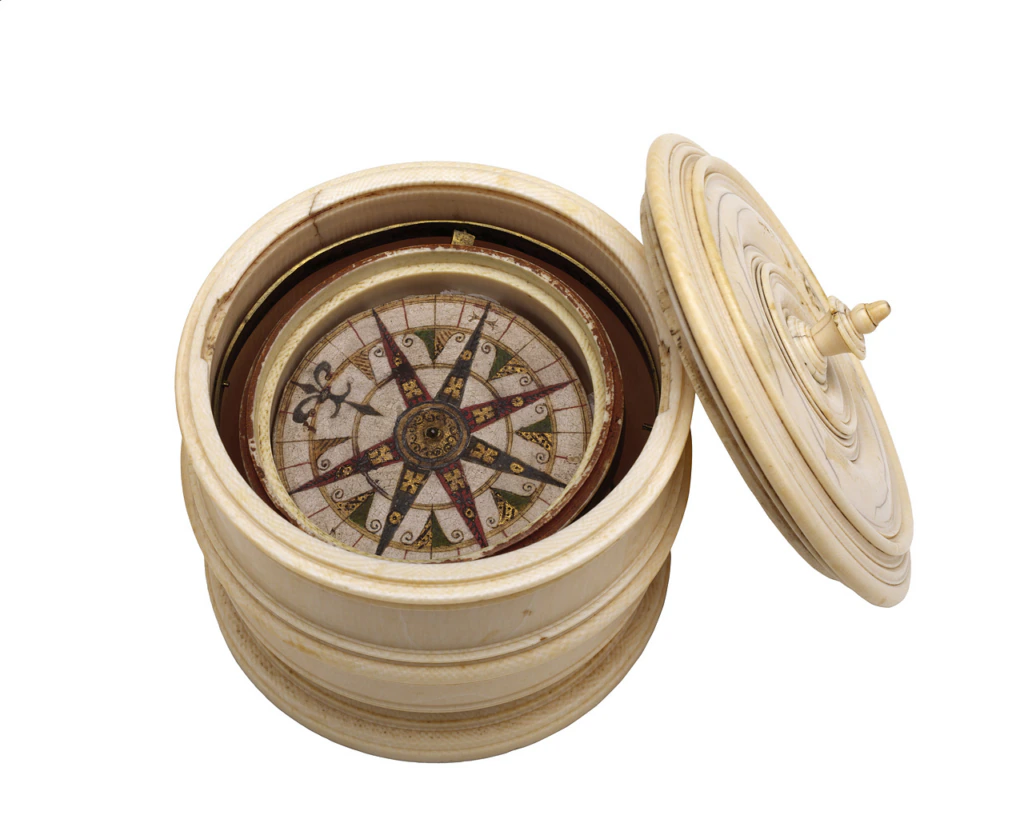
It is difficult to fully appreciate now how ubiquitous ivory was in everyday life during the 18th and 19th centuries. Its versatility, toughness and the ease with which it could be carved made it the plastic of its day, used in everything from cutlery and buttons to umbrellas.
Unlike plastic, however, the elegant beauty and smooth finish of ivory made it equally desirable to artists and craftspeople, who used it to create luxury items and exquisite decorative art.
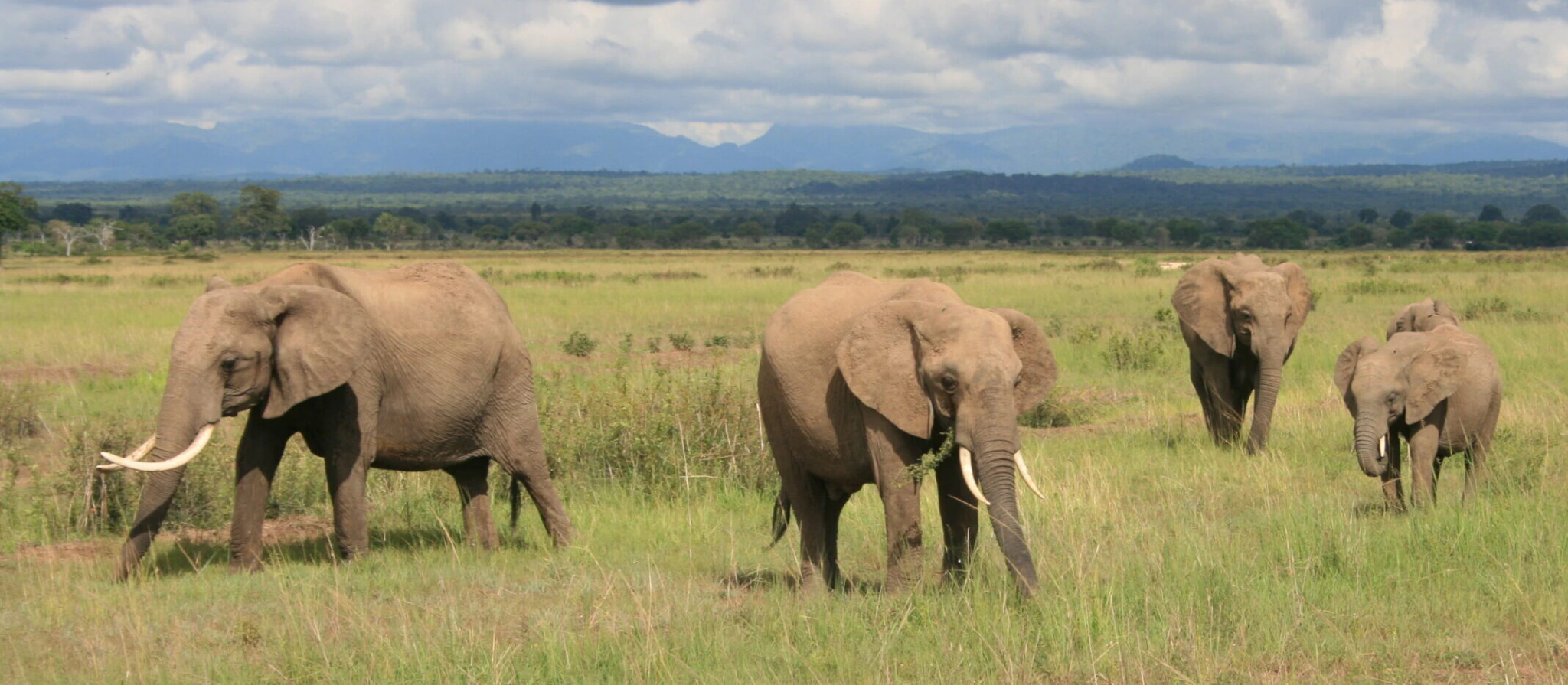
The age of empire ushered in the mass production of ivory, primarily from African nations, and it came with an appalling cost: the enslavement and forced labour of untold numbers of colonised peoples, and the mass slaughter of elephants and other ivory-bearing species, some of which were pushed to the brink of extinction.
Global ban
In 1989, the Convention on International Trade in Endangered Species (CITES), a binding treaty ratified by 185 nations, banned the commercial trade in ivory worldwide. In 2018, the UK Government passed the Ivory Act, one of the world’s strictest bans on elephant ivory.
Advertisement
The legislation was designed to set a global standard against the ivory trade, as well as closing loopholes that enabled UK dealers to sell new ivory by passing it off as antique. The act was extended in January 2025 to cover four additional species: hippopotamus, killer whale, narwhal, and sperm whale.
Powerful and necessary though this legislation was, it presented a unique set of challenges and responsibilities for those working in the museum and heritage sectors who manage thousands of ivory objects in their collections.
In recognition of the historic value of ivory, the act included five exemptions for the selling or hiring of the material.
It also designated a number of museums across the UK as Prescribed Institutions tasked with providing expert assessments on applications for exemption certificates from traders and members of the public. Three new institutions were prescribed last year to cover the whole of the UK.
Exemptions for the selling or hiring of ivory
- Sales to and between Accredited museums
- Portrait miniatures made before 1918 with a surface area smaller than 320 sq cm
- Musical instruments made before 1975 with less than 20% ivory by volume
- Items with low ivory content made before 3 March 1947 with less than 10% ivory by volume
- Rare or important items, made before 1918 and of outstandingly high artistic, cultural or historical value
Prescribed Institutions
- Ashmolean Museum of Art and Archaeology
- Glasgow Museums
- Horniman Museum and Gardens
- Manchester Museum, the University of Manchester
- National Maritime Museum
- National Museums Scotland
- Royal Armouries Museum
- University of Cambridge Museums
- Victoria and Albert Museum
- National Museums NI (as of 2025)
- National Museums Liverpool (as of 2025)
- Amgueddfa Cymru – Museum Wales (as of 2025)
Ashley Coutu, a senior research curator at the University of Oxford’s Pitt Rivers Museum, says the sector gradually became aware of the far-reaching implications of the act as it made its way through parliament.
Advertisement
“There were a lot of curators who were suddenly being asked to comment on ivory who might not necessarily have experience of working with it,” she says.
“That was the start of where I saw that this is a real issue; this is going to create a lot of interest and debate if it passes.”
As well as being called on to help in the difficult task of identifying ivory and assessing the historic or cultural value of such objects, museums have seen increasing numbers of unsolicited donations from people looking to offload ivory, as ownership of the material becomes increasingly taboo.
The act also raised new questions for museums – such as whether government indemnity insurance applies to ivory loans – that had not been anticipated when the legislation was written.
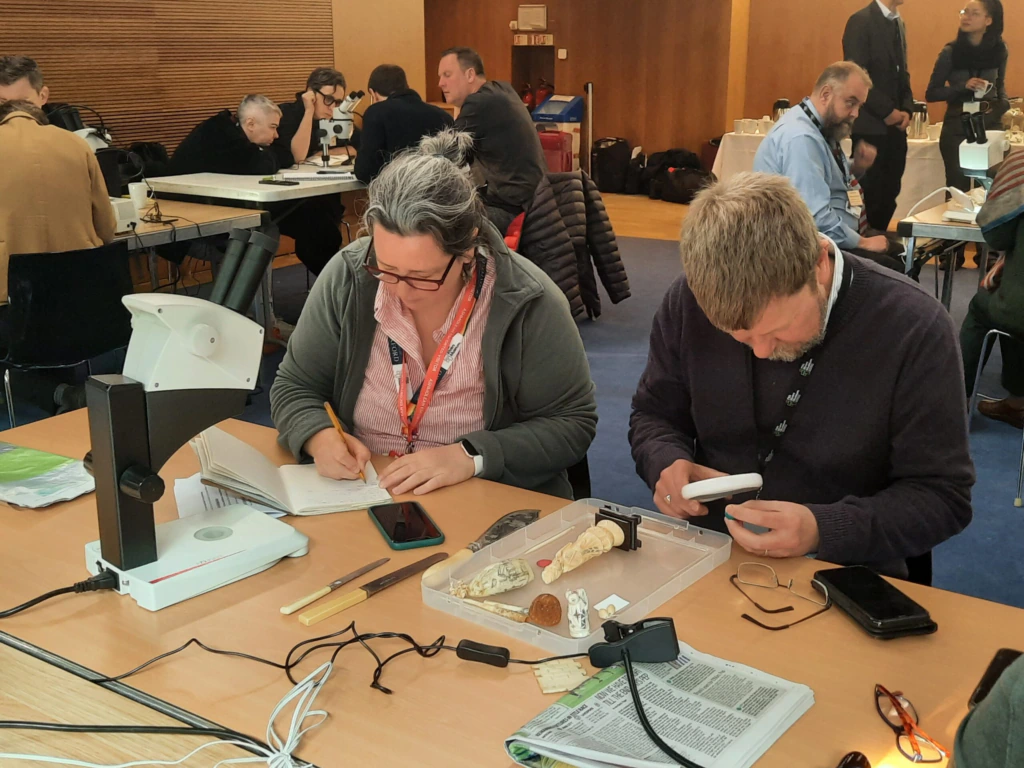
To address some of the policy challenges raised by the act, a number of museum professionals and researchers, including Coutu, launched a project in 2023 called Meeting the Challenges of the Ivory Act. The project aimed to find the best methods for ivory identification and assess their suitability in practice, as well as creating a digital guide to ivory identification, and increasing the number of national experts able to identify historical ivory items.
The initiative, which was supported by the University of Oxford’s Public Policy Challenge Fund, led to a pioneering collaboration between the sector, policy-makers and law enforcement bodies, including officials from the Department for Environment, Food and Rural Affairs (Defra), Border Force and the Animal and Plant Health Agency (Apha), government bodies that had hitherto had few dealings with museums.
“It was an opportunity to bring lots of people together who hadn’t previously been in the same room talking to each other,” says Coutu. “I think that was more than we expected, and that has been one very positive outcome already.”
Advertisement
This collaboration helped bridge the divide that often exists between government branches that deal with policymaking and those tasked with law enforcement, says Mariam Rosser-Owen, curator of Islamic art at the Victoria and Albert Museum (V&A), who was another investigator on the project.
“It was really great for the policymakers to understand the challenges that the enforcement officers had, and for us [museum professionals] to understand them as well.”
One strand of the project explored non-destructive scientific techniques that could be used to identify ivory and distinguish between different species. These had to be simple and practical enough to be used on the front line of law enforcement.
“These techniques have been used quite a lot in archaeology, but have not been applied very much to objects in museums,” she says.
“It was interesting to see the Border Force colleagues who came to the meetings, because they are on the front line, dealing with seizures, and it wouldn’t be feasible to use some of these techniques right there at the border. So, we could say to them ‘well there are actually these little digital microscopes that you could use’.”
Other conversations focused on the storage and disposal of seized ivory. “There were a lot of things that weren’t considered on both sides when we entered into discussions about how we all value and use the material so differently,” says Rosser-Owen.
“[The meetings] brought up questions about how important some of these historic objects are and how important it is that people still are able to value them and look at them.
“The standard practice of the Border Force is to incinerate ivory,” she adds. “And the museum professionals were horrified, like ‘you can’t incinerate this stuff, it could be really important in terms of the social aspects’. There’s clearly a big unresolved question for the government around how to dispose of confiscated ivory.”
Protected from destruction
As a result of the project, some confiscated ivory that would have been incinerated has now made its way to universities for further research and study.
The project has had valuable, tangible outcomes for the museum sector, says Leanne Manfredi, national programmes lead at the V&A. “From a national museums perspective, we looked at how we can support regional museums who don’t have expertise, and how we can offer that advice,” she says.
This has led to the creation of an informal network where museum professionals can meet online quarterly to discuss everything from ivory loans and acquisitions to dealing with donors. They can also get advice about navigating those challenges from museum specialists, as well as Defra and Apha representatives.
Meanwhile, in response to questions raised by the project, Arts Council England published new guidance last year on how the Government Indemnity Scheme – which provides cost-free insurance for cultural objects on loan to cultural institutions – applies to ivory artefacts, clarifying that such loans are considered “hiring out” under the legislation and can be covered by indemnity.
The project has highlighted the importance of bringing different parties around the same table.
“What it shows is it’s great to work with government bodies and look at the broader picture,” says Manfredi.
For enquiries about the ivory network, email ivorynetwork@vam.ac.uk or visit the Pitt Rivers Museum website
Implications of the act’s extension
The extension of the Ivory Act in 2025 to cover four new species has implications for a wider range of museums. The exemptions in the act only apply to worked ivory, so there are concerns that, for example, natural history museums may struggle to show more ivory.
“The extension is particularly pertinent to the collections at the National Maritime Museum, given our collection’s representation of histories of seafaring,” says Maya Wassell-Smith, assistant curator at Royal Museums Greenwich.
“The area of the collection that this is likely to have most impact on is scrimshaw – objects made by whalers out of the teeth, bones and baleen of whales, walruses and narwhals.
“We had already begun to see an uptick in offers of this material for acquisition ahead of the act’s extension and think it will continue. Also, because the market for historic scrimshaw has been popular and profitable, we think there will be an increase in exemption certificates applications for their sale.
“For both of these activities, whether assessing an item for acquisition or exemption, there are significant issues in applying the exemption categories to scrimshaw, particularly around dates, materials and authenticity.”
National Museums Scotland’s senior curator of modern and military history, Calum Robertson, also highlights concerns around scrimshaw.
“Not all of those items are historically, culturally or aesthetically outstanding, but they are a record of sailor art – of how engaged British maritime trade was in those parts of the North Atlantic and the South Atlantic,” he says.
“Historically, museums, while not collecting everything, have been a good place to understand the extent of a trade or a particular fashion for a thing. So, we’re now at a point where it’s going to be more difficult to collect that material and for that material to be in circulation.”