
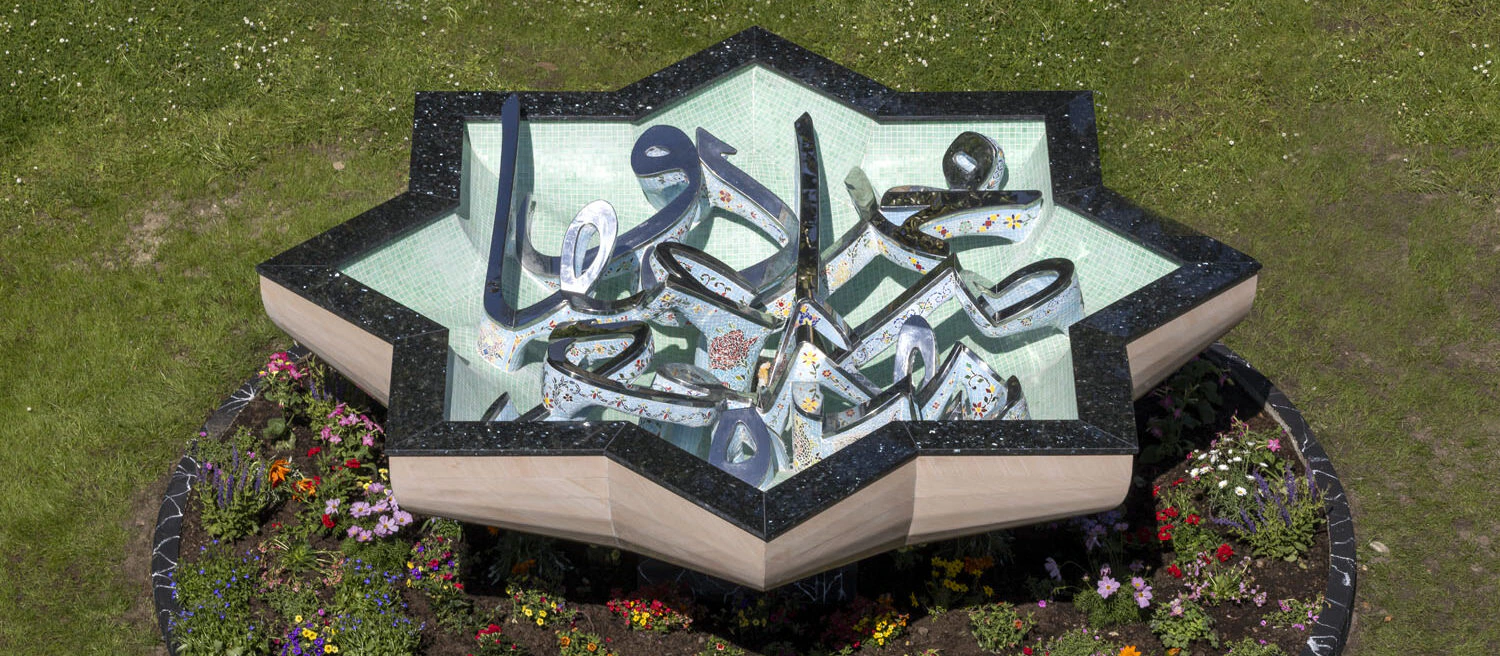
The Musée d’Art et de Culture Soufis MTO opened in September 2024 as the first museum in the world entirely dedicated to Sufism. MTO refers to the Maktab Tarighat Oveyssi Shahmaghsoudi School of Islamic Sufism, which was created more than 1,400 years ago.
Based in a 19th-century mansion in the Parisian suburb of Chatou on the banks of the river Seine and close to the Île des Impressionnistes, the museum aims to explore the principles of Sufism by creating a dialogue between objects from its collection and contemporary artworks.
Its opening exhibition, Un Ciel Intérieur (until 6 April), features work by Monir Shahroudy Farmanfarmaian, Pinaree Sanpitak, Younes Rahmoun, Seffa Klein, Troy Makaza, Chloé Quenum and Bianca Bondi, seven international contemporary artists of different faiths and none, in dialogue with the museum’s historical collection and Sufism.
Museums Journal spoke to the museum’s director, Alexandra Baudelot, to find out more.
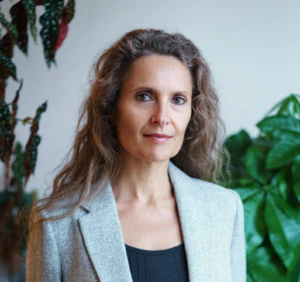
Alexandra Baudelot
Director, Musée d’Art et de Culture Soufis MTO
For those who don’t know, what is Sufism?
Sufism is a path to self-knowledge – an inner journey for anyone seeking to reach the depths of their inner being and discover their true identity.
Advertisement
Throughout history, Sufis have made important contributions to global art, culture and architecture, from the musical traditions inspired by poets such as Rumi (1207–1273) to major Islamic architecture, such as the Alhambra palace in Spain, here in Europe. Prominent Sufi thinkers include Ibn’ Arabi and Al Ghazali, whose writing on Sufism in the 11th to 13th centuries influenced not just Sufis but medieval dynasties such as the Ottomans, Safavids and Mughals.
How did the idea for a museum come about?
It originated in the early 1970s and started to gain momentum in the 2010s, driven by the Maktab Tarighat Oveyssi Shahmaghsoudi School of Islamic Sufism. It is remarkable that the world’s first museum dedicated to exploring Sufism through contemporary art and culture is only opening now.
What can visitors expect?
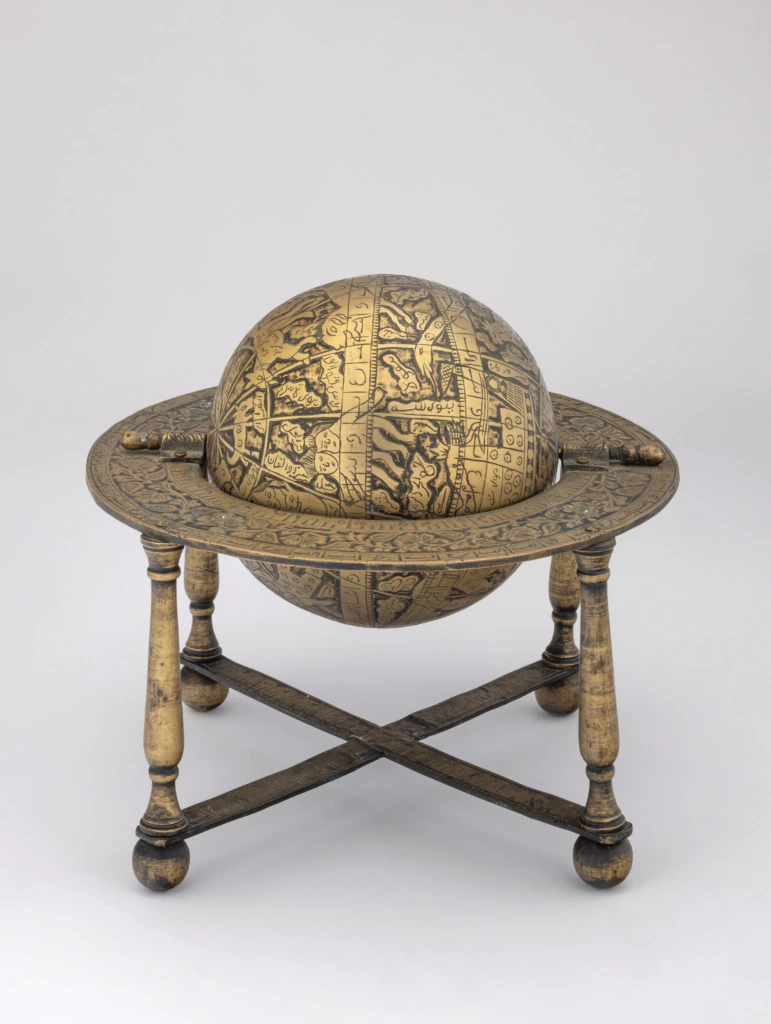
The museum invites audiences to engage with Sufism through a permanent collection of historical objects that hold symbolic meaning and have inspired Sufi seekers for centuries, presented in dialogue with a contemporary art exhibition and programme.
Advertisement
As visitors progress through the museum, Eastern influences progressively intensify, culminating in a sound shower beneath the a dome on the uppermost floor. There, voices calling from afar chant poetic verses, embodying the boundless essence of Sufi tradition.
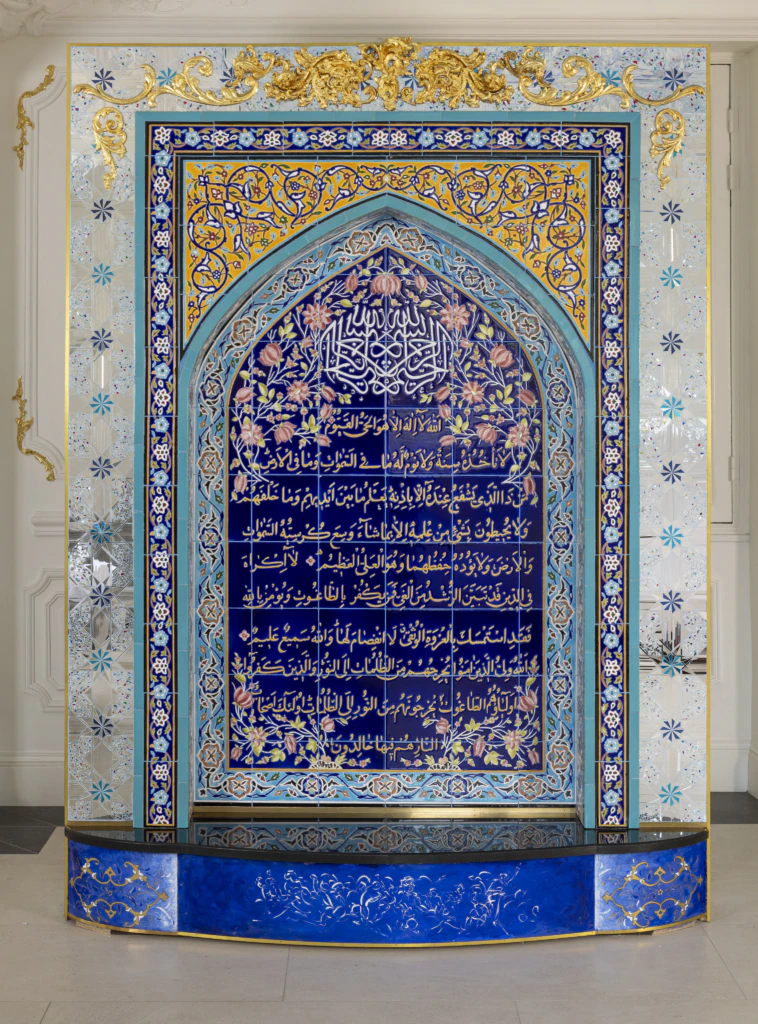
On display is the Monumental Kashkul, which emphasises the importance and symbolism of the smaller kashkul (bowls used by wandering dervish – sufis who perform meditative dance – to collect donations of money or food) that we have in the collection.
What are the stand-out objects?
A particularly rare item among our textiles is a khirqa, a fine ochre cloak featuring embroidered sheepskin and wool that has been passed from master to master. You can see the successive repairs made by its wearers, which our conservator has been careful to leave in place.
The simplicity of the rough wool demonstrates the humility of the Sufi – a word thought to originate from the Arabic word suf, meaning wool.
Advertisement
Objects that show exquisite craftsmanship of Sufi-seekers include a golden brass 17th- or 18th-century abjad code padlock. In Sufism, the opening of the lock symbolises the freeing of worldly desires, to rise spiritually and reach divine love.
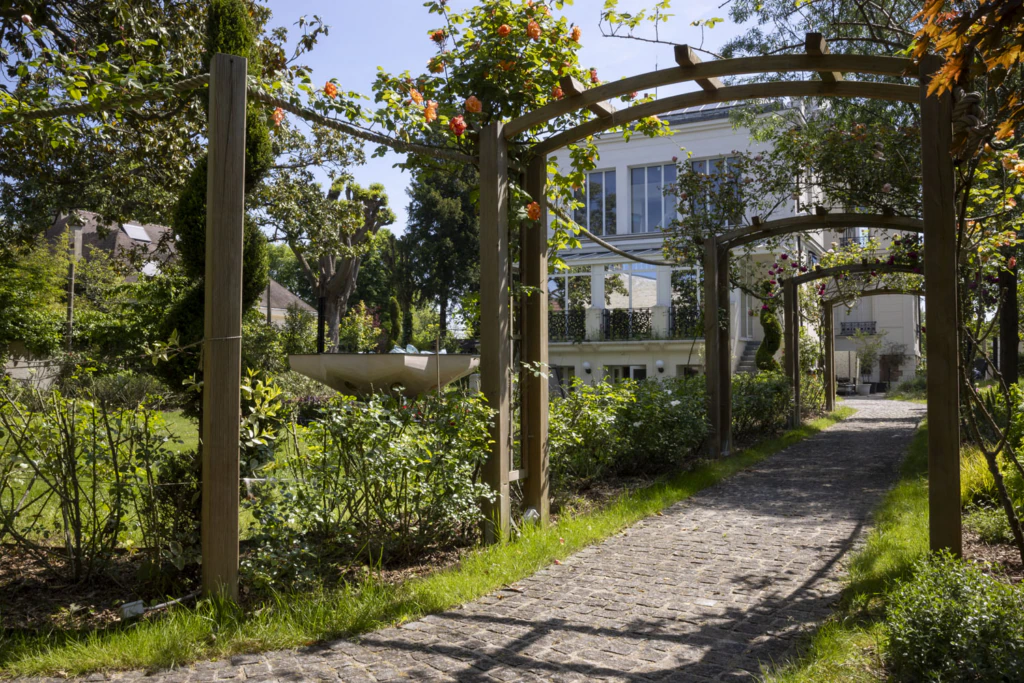
The museum’s garden will provide a tranquil and meditative space for individuals and events, with lush greenery and scented flowers, including symbolic flora typical of Sufi gardens, such as cypresses, roses and jasmine.
How does the museum welcome diverse visitors?
In light of the many pressures of a fast-paced world that individuals and societies face today, the museum offers a serene and contemplative space to connect with spirituality and mindfulness through art and culture.
We want to appeal to a range of audiences – from those with a general interest in culture or curiosity wanting to learn more about spirituality, to specialists and students of Islamic and contemporary art. The building and garden are fully accessible to people with reduced mobility.
It is especially important that we are welcoming to the local community. Entry to the garden is free and our programming aims to be an important resource for local schools and visitors. Our cultural programming will attract a wider audience, including those who may not visit cultural institutions often.
The museum is a welcoming and inclusive venue, whose very DNA is rooted in a desire to build a dialogue between cultures and spiritualities.
Through the dialogue between Sufism and the contemporary world, we aim to highlight not just one narrative, as often seen in museums, but the multitude of narratives and points of view that shape our world and make it a place for sharing and openness.
Project data
Cost
Undisclosed
Main funders
American and Canadian Friends of Sufi Arts, Culture and Knowledge
Consultant
Agence France Muséums
Scenography
Maciej Fiszer
Graphics
CL Design; CVO
Lighting
HI Lighting; Ithaque
Cases
Xilografia; Le Socle
Audiovisuals
Réciproque
Holograms
Musion
Architecture
Ducatillion Gimel Architeccture
Garden design
Léonard Nguyen Van Thé
Exhibitions
Un Ciel Intérieur, until 6 April
Admission
Adult, €9; child, €7


Amazing! I can’t wait to visit! Much of my work draws inspiration from Sufism, thank you for sharing!