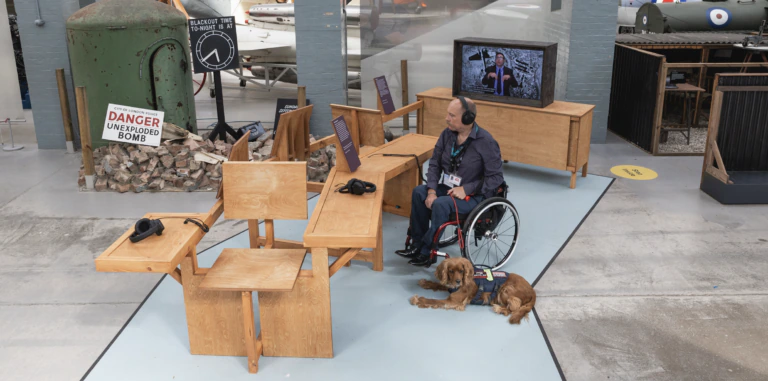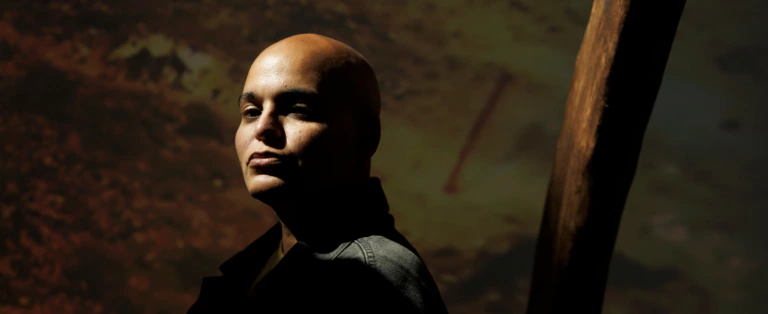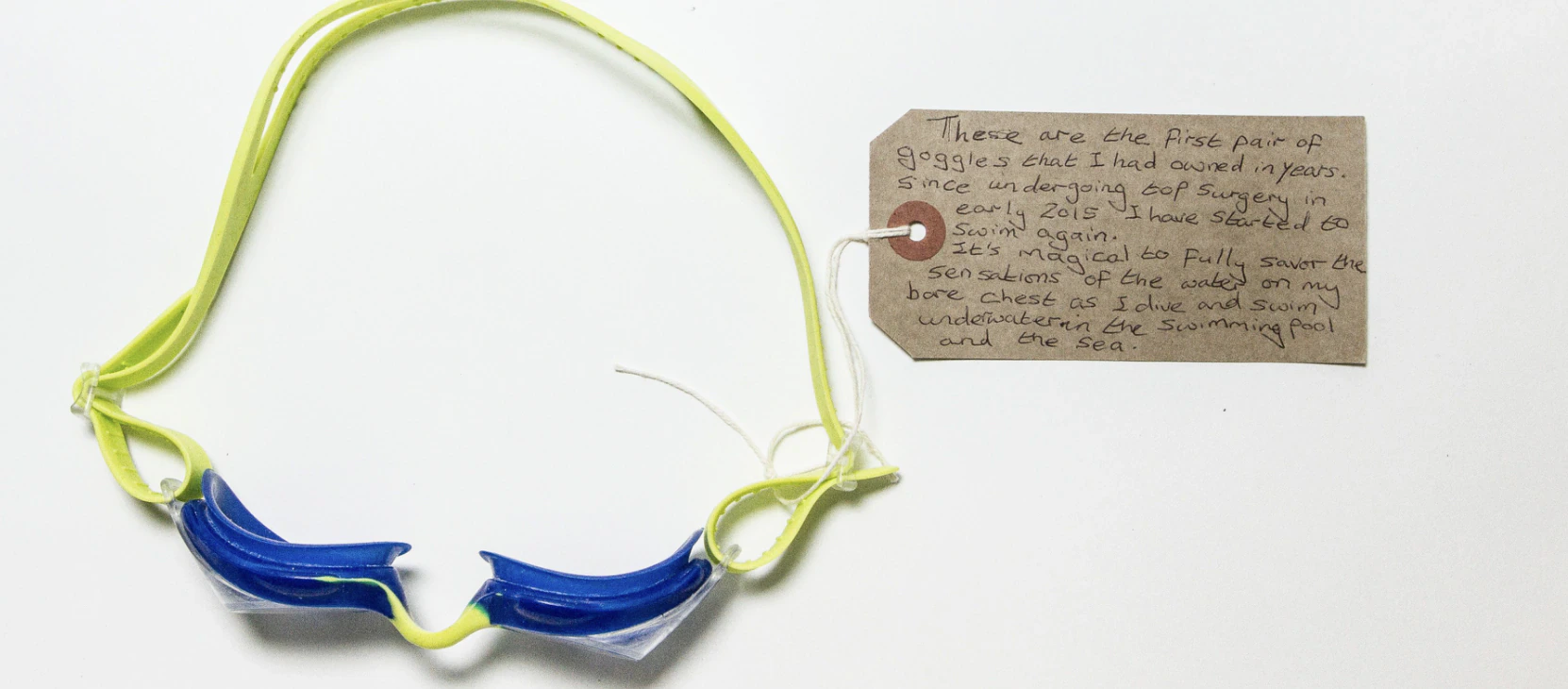
If trans culture were truly the marginal and contested phenomenon often depicted in public debate, it is difficult to explain why 25 museums, galleries, archives and heritage organisations chose to partner with the Museum of Transology (MoT) through Transcestry (2023-26) and the Trans-Inclusive Culture programme led by the University of Leicester’s Research Centre for Museums and Galleries.
From national museums to local heritage organisations, institutions invested significant time, expertise and resources, not because legislation required them to do so, but because they recognised something genuinely valuable in the work itself.
Despite the complex context of social conflict in which museums now operate, they continue to commission trans artists, invest in trans collections, develop community-led projects and produce ambitious exhibitions exploring gender, identity, memory and social change.
At a moment when trans inclusion has become one of the most politically contested areas of contemporary cultural practice, it has also become one of the clearest tests of museum values.
Yet to understand the sector’s sustained commitment to this work, we must look beyond the politics surrounding it. Museums have not invested in trans cultural practice simply because of who it represents, but because of what it contributes to the sector, the wider arts field and to society at large.
These contributions are increasingly visible across the UK’s cultural landscape. Artist Rudy Loewe’s Wellcome Collection exhibition in London, Intimacies of Care: Spaces of Grief and Possibility (until 7 February 2027), demonstrates how trans practitioners are increasingly recognised as major cultural producers whose work engages with some of the most pressing social and political questions of our time, including race, health, care and gender.
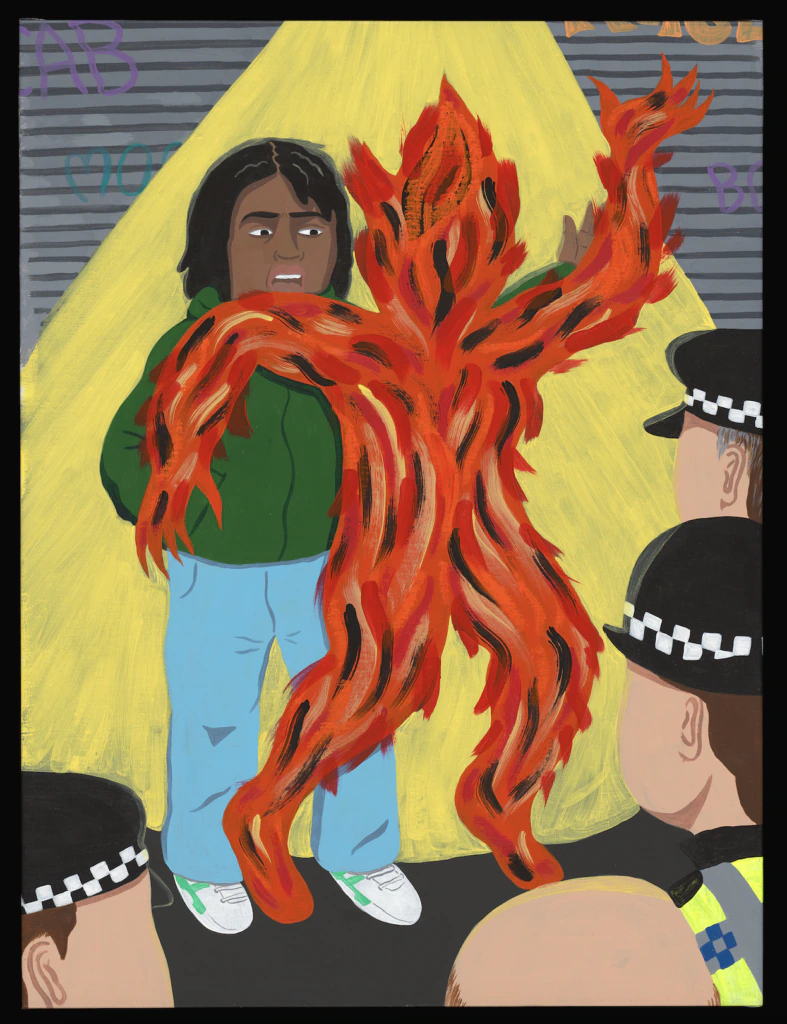
At the New Art Gallery Walsall, ANDI’s residency, Please Respect My Privacy at This Difficult Time, revealed culture’s capacity to build relationships between supposedly disparate groups across a predominantly working-class post-industrial town.
Advertisement
Situated at the centre of a gallery deeply embedded in local community life, the residency enabled encounters through the studio’s glass wall between the artist and passers-by that cut across the divisions of political discourse and culture-war narratives.
The RAF Museum’s interpretation of the story of flight lieutenant Caroline Paige, who transitioned while in the armed forces, expands military history by making visible experiences that have long remained absent from institutional memory.
Meanwhile, Nando Messias’ Sissy TV – performed inside a meticulously maintained auto-archive of over a decade’s worth of costumes and fashion accessories (donated to the MoT during the performance itself) – challenges conventional archival assumptions about ownership, preservation and intergenderational inheritance through her donor stipulation that it must be made available to the trans community for continued use.
Taken together, these projects point towards a broader shift. For many years, trans people entered cultural institutions primarily as subjects of representation, communities to consult or audiences to include. Increasingly, they are being recognised as artists, curators, researchers, archivists and cultural producers whose work contributes to major artistic, intellectual and civic conversations extending far beyond trans identity itself.
The current significance of trans cultural practice, therefore, lies not simply in representation, but in the new forms of participation, interpretation and public engagement it is generating. What began as a response to historical erasure is increasingly producing new knowledge that the wider museum and gallery sector can learn from.
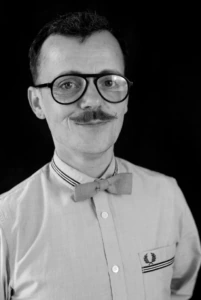
EJ Scott
‘What began as a response to historical erasure is increasingly producing new knowledge that the wider museum and gallery sector can learn from’
Advertisement
Transcendence
The MoT’s development illustrates this trajectory. From 2014, our mission to prevent trans lives from being erased from history steadily grew into the UK’s largest collection of trans, non-binary and intersex material culture – the community-made exhibition Trancestry: 10 Years of the Museum of Transology (highly commended in the Best Temporary or Touring Exhibition category at the 2026 Museums + Heritage Awards) and a distributed national collection embedded within 16 permanent museum, library and archive collections.
As it evolved, the practical challenge of collecting trans stories quickly became a broader enquiry into authority: who gets to tell those stories, who decides what is historically significant and how communities can participate in shaping public memory.
Community-curated exhibitions foregrounded questions of knowledge production and collective memory. Embedding collections within museums, libraries and archives focused attention on stewardship and institutional responsibility, while building regional collections and national networks of cultural production highlighted how knowledge travels between communities, institutions and society itself.
Twelve years after I started the collection, I find myself returning to the same questions that inspired the MoT in the first place. The difference is that today, they feel less like questions about trans history and more like questions about the democratic governance of collective memory itself. This stark realisation forms the basis of the next phase of my work: AHGD.ai – the Authorised Heritage Gender Discourse in the age of Artificial Intelligence (borrowed from Laurajane Smith’s 2006 concept, the “authorised heritage discourse”).
Despite the shift from a keen commitment to working with material culture to the dizzy world of digital memory-making, the project is the logical continuation of the MoT’s work because our community-curatorial practice worked beyond the institution to design new approaches to community heritage governance.
Advertisement
As AI increasingly mediates access to information, history and public knowledge, a fresh challenge emerges. The question is no longer how marginalised histories are preserved, but how they remain discoverable, intelligible and historically significant within the systems through which future generations encounter the past. I don’t need to keep collecting; I need to hurriedly collect myself, having had the terrifying realisation that the work might exist, but the knowledge systems required to distribute it may not.
AI and the cycle of change
We are living through one of the most significant technical reorganisations of collective memory since the invention of the printing press. As Paul B Preciado observes in Dysphoria Mundi: Letters from the Techno-Biopolitical Empire, the printing press transformed the conditions under which knowledge was produced, helping shift authority from the church towards the intellectual infrastructures that made possible science, public education and the Enlightenment.
AI represents a transformation of comparable significance – and that transformation is already outpacing our sector’s ability to question it, let alone respond to it, as increasingly autonomous systems reshape the conditions under which they themselves evolve.
Yet the implications of that transformation are only beginning to be understood. Scholars including Frédéric Clavert and Sarah Gensburger have already begun examining how AI is reshaping collective memory, while researchers at the Minderoo Centre for Technology and Democracy at the University of Cambridge are investigating the wider implications of emerging technologies for democratic life.
As these algorithmic systems outpace governance structures, trans archiving contributes new questions to an emerging debate about collective memory that become questions for the cultural sector as a whole.
The MoT’s contribution is therefore not that it has identified a new problem, but that trans heritage practice has generated specific expertise in resisting erasure, negotiating significance and producing public memory.
As a result, the question for AHGD.ai is not simply around what AI is doing to collective memory (or who gets remembered, how and by whom), but what expertise communities who have spent decades resisting erasure can bring to governing how societies remember in the first place.
It’s trans man versus machine.
EJ Scott is the curator and founder of the Museum of Transology