
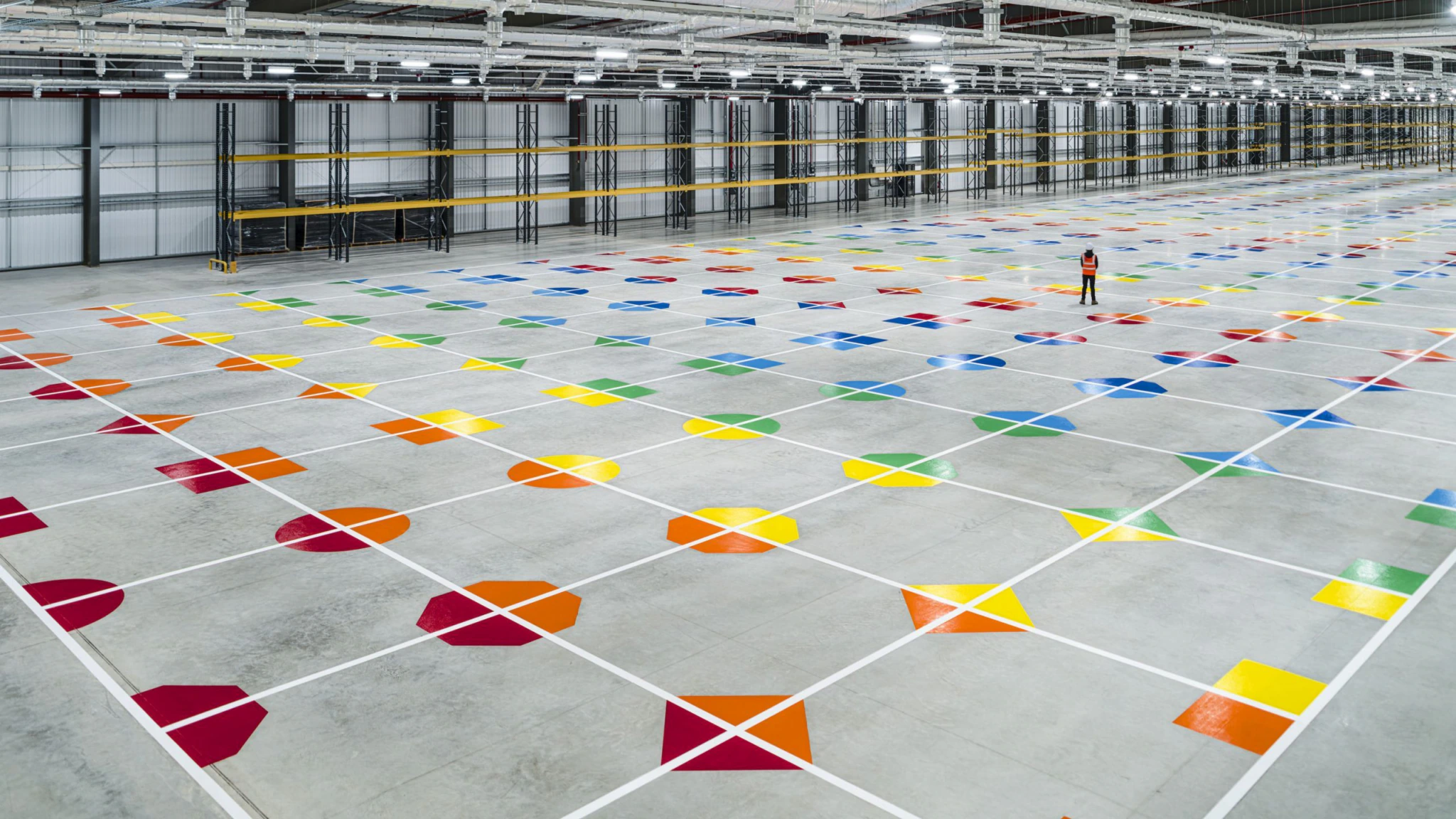
There’s not a wonky label or crooked shelf in sight at the Science Museum Group’s (SMG) new £40m storage facility, the centrepiece of its National Collections Centre in Swindon.
The town may be famous for its magic roundabout but its newest cultural building is all about straight lines, with parallel rows of aisles offering almost-uninterrupted views from one end of the vast, 300m-long warehouse to the other.
The SMG has been storing its collections at the site – a former RAF base – since 1979. But when the new facility is finally full, it will be the first time that objects from all of the group’s five museums have been brought together under one roof.
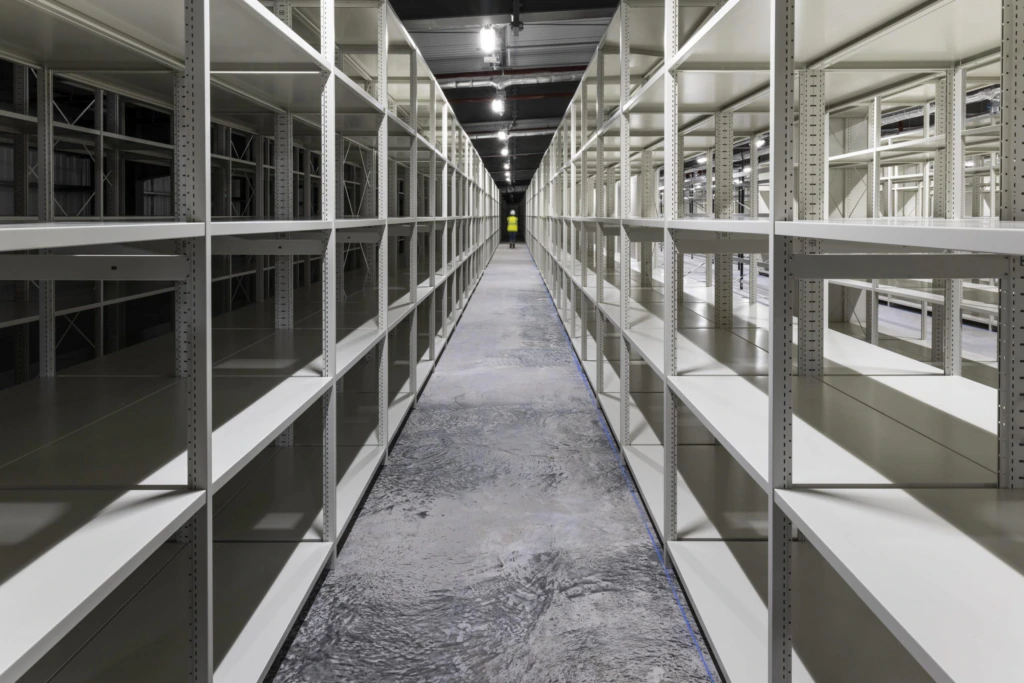
The centre’s 30,000m of open shelving is the stuff of dreams for the SMG collections team, who struggled to find artefacts packed away across 100 rooms in the institution’s former store, Blythe House, which it shared with the British Museum and the Victoria & Albert Museum.
Now almost every meticulously bar-coded object in the 300,000-strong collection will be laid out on open shelves – and peering through the rows, staff will be able to see neighbouring artefacts in their line of vision. Only items that need specialist care won't be visible.
Advertisement
“It’s just a joy,” says Alexandra Fullerlove, head of collections management. “It’s more streamlined than all of the museum stores I’ve worked in. There are so many clean lines.”
Curator Laura Humphreys is particularly excited the potential these open vistas hold for drawing out connections and telling new stories.
“We’ll be able to see the collections together in a way we haven’t before,” she says. “We can walk down and just make those visual connections. We’ll able to browse. That’s a really big deal.”
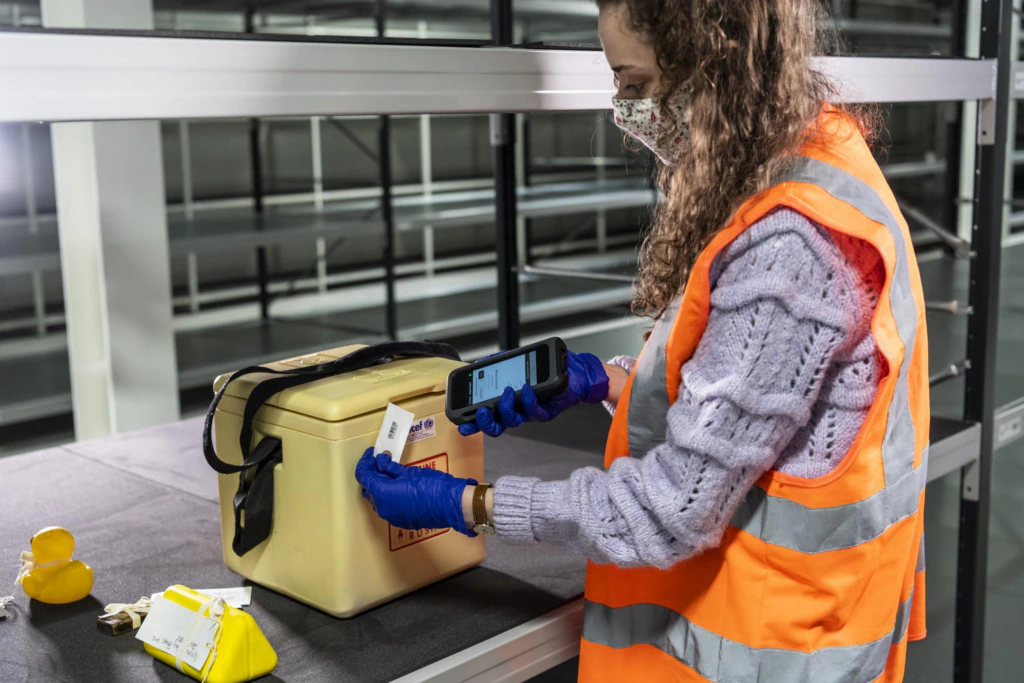
The space is designed to be welcoming for visitors, and the collections team is particularly looking forward to bringing in school groups – something that wasn’t possible in the cramped confines of Blythe House.
Another room that museum staff are excited to put to use is the exhibition layout space, where the team can test drive their displays.
Advertisement
Bespoke features
The building is a utilitarian, steel-framed warehouse not dissimilar to the kind you’d see for a big retailer. But up close, every aspect of its design is bespoke and hi-tech, designed to accommodate the unique requirements of a museum with a collection that spans everything from steam trains to microscopic specimens.
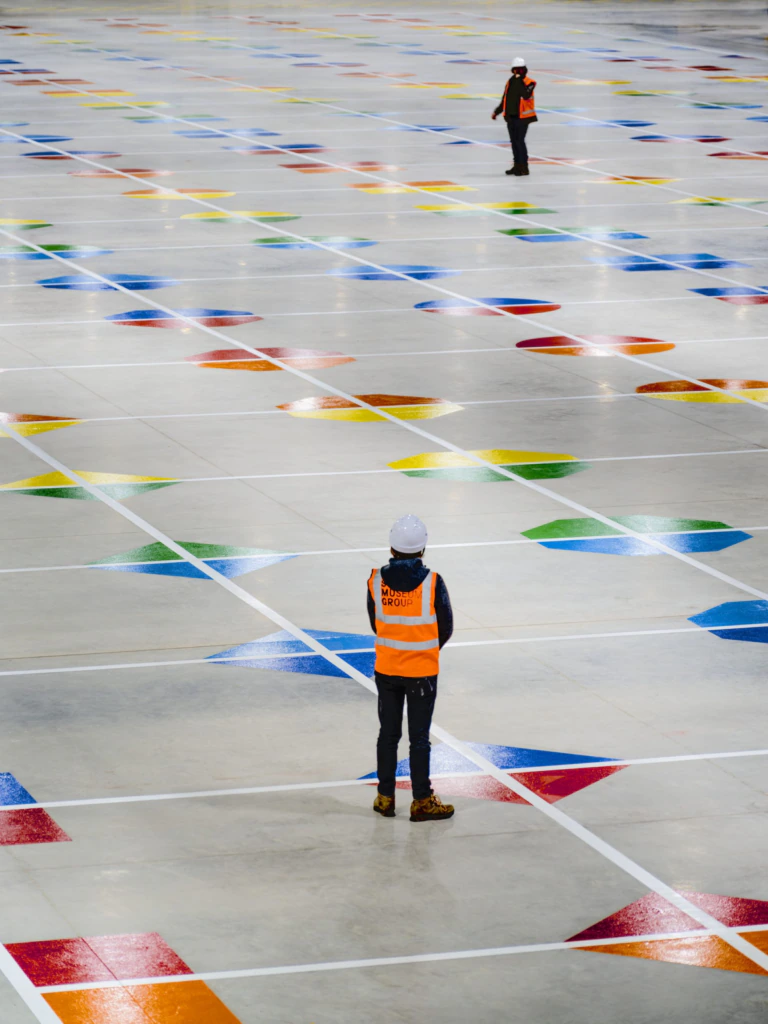
An expansive loading bay, which will be where the biggest items are eventually stored, features a grid of squares, each 3.6m by 3.6m – the average size of a large museum object and the turning width of a forklift. The high ceiling allows the building to house items up to 6m tall, enough to fit all but the largest items in the collection.
“We had a very strong focus on making it fit-for-purpose: very simple and practical,” says Peter Rom, head of delivery for the storage centre project. “We're not putting anything here to be pretty. The collections that go in here will create their own drama.”
Although sparse, the space is brightened by features like the functional yet striking wayfinding system that uses strong colours and geometric patterns.
Advertisement
Sustainability was another guiding principle for the project: the building is the greenest of all the SMG’s sites. A layer of insulation keeps the temperature stable and means the building does not require heating – instead, an air system monitors the humidity and adjusts accordingly. All of the building's energy is generated from solar panels on the roof.
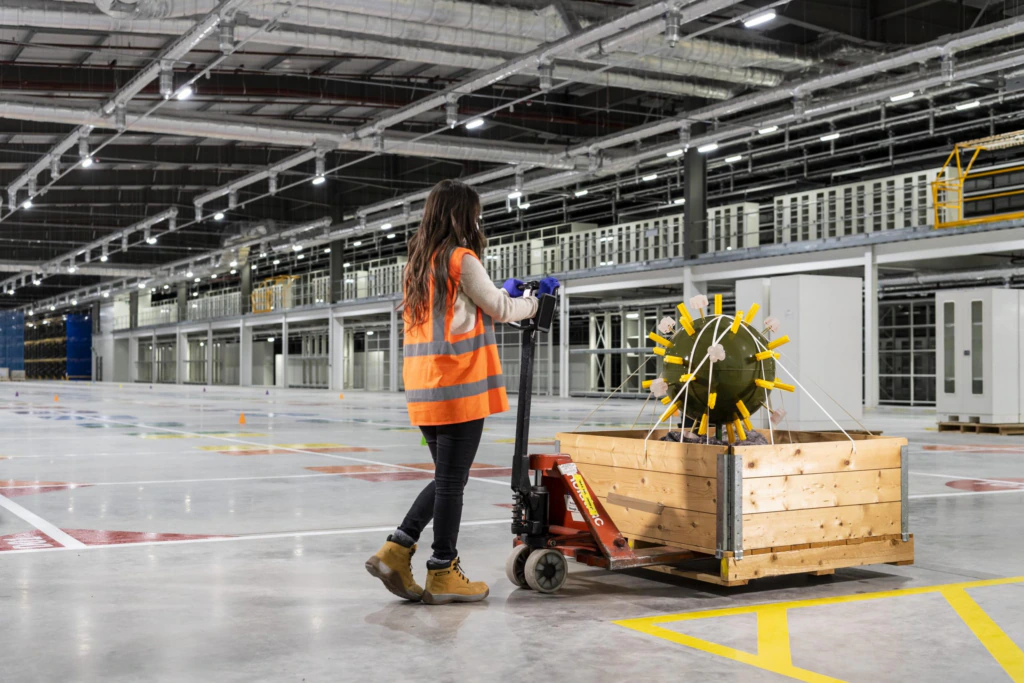
The first objects started arriving at the centre in the past few weeks – but even with 20,000 items already on the shelves, it will be a long time before the warehouse starts to look packed. The entire move is scheduled to take two years, with the SMG hoping to be ready to welcome the public in by 2024.
The institution's staff are not modest about their ambitions for the centre. “We want to be the most visited store in Europe,” says Humphreys.
With so much floor space, there'll certainly be enough room to fit everyone in.


Having been present at the key meeting with the Ministry of Defence Land Agency in 1978 which secured for the Science Museum the major part of what was then RAF Wroughton, thereby enabling continuing collecting of large objects of all kinds, but most significantly aircraft, I am very impressed by the latest developments at this facility so vividly described and illustrated in Geraldine Kendall Adams article. However I suspect that there has been something of a problem with metric units, notably that ‘six square kilometres of floor space’ would require the new building to be almost three times the area of the entire airfield, whilst ‘30,000 km of open shelving’ is certainly ‘the stuff of dreams’ placing each of those 300,000 objects some 100 metres from its nearest neighbours on shelving which could stretch three-quarters of the distance around our planet at its Equator. Notwithstanding these quibbles, it is hugely to the credit of the present Trustees and Director of the Science Museum Group to have created the new resources which promise efficiency on all fronts and secure collecting ambitions for decades to come.
(Dr Derek A Robinson, Keeper, Science Museum, London, 1978-99.)
Hi Derek, it’s fascinating to hear you were at the original meeting back in 1978. Thank you very much for your comments about the figures – having checked back through my notes I realise I mistakenly translated 30k metres as 30 kilometres. I will double check with the SMG about the 6km sq figure but have amended the article to avoid any confusion. I think you can probably see why I chose a career in journalism rather than engineering!
Best wishes,
Geraldine