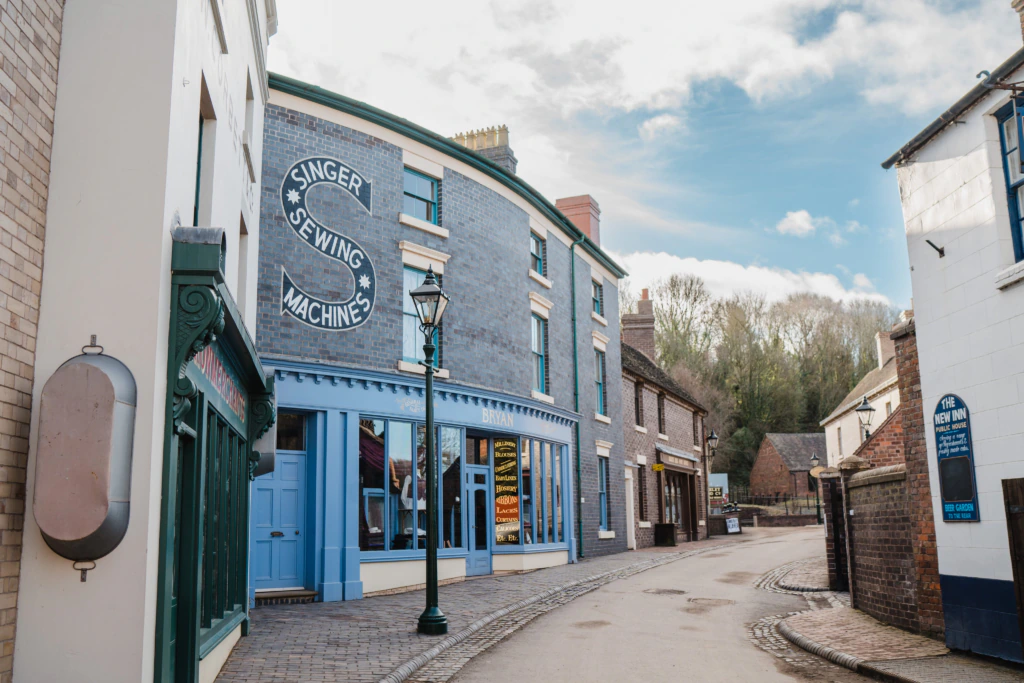
Many UK museums based on industrial heritage are struggling with rising costs and falling visitor numbers, highlighted by the National Trust taking control of Ironbridge Gorge Museums’ 10 museums and 35 listed buildings.
The running of the Unesco world heritage site was transferred to the National Trust on 2 March, with the loss of 47 roles.
UK culture secretary Lisa Nandy told reporters last October that the transfer was urgently required to secure the site’s future.
“If we hadn’t intervened and formed this partnership with the National Trust, I think it’s fair to say that people who grew up coming here as children would not be bringing their children and grandchildren here in future years,” she said.
The Department for Culture, Media and Sport invested £9m in the transfer. Most of the posts lost are in management and support function areas such as finance, IT, human resources and marketing, which already exist within the National Trust.
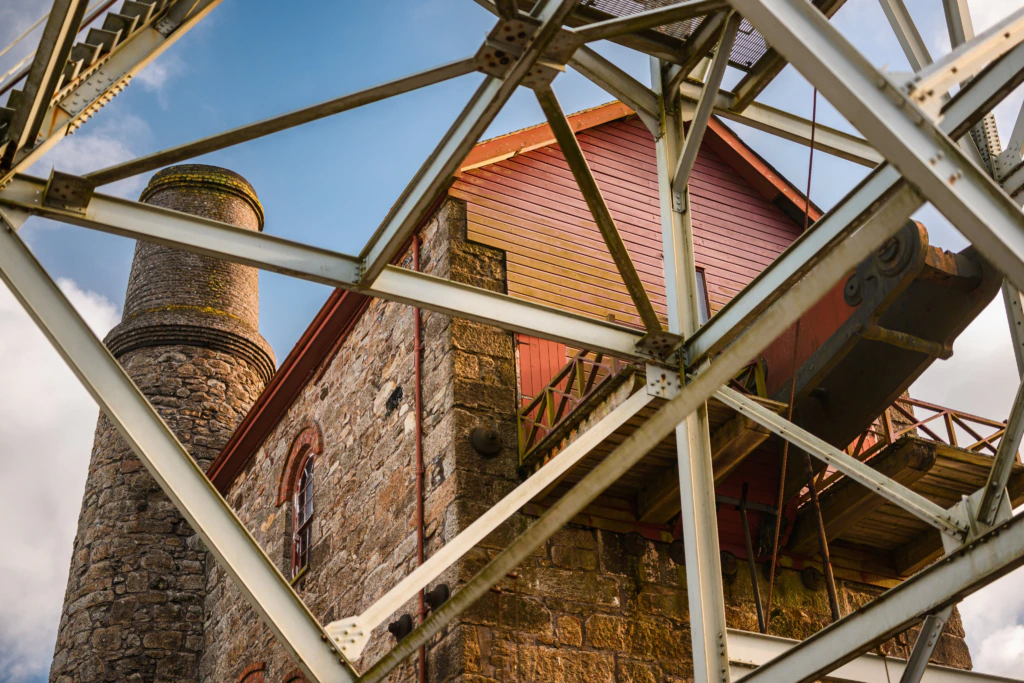
In January, the National Trust also announced plans to manage Heartlands in Cornwall, home to Robinson’s Engine House and a gateway to the 10 districts that make up the Cornwall and West Devon Mining world heritage site – the UK’s largest industrial world heritage site.
Difficult year
Michael Nevell, who was the industrial heritage support officer for England at the Ironbridge Gorge Museum Trust, says the past year has been particularly difficult for industrial museums.
Advertisement
The Industrial Heritage Networks Annual Report for 2024-25 reveals that issues have included dwindling support from local authorities, resulting in “an increase in local authority supported sites closing”.
“Local heritage museums and industrial museums appreciate local authority links, but that’s tricky at the moment,” says Nevell.
“Two of the sites that closed last year were local authority supported. There’s an increasing problem around talking to people in local authorities about conservation and grants. In terms of grants, all of the major sources seem to be down from the previous year, reflecting the stresses and strains in the sector. There is less money available.”
Many smaller sites are struggling. In October, Walsall Council approved plans to relocate Walsall Leather Museum and to lease out the leather factory in which it is located.
Visitor numbers have not returned to pre-Covid levels at many industrial museums, while recruiting and retaining volunteers can also be difficult.
“There’s always a succession problem around keeping that going,” says Nevell, of the volunteers issue. “It’s the age-old problem of getting younger people in their 20s and 30s involved.”
Advertisement
According to Nevell, “the sector has a unique set of problems which are showing some strain across a number of sites”. Wetter winters have led
to building damage and higher maintenance costs through a rise in the number of floods. Industrial sites reliant on water, meanwhile, have suffered from drier summers.
As many industrial museums are in rural areas, it’s not always cheap for visitors to access them. Maintaining complex industrial machinery is also costly, while the price of heritage fuels such as coal have soared since 2020, so it’s expensive to keep boilers running.
Sites at risk
Industrial sites feature heavily on Historic England’s Heritage at Risk Register. Many of those under threat are in gasworks, mills or pumping stations.
Industrial Museums Scotland coordinator Rosie Shackleton highlights costs to industrial museums in Scotland, including clearing asbestos and maintaining machinery.
Advertisement
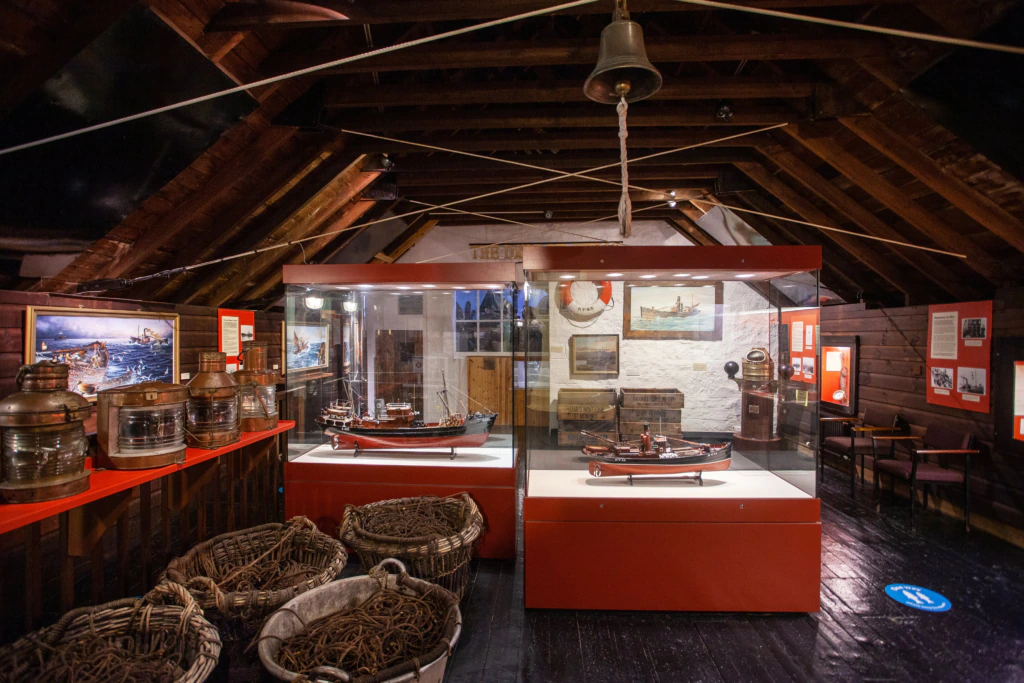
She says: “The sector is in crisis – and industrial museums have always been on the back foot... funding is 100% a challenge. The Scottish government funds three of our museums – the National Mining Museum of Scotland, Scottish Maritime Museum and Scottish Fisheries Museum – but the allowance has not increased in a number of years, despite the costs going up.”
Shackleton was also keen to highlight positive developments. “We’re seeing groups like Museums Galleries Scotland get its Museum Futures funding renewed from the Scottish government, so we are getting money pumped into the sector – but it’s not necessarily going to the day-to-day running of our three main museums,” she says.
“It’s important to say that there are so many exciting projects going on within our network at the moment that sometimes get overlooked because we’re focusing too much on running costs and visitor numbers.”
“The sector is in crisis – and industrial museums have always been on the back foot”
Significant investment
Indeed, it is not all bad news for museums based in industrial sites, with some benefiting from significant investment.
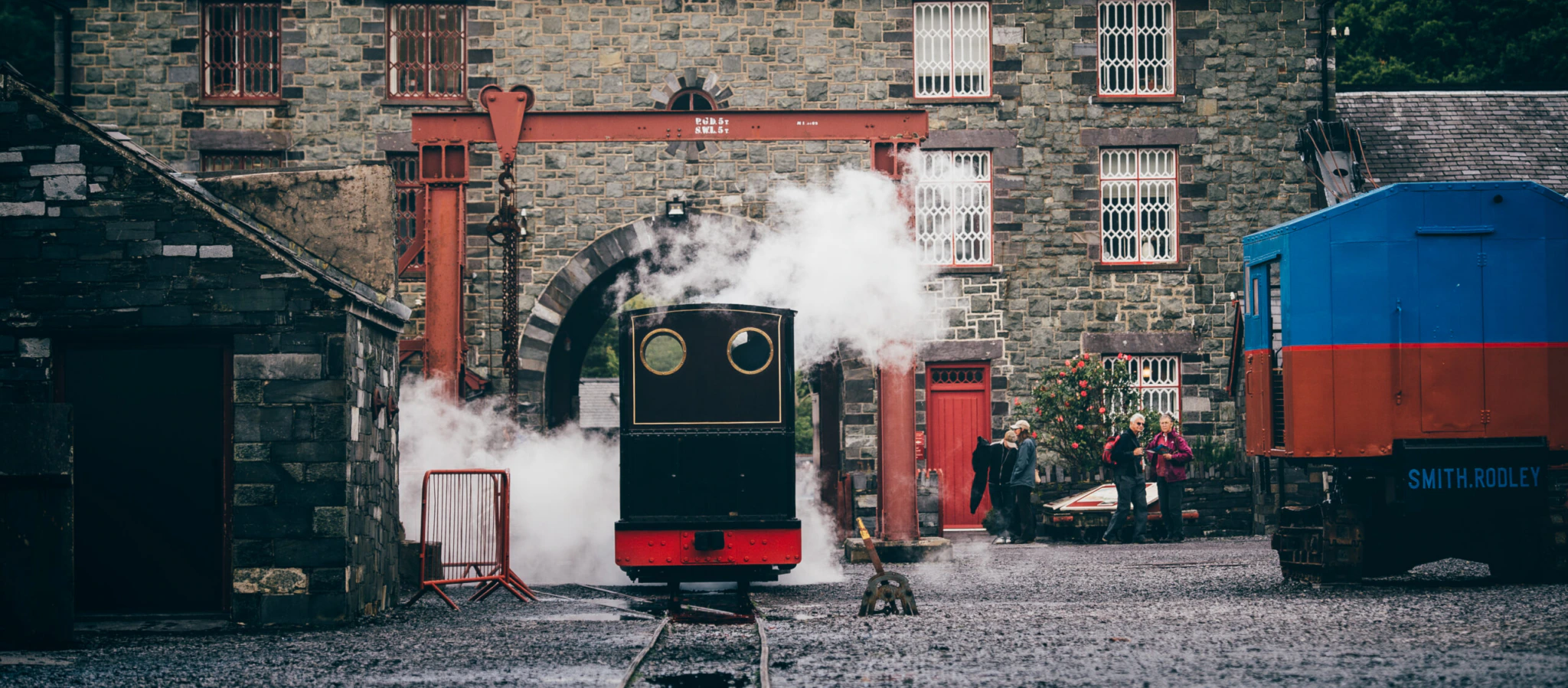
Last July, the National Lottery Heritage Fund awarded the National Slate Museum in Llanberis £12m towards costs for a new learning centre, play area, shop and cafe, as well as new exhibition and interpretation provision, and accessibility improvements.
Other industrial heritage sites are looking at ways to tell fresh stories, so that they can attract new audiences. Brandi Hall-Crossgrove, site officer at Saltaire world heritage site, says 11 Unesco-designated sites in the UK have an industrial component, and telling the story of how climate change relates to these might help boost visitor numbers.
“We’ve been trying to work together to tell that one united story of the Industrial Revolution and everything that talks about,” she says. “I would say the funny thing about climate change is that we’re going back to the ways that these mills were run at first.
“So New Lanark and Darent Valley have both reinstated water wheels. Even though it sounds as if it might be a negative connotation at first, we’re going back to how we originally did it.”
If industrial heritage sites are to flourish in the future, they will need to find ways in which to appeal to audiences that have many other options for what to do with their leisure time.
Otherwise, there is a danger that the stories they can tell will be lost for ever.