From giving advice on innovative conservation techniques to exploring new ways to engage visitors, Subject Specialist Networks (SSN) provide a vital way for collections experts to share their knowledge.
Their support includes training, networking and other professional development opportunities, all of which are becoming ever-more important at a time when those working in specialist roles are under increasing pressure from the ongoing budgets cuts that have affected many museums.
But while demand for their services is increasing, many SSNs are having a tough time. Funding for their work has largely dried up, and with many museum staff under pressure to do more with less, it is becoming difficult for many SSNs to sustain themselves.
As many are run entirely by volunteers, employers that allow staff time to support SSNs are more important than ever.
End of the road
Some networks have simply ceased to exist. With little financial support, they are particularly vulnerable when staff move jobs and don’t have the time or inclination to support them. Many subject specialist websites are no longer updated and have been left to fall into irrelevance.
Advertisement
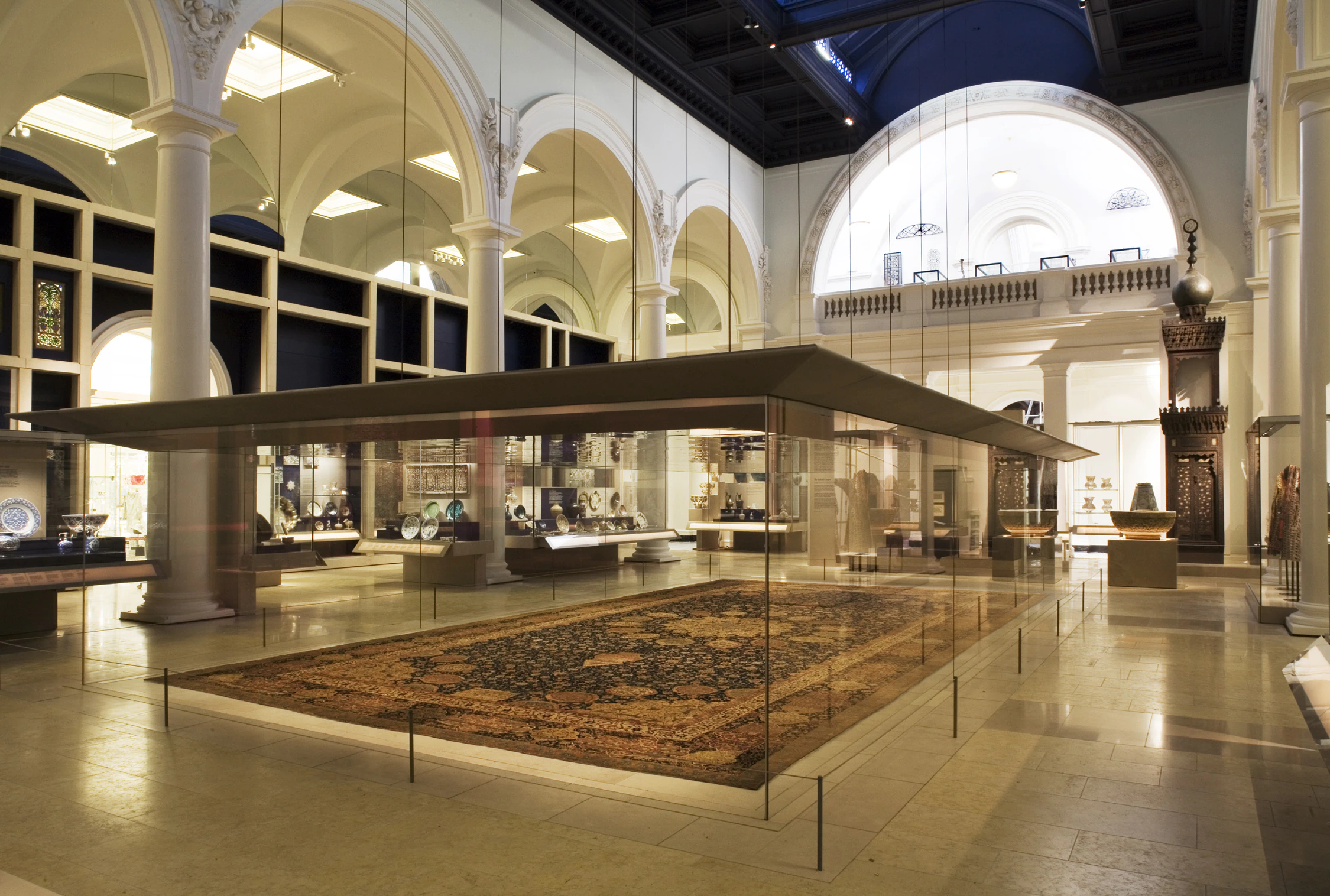
The fate of the SSN supporting Islamic Art and Material Culture (IAMC) is typical. The SSN’s work was based on a survey indicating a lack of expertise and confidence that meant museum staff were not using Islamic art collections. This led to the development of an initiative that offered museums support to help identify and catalogue collections and develop engagement in.
Rebecca Bridgman was chair of the SSN – which had been hosted by Birmingham Museums Trust, where she worked – but moved to a role outside of the subject when she became the head of collections and programme at the Box, which is run by Plymouth City Council.
“The SSN has been largely inactive since our funding ended from Arts Council England (ACE) in 2021,” says Bridgman.
Those involved in the SSN did discuss its future at a seminar hosted by the Victoria and Albert Museum and the Barakat Trust late last year.
“A possible direction was suggested but we haven’t yet been able to firm this up,” says Bridgman. “So the future for the SSN is unclear. We need other individuals and organisations to step forward and offer support if it is to continue, as the previous committee is largely now in other roles and unable to offer support.”
Not all doom and gloom
Despite all the bad news, some SSNs have managed to carry on operating effectively. But it is often a struggle. The Rural Museums Network is one of the more active SSNs.
Advertisement
The network’s treasurer, Hannah Jackson, says: “We would love to be able to reach out to more members and to be an even better voice for the rural museums sector.
“Our committee is always keen to ensure that we represent the network as a whole, in terms of the types of museums and individuals involved, the geographical spread and the various roles we have within our organisations. I’m sure there is always more that we can do.
“Our issue is always people’s time,” Jackson continues. “Our committee are all volunteers, fitting Rural Museum Network activities and tasks around other jobs, which can be incredibly demanding, with everyone across the sector being asked to do more with less.”
Funding challenges
Funding is obviously a key challenge for SSNs. The last round of ACE National Lottery Development Funding for SSNs was in 2018.
Advertisement
“This funding continued supporting projects until 2021, after which the fund closed to bring our funding in line with other art forms and to enable us to be more responsive to sector need, an ACE spokesperson says.
“SSNs can still apply for National Lottery Project Grants (NLPG) funding. Examples of where we have funded SSNs via NLPG include the British Art Network, Understanding British Portraiture and the Transatlantic Slavery and Legacies in Museums forum.”
Value of SSNs
Justine Reilly is enthusiastic advocate for the work of SSNs, and is involved in two of them – she is the director of Sporting Heritage and the Neurodiverse Museum.
But she has been left frustrated by the lack of support that the sector gives these networks. She was part of a group that pulled together a group of SSNs to create a consortium, but this no longer functions because of a lack of funding.
Among the changes that Reilly would like to see is a strategy to support SSNs, including regular and reliable funding from ACE, as well as funders in the other UK nations.
“SSNs are central to museum policy, practice and delivery – they’re absolutely crucial, but don’t have any funding,” Reilly says. “The arts council has got the funding that actually would make the difference, because it isn’t lots of money that we need.”
Being able to secure funding is always going to be part of the solution for SSNs in the future, but having access to expertise on subjects such as governance, charity law and digital skills is also beneficial.
Emma Nicholls, the collections manager for vertebrate palaeontology at the Oxford University Museum of Natural History, is the chair of the Geological Collections Group (GCG), another active and dynamic SSN.
“For the GCG, it is not finance that is the problem, it is about skills and capacity,” she says. “All of us on the committee are volunteers trying to do a lot. People working in museums are having to do more and more, and trying to combine that with making time for the GCG work is getting harder and harder.”
As an example of where the GCG could benefit from help, Nicholls points to the work it is having to do after recently becoming a Community Interest Company. Some outside support would have helped the committee.
The future of SSNs has come up as an issue in the research that the Museums Association has been doing for its Empowering Collections report, which is being updated to reflect the many changes in the sector since it was first published in 2019.
The feeling in the sector is that SSNs don’t require massive resources to support what they do, but they do need some help if they are to continue to provide advice on the many specialist areas that make museums such fascinating places.