
As the sixth anniversary of the Covid pandemic approaches, it’s becoming clearer with every passing year that the shutdown of 2020 had a long sting in its tail for museums and heritage.
The visitor figures for UK attractions bear out what many institutions have anecdotally reported to Museums Journal: while footfall rose gradually – in line with expectations – in the first few years after Covid, many museums saw it plateau and even start to drop around 2024.
A five-year analysis of about 1,200 non-national Accredited museums in England – produced by Arts Council England from Museum Development England’s annual survey – found that, on average, annual visitor numbers in 2023-24 remained 10% down on 2019-20 and half of all respondents had not seen footfall recover to pre-pandemic levels.
Overall, since 2019-20 50% of museums reported a drop in visitor numbers, with three in 10 suffering a fall of at least 25%.
But Museum Development England’s latest annual survey, published in October, gave more reason for optimism. The 2025 results showed a more stable picture, finding that non-national museums have now, on average, regained pre-pandemic visitor levels, with three in 10 reporting a significant increase in on-site visitors over the past year and more than two-thirds feeling that the outlook for the coming year is positive.
However, this recovery was not evenly spread, with one in four museums reporting a significant decrease in visitors over the past 12 months.
Advertisement
The picture for national and large London-based venues is also mixed. The difficulties facing major art galleries such as the Tate and Royal Academy of Arts have been widely reported, with both embarking on major redundancy programmes last year due to a sluggish post-Covid recovery.
Visitor Voices: Understanding Your Audiences
Online conference, 8 July
Global changes have led to a profound shift in the way that audiences perceive and engage with museums.
Discover the latest insights from our panel of audience experts and hear how your organisation can adapt.
Fall in overseas visitors
A range of factors has been blamed – from the move to home working to accusations of overly “woke” exhibition programming – but the galleries say the main reason has been a fall in overseas visitors, who have not returned to the UK in the same numbers following the double whammy of Covid and Brexit. Tate recently implemented new measures, such as regular evening openings, to lure visitors back.
Independent museums have also reported a slow recovery. In a recent flash survey by the Association of Independent Museums (AIM), 42% of respondents said footfall over the past 12 months had been below expectations, with just 16% saying it had been better than predicted.
Several museums, however, did record improved visitor numbers, helped by special exhibitions, new facilities and local events. Family-focused programming and community activities proved especially successful, according to AIM, leading to longer visitor dwell times and deeper engagement.
Advertisement
Many of the reasons for fluctuations in footfall are beyond the control of museums – the warm spring and summer proved a challenge in 2025. But it has become evident that visitor behaviour itself has changed significantly since Covid.
The cost-of-living crisis after the pandemic has had a lasting impact. Many families choose to spend less on perceived luxuries such as days out, plan their visits at shorter notice and restrict their secondary spend on site.
But museums aren’t facing only economic challenges. A recent report by digital experience agency Manifesto revealed that they are finding it harder to meet customer expectations due to “fragmented internal operations, disconnected technology and risk-averse cultures”.
The report found that the over-saturated and increasingly sophisticated market for “experiences” is affecting the footfall at museums.
“Audience expectations for digitally immersive experiences are being set by tech giants like Netflix and TikTok,” said the report. “Only 30% of visitors [to UK museums] remain engaged after a visit, and this is only if their expectations were exceeded during their experience.”
Increasingly vulnerable
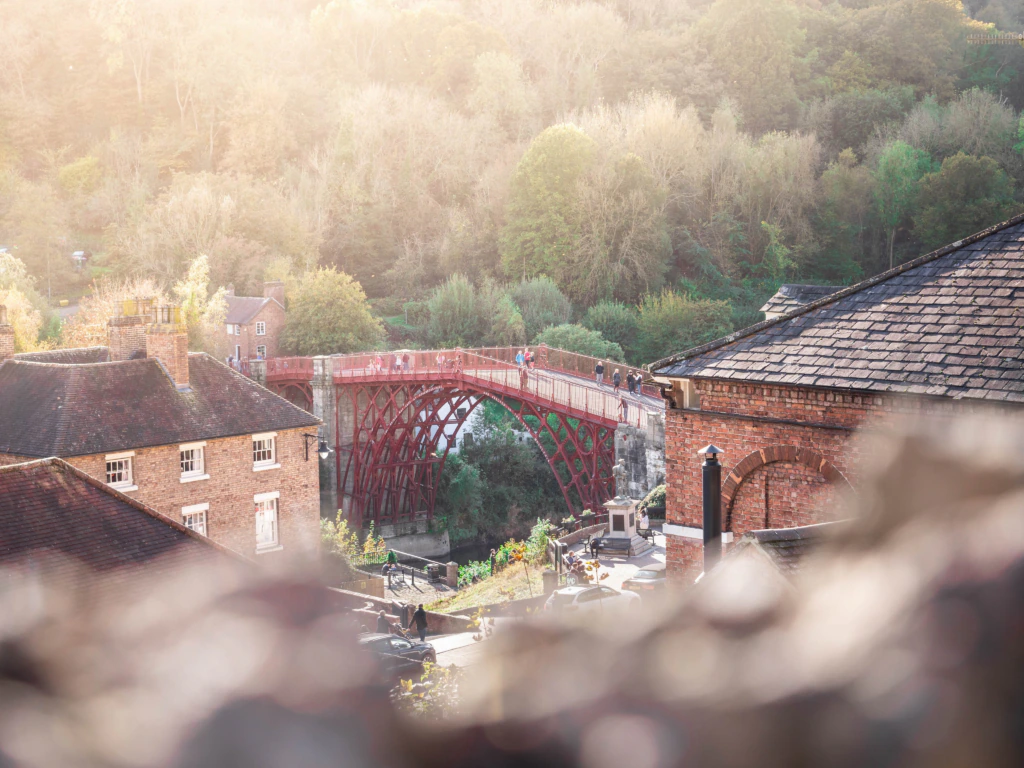
Many sites are clearly more vulnerable to fluctuations than they were before Covid. The Ironbridge Gorge Museums Trust made national headlines last year when it announced that its sites would be transferred to the management of the National Trust, citing low visitor numbers as a key reason (see box).
Advertisement
This can become a vicious circle: low footfall causes financial instability and leads a museum – or its governing authority – to introduce or raise entry fees and cut opening hours, exacerbating the original problem.
Lower footfall prompts Ironbridge to transfer assets to NT
Ironbridge Gorge Museum Trust’s (IGMT) 10 museums and 35 listed heritage buildings will transfer to the care of the National Trust (NT) in March this year.
Recognised globally as the birthplace of the Industrial Revolution, Ironbridge Gorge has had a difficult few years, including repeated flooding at several sites. Visitor numbers have flatlined since the pandemic from a pre-Covid high of 450,000 a year to about 330,000 in 2024.
Lower visitor figures have been a significant factor in the decision to move to the National Trust, says IGMT’s interim chief executive, Karen Davies.
“Visitor figures have not returned to pre-Covid levels, due in part to changing visitor habits and in part to the cost-of-living crisis,” she says.
“The last five years have presented charities and visitor attractions with unprecedented challenges, including a tough economic environment, and the trust’s financial situation has become unsustainable.
“Despite various initiatives over the years to grow back visitor numbers – such as the Madeley Wood Outdoor Adventure; comprehensive conservation work through the Arts Council England-funded Museum Estate and Development project and the Conserving the Historic Estate project, funded via the National Heritage Memorial Fund; improvements to programming, special events, our catering and retail offer; and increased investment in marketing – we have not been able to secure the c.450,000 visitors per year that we need to remain viable. In addition, the escalation in our cost base has exacerbated the situation.”
It is hoped that the move, which is being supported by a £9m grant from the Department for Culture, Media and Sport, will see Ironbridge benefit from the strength of the National Trust’s brand and its large membership base, as well as its expertise in delivering visitor experiences.
Bernard Donoghue, the director of the Association of Leading Visitor Attractions, says museums and galleries are considered good value for money, despite the sector’s slow growth.
“Museums and galleries comprise the clear majority of the UK’s 20 most popular attractions, not just because of blockbuster exhibitions but because of their enduring appeal to domestic and overseas visitors alike,” he says.
“As visitors weigh up the relative value of a membership of a gallery, museum or visitor attraction against a streaming service subscription, for example, venues need to be clear about the added value they represent, the enjoyment and entertainment they can provide, and the totality of the visitor experience, including catering and retail.”

Donoghue says risk-taking has a role to play, with numbers driven up by ambitious temporary projects such as large-scale displays and winter light shows.
The current challenging environment calls for “more creativity, ingenuity, a greater appetite for risk and a desire to work with unusual suspects in fostering creative partnerships to entice new audiences”, he says.
Visitor figures: views from the sector
Linda Conlon, Centre for Life, Newcastle
“Last summer we introduced a Universal Credit ticket for £3. The numbers have increased – even on very sunny days – and we are seeing people who have never visited before. They are spending money in the cafe and shop. We know that price is a big barrier to entry in north-east England and this proves it. Can we afford to keep it going as a permanent option? Probably not.”
Tony Butler, Derby Museums Trust
“Some of the city centres I have visited this summer have seemed quieter, less active. I’d be interested to see data on wider footfall to city centres, as well as individual attractions. Is something else going on? Are folk choosing to stay in their homes or going out of town? What are the implications for city centre or central business district-based museums and cultural centres?”
Zak Mensah, Birmingham Museums Trust
“This year and last year has been tough on the paid front. We are seeing lower figures this year, but also that visitors are deciding what and where to visit more last minute, rather than planning ahead and pre-buying tickets for day trips and events. Perhaps this is due to tighter household budgets and rising costs?”
Source: Responses to a Museums Association call-out on LinkedIn

This article raises many valid points however it does not examine that local authority financial woes have led to fewer staff and reduced opening hours at many institutions across the country. The museum at which I work has had its hours reduced from Tuesday to Saturday and Sunday afternoons before Covid to just Thursday to Saturday. Two full time roles, our Exhibition Officer (who also did our marketing) and our Learning and Engagement Manager posts were deleted. Cuts to the rest of the council have reduced support from the Corporate Centre, Communications, finance, property services and admin placing further strain. We are therefore looking to complete our financial year with about 25k visits rather than the 50k pre-Covid. This article can only have limited validity if it doesn’t look at the structural changes taking place within the cultural sector due to the austerity still experienced by local authority services. For those of us hanging on by our fingernails to keep our doors open, still offering what exhibitions and programmes we can this type of analysis is yet another kick in the teeth because the subtext is we simply aren’t being radical enough, or trying hard enough, or simply good enough