
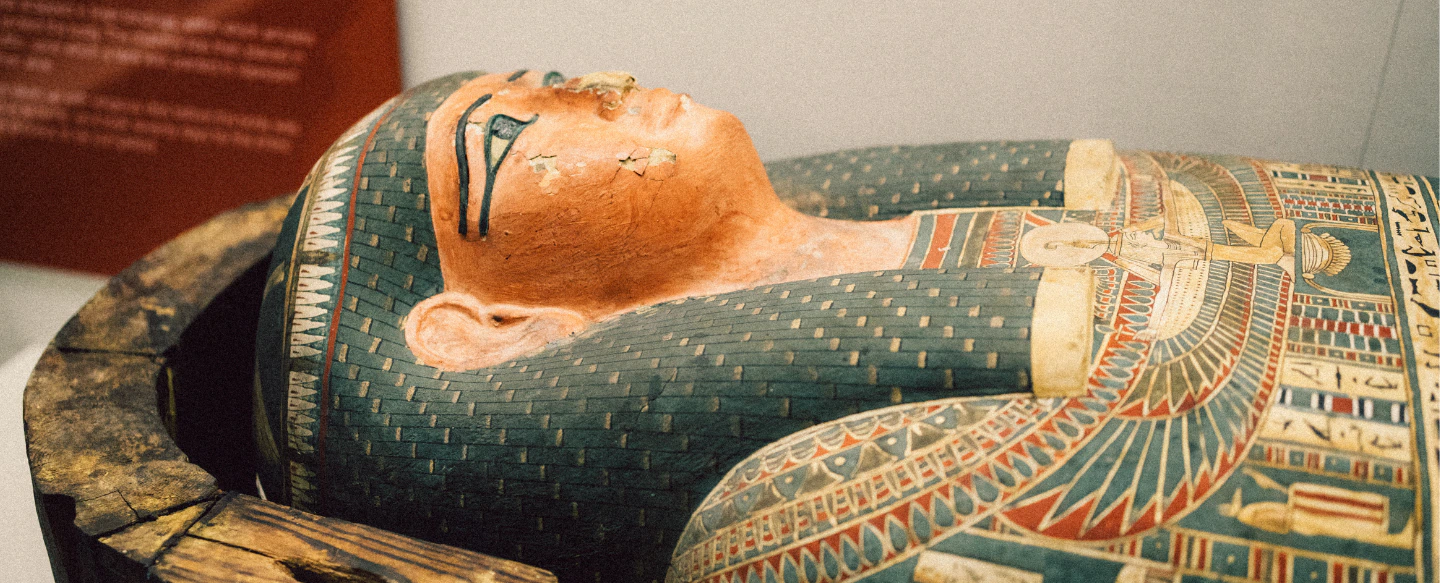
The heritage and archaeology sectors have long grappled with questions around the treatment of human remains. But debate on the issue in the UK changed this year with the publication of a report by the All-Party Parliamentary Group for Afrikan Reparations (APPG-AR).
The Laying Our Ancestors to Rest policy brief highlighted the “profound distress to diaspora communities” caused by the continued presence of African ancestral remains, mostly acquired during the colonial era, in UK collections.
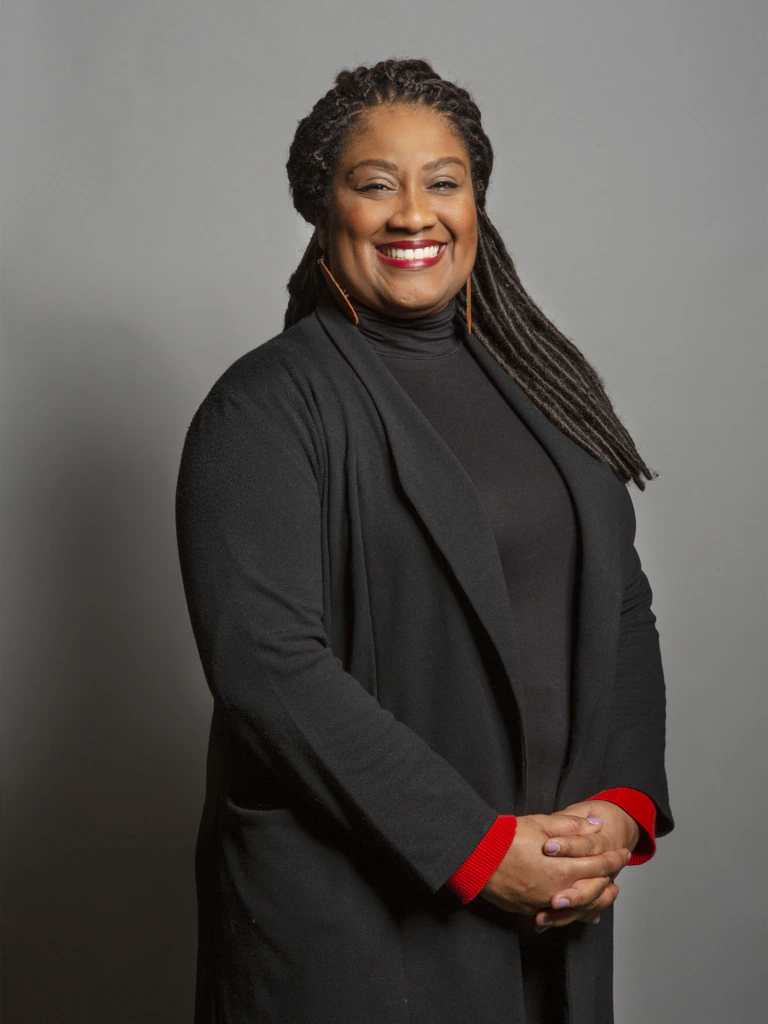
The report was based on research conducted by the African Foundation for Development UK (Afford-UK) into the retention, return, sale, public display and other uses of such remains, and led to a debate in the House of Lords proposed by the Labour peer Paul Boateng.
“The offence is real and the hurt continues from generation to generation,” Boateng told the house, adding that the “continued retention and objectifying of the remains of Indigenous peoples in our public collections, against the will of their descendants and the originating communities concerned, must cease”.
Robust legal frameworks
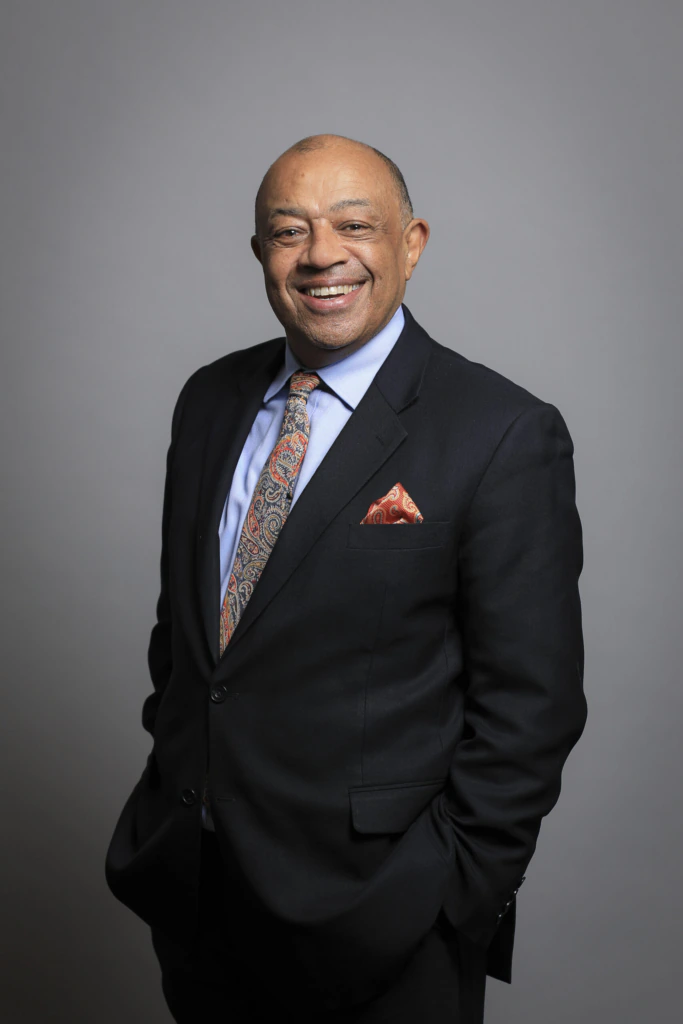
Labour MP Bell Ribeiro-Addy, who chairs the APPG-AR, called on the UK government to urgently establish “robust legal frameworks to ensure the dignified treatment and rightful return of these remains”, saying that the heritage sector itself has been slow and inconsistent in driving reform.
Advertisement
The parliamentary group is calling for the regulations in the Human Tissue Act 2004 – which apply to storage conditions, licensing and the question of consent, and cover the remains of those who died in the past 100 years – to be extended to cover all human remains.
The legislation should be amended to “expressly make an offence of the public display of human remains, except if appropriate consent is obtained or for religious or funerary purposes”, says the report.
Even before it became a live issue in parliament, there was a renewed conversation about human remains in museum, heritage and archaeology circles.
In tandem with wider changes around decolonisation and repatriation, practice in this area has evolved significantly over the past decade. There is much greater sensitivity about the display of remains, with some institutions choosing to exhibit them only after obtaining consent from communities of origin.
The language used to refer to human tissue is also evolving – many museums now talk about, for example, ancestral or mummified remains rather than “specimens” to emphasise the humanity of the dead.
Advertisement
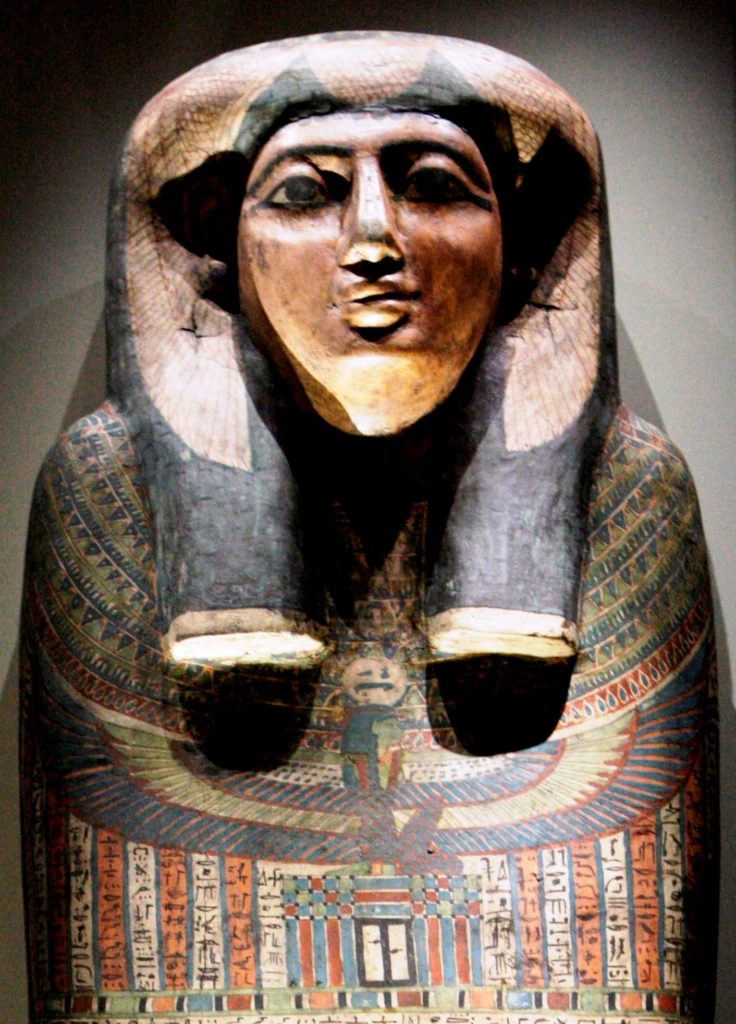
Some institutions are also engaging with the public on the issue. Manchester Museum opened a consultation earlier this year asking visitors if the body of Asru, a high-status Egyptian woman who lived around 700 BCE, should remain on display.
Some commentators believe museums should go further than seeking consent or public approval, however, and remove all remains from display.
In August, the Guardian Australia columnist Paul Daley wrote an account of his visit to the British Museum, describing “more than a passing unease at the dead ending up anonymised into collection items”.
He concluded: “It is never OK to have them on public view as objects of entertainment.”
There is concern that, in the current polarised climate, it is becoming more difficult to speak about such a contentious and emotive issue with nuance. But many museum and heritage professionals continue to believe in the value of retaining and displaying remains – a response from Folkstone Museum curator Corralie Clover to Daley’s piece argued that museums can provide a respectful and dignified environment for people to learn about death and connect with the ancient world, in contrast to the gore often found in other media.
Advertisement
The APPG-AR and Afford-UK did not respond to a request for comment, but while their report was largely welcomed within the heritage community, there were concerns about the far-reaching amendments being proposed.
‘Unintended consequences’
A statement released by eight archaeology sector bodies said they did not support the recommended changes to the legislation as they stand, cautioning that the wording of the report, which refers to all human remains without exception, could have “unintended consequences” if passed into law.
Ben Donnelly-Symes, the chair of the Society for Museum Archaeology, was one of the statement’s signatories. He emphasises that the organisations that signed the letter are broadly in agreement with the APPG-AR report, and welcome its recommendations around what he calls the “ethically abhorrent” sale of human remains.
“[Our concern] was some of the nuance in the language included in the recommendations that, if taken forward, would have impact beyond skeletal or human remains from Africa,” says Donnelly-Symes.
“It would impact how we store and display skeletal and human remains excavated in the UK, which make up the vast majority of remains stored in UK museums.”
“If you want to review this, please include archaeologists in those discussions”
Ben Donnelly-Symes
This could lead to more-complex licensing arrangements for common museum items – a lock of hair in a Victorian mourning brooch, for example – as well as raising questions about what can be done with ancient remains for which no consent to research or display can be obtained.
The joint statement also called for greater clarity around the report’s use of the term “ancestral remains” in any proposed legislative and policy changes, rather than the more specific “African ancestral remains”.
This prompted concern because of the connotations of “ancestral”, says Donnelly-Symes. The term is relevant to emerging ethical challenges around DNA research and genealogical descendancy, and has also been co-opted by some anti-immigration groups.
“We should be mindful that those with extreme political views use that term,” he says. “What we were trying to say was that this will have impacts beyond the initial remit of the report… We were trying to say, if you want to review this, please include archaeologists in those discussions.”
More broadly, Donnelly-Symes believes the sector should explore public opinion on the issue.
“We don’t have really up-to-date data on what the public view of this is,” he says. “The public perception [of displaying African remains] might be very different to us taking out several late Roman burials from Northamptonshire. There’s a lot of nuance that sometimes can be lost.”
Neil Redfern, the chair of the Council of British Archaeology, who also backed the statement, says the APPG-AR report has prompted an important conversation within the archaeology sector.
“We felt that the report was really important, really good,” he says. “We’re interested in how that conversation starts to move better into the archaeological world. In some ways, I would say museum practice is leading a lot of this conversation, and archaeological practice is catching up.”
Greater reflection
Redfern says that the ethical, emotional and moral questions raised by the debate need to prompt greater reflection within archaeology about the process behind excavating human remains.
“There is a potentially growing understanding that, with the excavation of human remains, there are human outcomes in the present for the people who are excavating them,” says Redfern. “I feel the conversation about how we become more reflective in this area is really important.”
“At the very centre of what we’re doing is dealing with past human lives”
Neil Redfern
Dealing with human remains involves a confrontation with the violence and loss of the past. “I would argue there is a lot of trauma in archaeology,” says Redfern. “I like to talk about archaeologists being the therapists of deep time. So no matter what the scientific conversation is, you have to have that reflective practice, because at the very centre of what we’re doing is dealing with past human lives.”
Although opinion differs significantly on the issue, there is broad consensus that existing legislation, and the Department for Culture, Media and Sport’s 2005 guidance on human remains, need updating.
“It’s about making sure that we’re having this debate, that there is updated guidance, that it starts to work for all these disparate conversations,” says Redfern.
“How do we bring them all together? How do you remember that you’re not the only person in the conversation? New guidance on human remains could be a good place to start.”
A new approach at National Museums NI
After developing a new human remains policy, National Museums Northern Ireland (NMNI) consulted the public about its existing display of Takabuti (pictured top), the mummified body of an Egyptian woman.
It found that the majority (83%) of visitors agreed that remains from Ancient Egypt should continue to be displayed if “done in a sensitive and respectful way”, while a similar proportion agreed that seeing such remains could help them to better understand and interact with the past.
However, 30% of respondents also found the display of such remains “offensive and unnecessary”, and 51% agreed that museums should try to return remains to their country of origin.
NMNI had the opportunity to put its new policy into practice following the discovery of a rare ancient bog body, Ballymacombs More Woman, in 2023.
The institution has prioritised an ethical approach to research and communications around the remains, choosing not to show images of the body, as it may have done in the past.
The museum has also been open with the media about the fact that, due to the violent nature of the woman’s death, the remains are unlikely to ever go on public display.
This experience has demonstrated the importance of speaking publicly about the complexity of this work, according to NMNI.
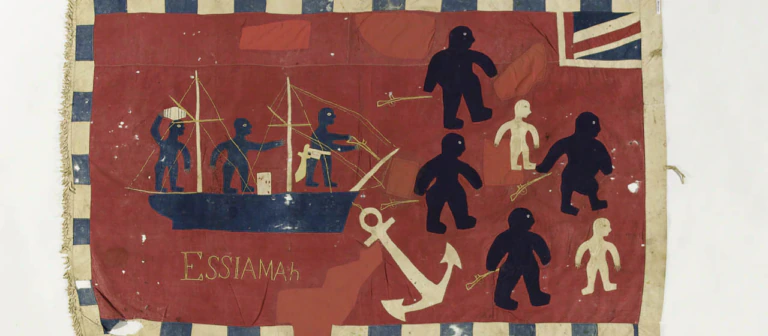
In the Report prepared by the Working Group on Human Remains in 2003, it was noted that human remains were acquired in a wide range of circumstances during the colonial period. At paragraph 65, it was observed that they included ‘duress, deceit, unlawful removal and, very occasionally, murder.’
The Report makes it clear that this wrongdoing (theft, duress, etc.) affected many human remains collected from colonised indigenous groups in Australia, Tasmania, New Zealand, America and parts of Africa.
In my view, the circumstances surrounding a particular acquisition are important, particularly because of the need to maintain public trust in museums and their collections. For example, if human remains have been stolen (such as by grave robbing), they should be repatriated to undo the wrongdoing which has taken place.
Page 12 of the DCMS Guidance for the Care of Human Remains in Museums (2005), provided legal advice in relation to modified remains under the sub-heading of ‘property and ownership’ which is not accurate. It states:
‘The laws of England and Wales do not recognise the concept of property (i.e. a right of ownership) in human bodies or tissue except where remains have been treated or altered through the application of skill…’
The first part of the first sentence is correct: there is no ownership of human remains. The second part of that sentence dealing with a ‘skill’ exception where human remains have been modified is misleading.
Ownership in human remains can only be acquired where the human remains have acquired different attributes by virtue of the application of skill of a licensed medical practitioner acting consistently with the Anatomy Act 1832 (or successive legislation) carrying out dissection or preservation techniques, for exhibition or teaching purposes.
There will be very few modified human remains in museum collections which satisfy these strict criteria. As regards the rest of the human remains in collections, museums do not own them. The fact that they have been bought and sold in the 19th century before being donated to a museum is irrelevant. Unless, the modifications to human remains complied with the Anatomy Act 1832 (and few would), any subsequent sale is irrelevant. The museum will not own them.