Museums and other cultural and educational institutions should stop the public display of African ancestral remains, a parliamentary policy briefing has said.
Commissioned by the All-Party Parliamentary Group on Afrikan Reparations, the Laying Ancestors to Rest report addresses the ethical, cultural and historical concerns surrounding African ancestral remains, many of which were taken during colonial rule.
The continued presence of those remains in British institutions “causes profound distress to diaspora communities and countries of origin, particularly when they are displayed or sold at auction”, says the report, adding that “in the context of ongoing debates about restitution and reparations, the need for decisive action has never been more urgent”.
The report was informed by a review of existing legislation and best practice, as well a consultation with museum practitioners, legal experts, academics, activists and members of the African diasporic community in the UK.
Among its 14 recommendations, the report calls on the UK Government to make a number of amendments to the Human Tissue Act 2004, including extending its scope to all human remains.
Advertisement
At present, Human Tissue Act regulations, which cover areas such as storage conditions and the question of consent, only apply to the remains of those who died in the past 100 years.
The report said the act should “govern activities relating to all human remains, without exceptions for the remains of persons who died before the act came into force and more than 100 years have elapsed since their death, imported human remains as well as ‘existing holdings’”.
The report said the act should be amended to “expressly make an offence of the public display of human remains, except if appropriate consent is obtained or for religious or funerary purposes”.
It says the act should be further amended to require museums and other institutions that hold human remains, no matter how old such remains are, to obtain a license from the Human Tissue Authority for their storage.
The briefing calls on the government to establish a national, independent human remains advisory panel, following the model of the UK Spoliation Advisory Panel, which works to resolve claims from people or their heirs who lost possession of cultural material during the Nazi era.
Advertisement
The report urges the museum sector to provide training to the public in museum cataloguing practices “with the aim that representatives from the community can actively contribute to the management of museum collections of African ancestral remains”.
It says funders should dedicate resources to research projects that map ancestral remains inventories in the UK’s cultural institutions.
It also calls on museums to revise their internal policies for the return of human remains and remove distinctions “between the return of human remains, modified human remains and cultural material”.
“It should be up to source communities to determine what falls within the definition of ancestral remains,” the report states.
Museums and cultural institutions should also remove some of their conditions around repatriation claims, the report says.
This would include the recommendation or requirement that claims for return should be made through a national government or government agency, or that claims should be accompanied by evidence that the remains were originally subjected to a mortuary practice or were intended for such.
Advertisement
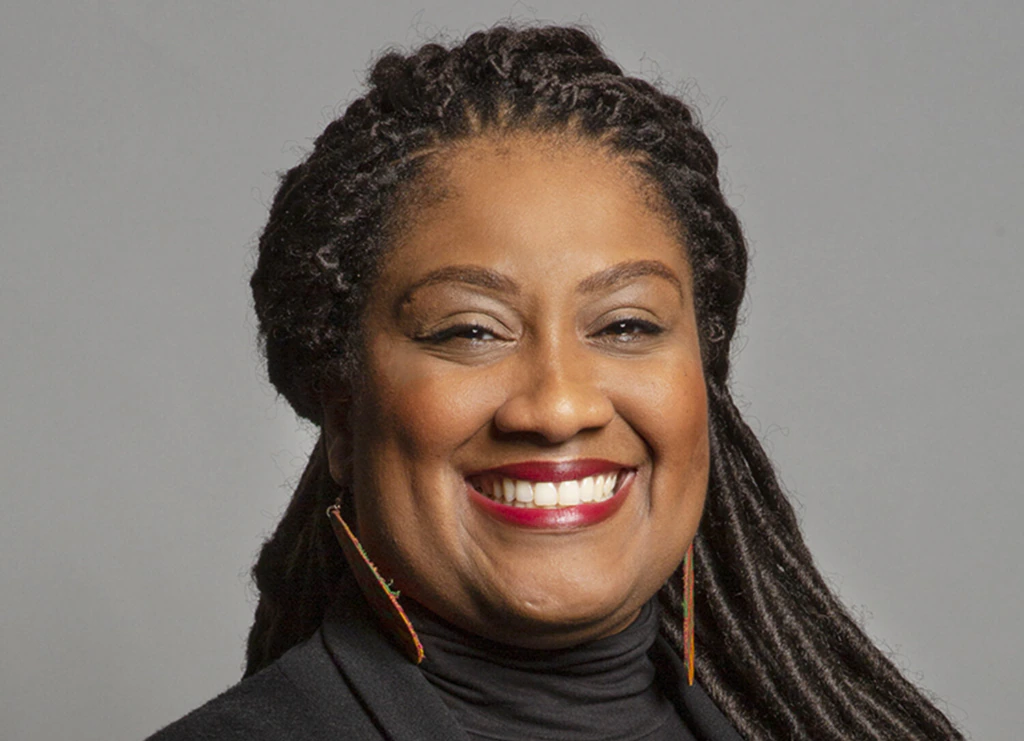
“It’s shocking that institutions continue to display African ancestral remains or that a market still exists for them in prestigious auction houses,” says Bell Rebeiro-Addy, chair of the APPG-AR.
“Internally driven institutional reforms have been slow and inconsistent. It’s time for government to lead, establishing robust legal frameworks to ensure the dignified treatment and rightful return of these remains.”
Guidance in the Museums Association’s (MA) Code of Ethics advises museums to take proactive steps to work with communities of origin and inform them of the presence of ancestral remains in museum collections.
MA policy office India Divers said: “The Museums Association (MA) believes that museums should be understanding of different religious, spiritual, and cultural perspectives when working with collections, particularly human remains.
“Museums should work with representatives of source communities and take proactive steps to inform them of the presence of human remains relevant to them in the museum’s collections, wherever practical. We encourage museums to develop a specific policy on human remains which outlines a clear process for handling proposals for the return of human remains.
“Museums have a responsibility to address their colonial legacies and this includes being honest with visitors about how the items in the museum were acquired.
“Proposals for restitution or repatriation can therefore be seen as an opportunity to learn and reflect, and to connect with people and the collection in new ways.”