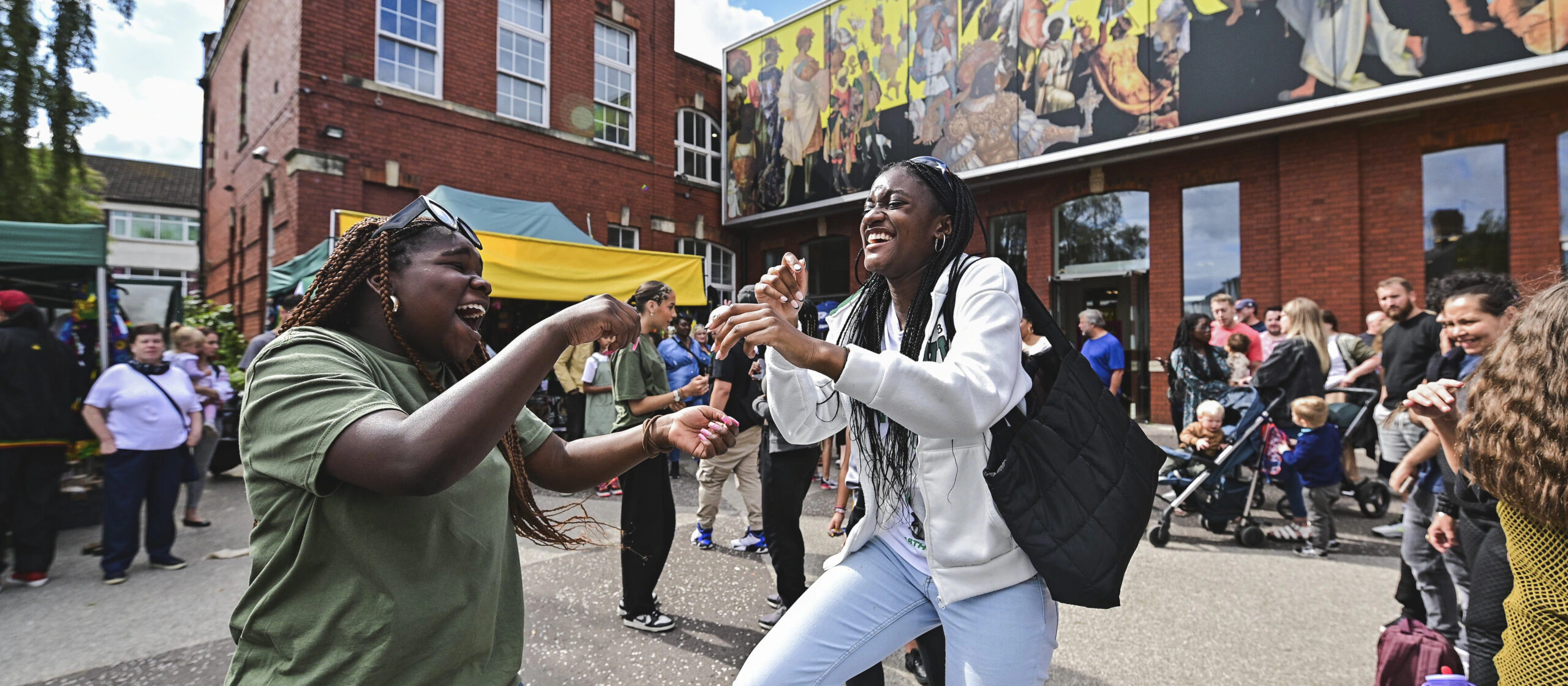
The work being done by the UK’s art galleries was recognised again in this year’s Art Fund Museum of the Year, with three of the five shortlisted institutions being galleries – Chapter in Cardiff, Compton Verney in Warwickshire and the Golden Thread Gallery in Belfast (the eventual winner was Beamish, the Living Museum of the North).
The Art Fund said it was looking for museums that are working “alongside communities, families and younger visitors, artists and creatives and harder-to-reach visitors” and wanted applicants to demonstrate that their work was “impactful, inclusive and innovative”.
Impactful, inclusive and innovative could describe the work of many UK galleries, including recent Museum of the Year winners such as Firstsite (2021), Aberdeen Art Gallery (2020), and Towner Art Gallery in Eastbourne, Sussex (a joint winner in 2020).
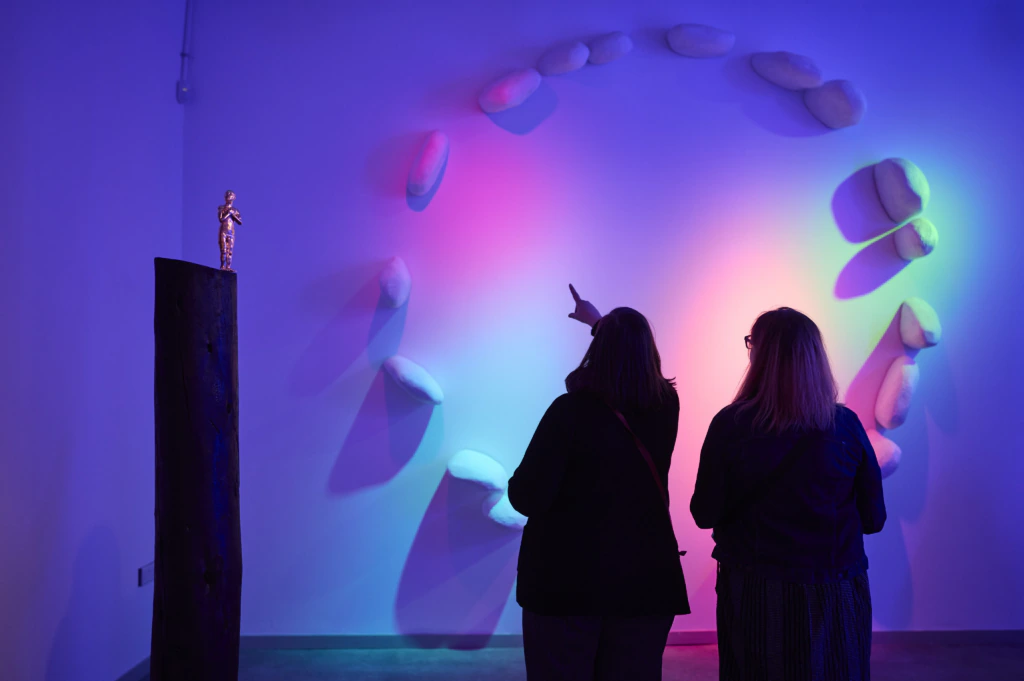
The Towner’s current exhibition, Sussex Modernism (23 May-28 September – see Museums Journal online for a review of the exhibition) is a good example of programming that is rooted in place and goes beyond the narratives exhibited at national institutions.
It foregrounds the idea of new regionalism, taking a multi-layered, multi-perspective approach to the area, exploring different ways of engaging with the landscape, cultures and histories of Sussex.
Advertisement
“There are undoubtedly challenges to operating outside London, but the possibilities for impact are significant,” says Towner director Joe Hill. “At Towner, we are able to reflect and respond to our local context in ways that feel deeply embedded and genuinely creative – not just as a gallery presenting exhibitions, but as a civic institution helping to shape the town’s future.
“There is a unique kind of proximity and trust that can be built in a town like Eastbourne, and with it, the chance to be present in people’s lives in a meaningful and long-term way.”
Curatorial experiment
Also in Sussex, Ditchling Museum of Art + Craft is presenting It Takes a Village (until 1 February 2026), which is described as a “living curatorial experiment that will shape the museum’s major redisplay planned for 2028”.
It displays the work of Eric Gill, who died in 1940 and was among the many artists who made Ditchling a creative hub in the 20th century. He also sexually abused his daughters. Staff and trustees at the museum have been engaged in a difficult and at times emotional process of deciding how they should present and interpret the work of Gill.
As part of It Takes a Village, displays about Gill’s legacy were shaped in direct collaboration with abuse survivors, a significant step for any arts organisation (see comment).
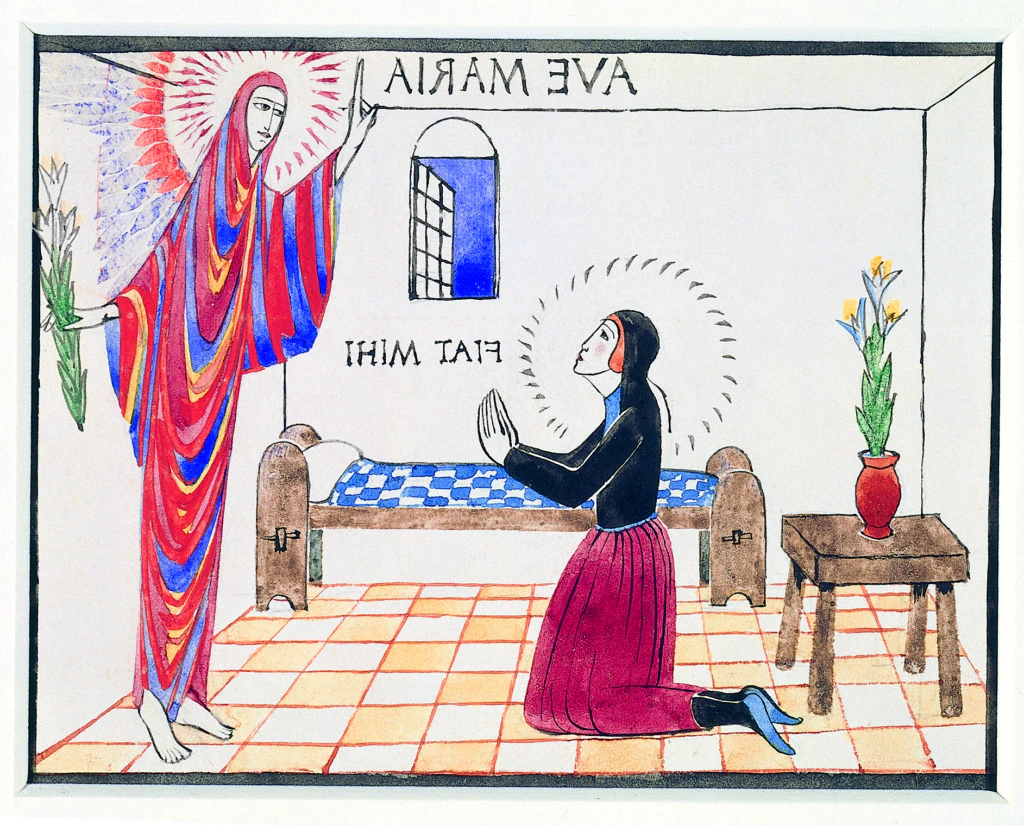
“We have worked for many years on how to appropriately interpret and display Gill’s work, most recently with a group of abuse survivors,” says director and CEO Steph Fuller.
Advertisement
“Because we’re doing the work, we also get strongly identified with Gill, which then distracts from other artists whose work we are championing.
“Our summer exhibition It Takes A Village plays into our strengths, showcasing work we’ve done with different groups, both local and national, exploring a wide range of topics. This work gives us deeper understanding of our collection and informs future interpretation and research.”
Like Hill at the Towner, Fuller is enthusiastic about what regional art galleries can achieve.
“Regional galleries have a unique perspective developed around their specific location,” says Fuller. “Ditchling Museum of Art + Craft has a strongly place-based collection, which it can contextualise in a deep way, giving a unique insight into artists’ practice and context, and local people feel a lot of pride in the importance of the place they live because of this.
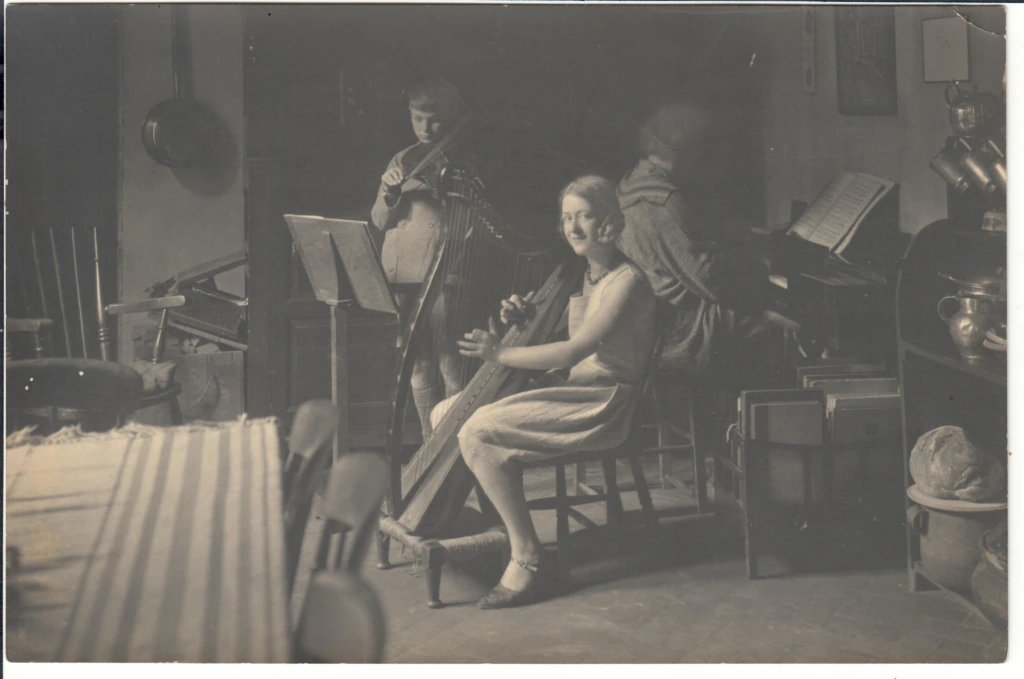
“We’re motivated to explore hidden stories and lesser-known artists because of the way they intersect with our more familiar narratives,” Fuller continues. “This is hugely valuable, not just to us but to the sector as a whole, as it develops art historical narratives and challenges ableist, gender biased and other engrained attitudes.
Advertisement
Fuller says that, beyond exhibitions and programming, a big challenge is funding.
“Philanthropy is minimal outside London, and funders are prone to make judgements that being based in south-east England means we must be well off. In fact, we have no revenue funding and as an independent charity have to raise every penny from earned or donated income.”
Fuller also says that other challenges faced by the museum include poor public transport, which means it is difficult for audiences to reach the venue. This also means costs for outreach work are high, because the museum needs to offer accessible transport to participants.
“This can be looked on negatively by funders when in reality it’s the only opportunity many rurally isolated people have to take part in cultural activity,” Fuller says.
Engaging communities
Mostyn in the small seaside town of Llandudno in north Wales also caters for audiences who might not have that many opportunities to engage with art. It offers an ambitious programme that is designed to be on a par with those in global art centres.
“We serve suburban, rural and coastal locations, local residents and tourists,” says interim director Clare Harding. “We deliver work in Welsh and English, and want to have relevance to even those who believe art is ‘not for them’.”
“We see ourselves as a cultural anchor – a resource for all in north Wales and beyond”
“Mostyn is an institution that is asking itself questions in terms of our users, communities, audiences and our ways of functioning,” Harding continues.
“We are consistently responsive to the answers we receive. We see ourselves as a cultural anchor – a resource for all in north Wales and beyond – but there are additional challenges in meeting the needs of such an area.
Harding says that Mostyn’s curatorial approach includes supporting the arts ecosystem through the commissioning of Welsh emerging artists, the development of site responsive works that address the issues that affect its audiences, and inclusive public programmes where it works collaboratively with creative partners who also reach into diverse regional communities.
“We work with artists, but also writers and creative producers who all bring their perspectives to our work,” Harding explains.
“Offering free access, co-creating activities to meet participant needs, and providing time and space for individuals and their families or support workers to engage with contemporary art and creative workshops, generates valuable opportunities for respite, connection and impactful engagement.”
Social and cultural equity
Chapter in Cardiff offers a wide range of facilities, including a gallery, artists’ studios, theatres, cinemas, rehearsal and hire spaces, cafe bar and community garden. Its community-focused approach prioritises social and cultural equity, connection and shared purpose.
“We see culture as an expression of society and, as such, we aim to nurture what exists outside our walls,” says Hannah Firth, Chapter’s artistic director.
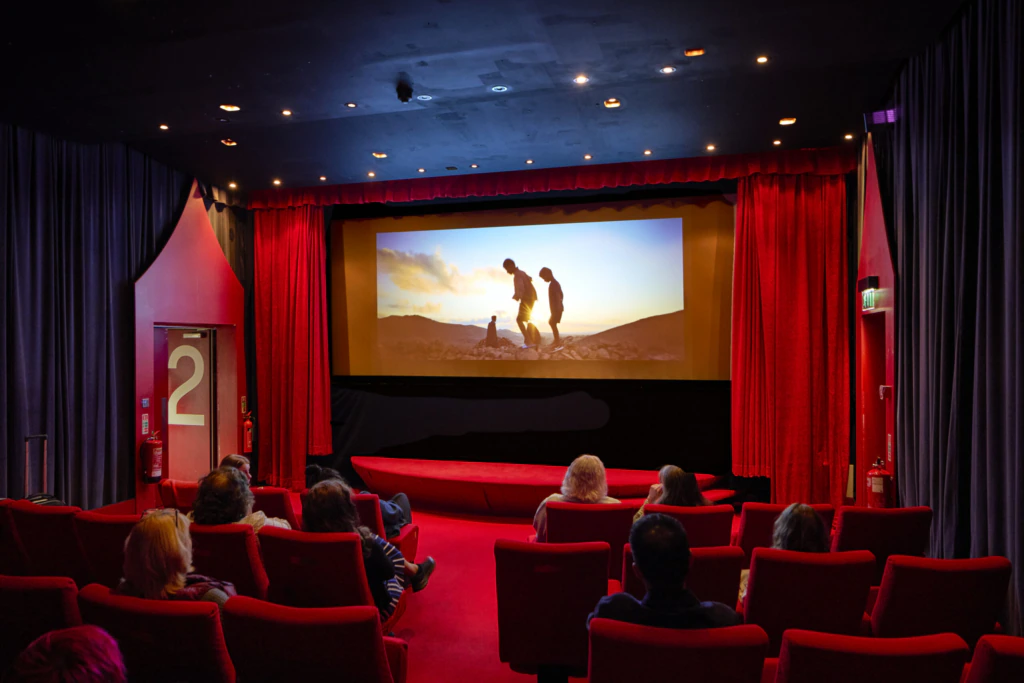
“Community is embedded across all the work we do and is our starting point for understanding culture, programming, the venue and everything else. We work with our local community to centre co-created programmes and to redistribute our resources and opportunities to ensure they have agency as the protagonists of their own cultural lives.”
But securing sufficient funding is tricky for Chapter. “As with most cultural institutions, arts centres face huge financial and resourcing challenges with prices rising across the board, the deepening cost-of-living crisis and increasing competition for depleting funding,” Firth says.
See Chapter on a tour at this year's conference
Conference 2025: Perthyn - Belonging, 6-9 October
As part of our packed programme of tours on 9 October, meet artistic director Hannah Firth and curator Sim Panaser, who will give delegates an introduction to Chapter and its current installation by artist Sophie Mak-Schram: To Shift a Stone.
“Across Wales, access to further and higher education opportunities are under threat and career development in the cultural sector is limited as organisations freeze recruitment,” Firth continues.
“Nurturing and diversifying creative talent, developing and retaining skills and being open to taking risks must remain a priority. As a sector we need to find ways to navigate these challenges collaboratively.
“Working together, we can focus on assets rather than deficits and remain responsive to the shared interests and aspirations of the communities we serve.”