
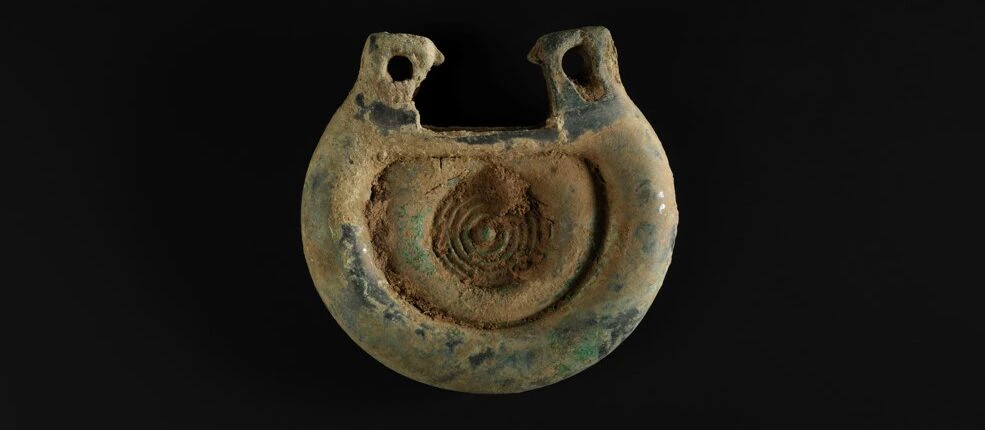
Treasure and archaeological finds have been in the headlines quite a lot in recent months. Last September, the highest-value find ever recorded under the Treasure Act was acquired by the South West Heritage Trust for £4.3m.
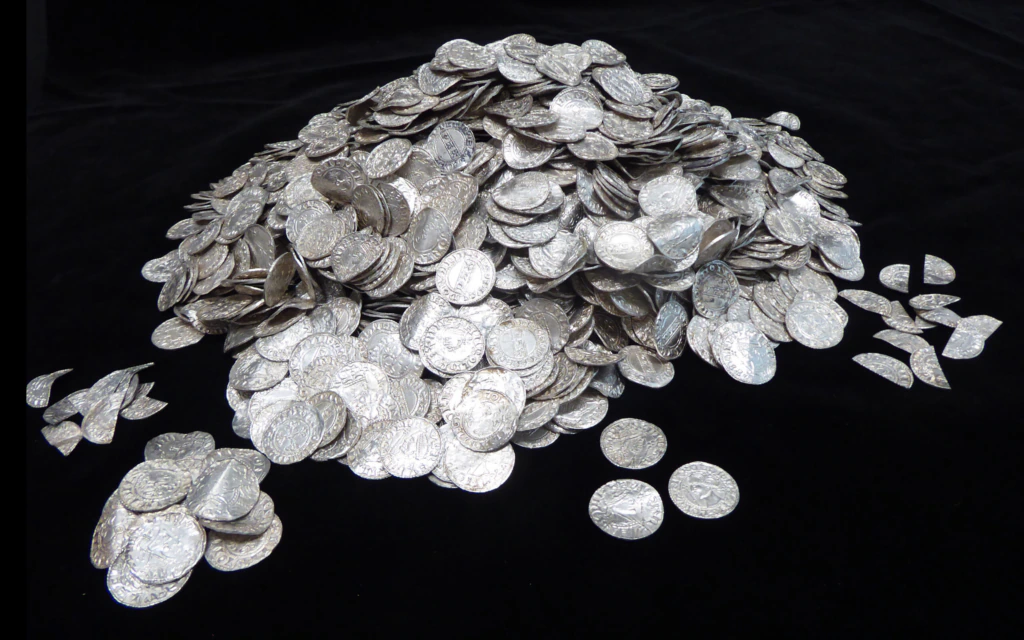
Currently on show at the British Museum, the Chew Valley Hoard – 2,584 coins dating back to the Norman Conquest – will tour the UK before going on permanent display at the Museum of Somerset in Taunton.
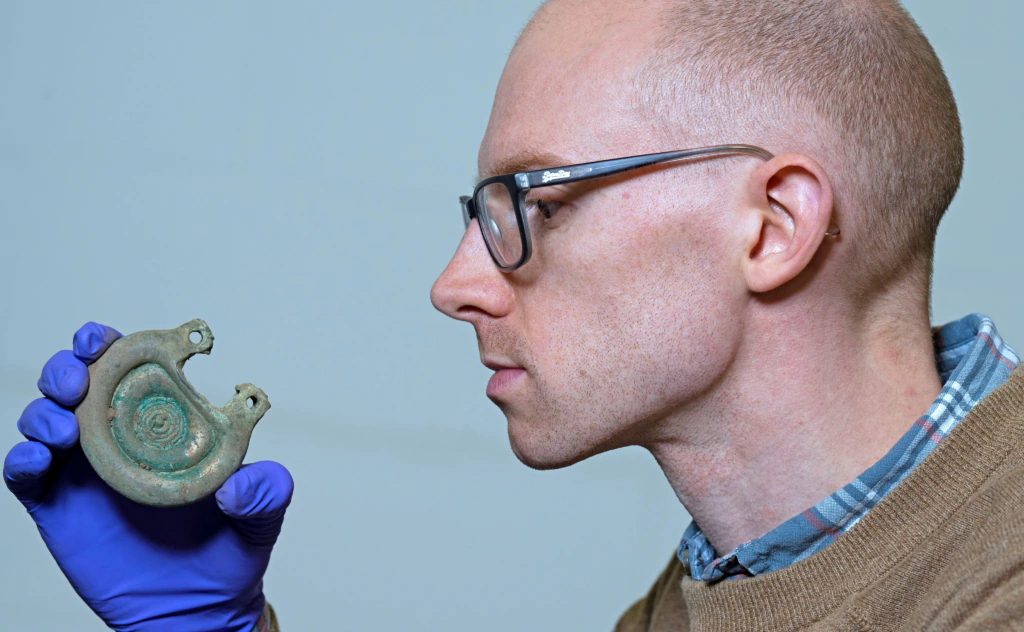
National Museums Scotland, meanwhile, recently revealed that it had acquired the 3,000-year-old Peebles Hoard, comprising more than 500 unusual pieces that may well rewrite our understanding of bronze age society.
These exceptional finds underline the importance of the Portable Antiquities Scheme (PAS) and Treasure Act legislation in England, Wales and Northern Ireland, and Scotland’s Treasure Trove system, without which such discoveries would not be reported or made available to museums for acquisition.
But across the UK, the systems put in place for reporting finds are under increasing pressure. Metal detecting has exploded in popularity over the past decade, buoyed by TV shows like Detectorists and the pandemic, which saw many people take it up as a suitably socially-distanced hobby.
The number of finds reported across the UK continues to grow yearly. At the same time, 15 years of shrinking budgets have reduced capacity across the museum and heritage sectors.
Advertisement
The PAS, which oversees the obligatory reporting of treasure and the voluntary reporting of other archaeological finds, is funded by the Department for Culture, Media and Sport and has generally been well supported by successive governments.
However, there are an estimated 40,000 metal detectorists operating in England and Wales, compared with about 40 finds liaison officers employed by the PAS to record finds – that’s one officer for every 1,000 detectorists.
Fostering cooperation
Efforts to foster cooperation between archaeologists and metal detecting communities are being made. Last year, the All-Party Parliamentary Archaeology Group held an inquiry into how to advance relations between the two, which have already improved significantly since the PAS was introduced.
The inquiry is yet to report its findings, but it is hoped it will lead to more-formalised and mutually supportive relationships, with more finds being acquired by museums.
Advertisement
The definition of treasure has been broadened, following the discovery of significant objects that fell outside the act’s scope. In 2023, the Treasure Act, which legally obliges finders in England and Wales to report precious metal finds that meet certain criteria, was reformed for the first time since its introduction in 1996 to include archaeological finds of outstanding significance beyond their material composition.
Growing backlog
Scotland’s Treasure Trove system is also being re-examined. A report published on the scheme last year – the first review in more than 20 years – found that, although it is largely successful, the system is not keeping pace with the boom in finds, resulting in a growing backlog.
The review also found the scheme has been affected by the wider funding crisis in museums, which has hollowed out specialist expertise and the museum sector’s capacity to process and acquire finds.
The report found: “Shrinking funds for acquisitions, multiple pressures on staff time and diminishing archaeological expertise across the sector are all concerns among museums, with potential long-term consequences for the preservation and sharing of Scotland’s heritage.”
It said the expectation that museums can continue to supply the expertise, funds and space for ever-growing archaeological collections “should not be taken for granted”.
Advertisement
The report proposed setting up a network of Treasure Trove partner museums, to act as local hubs for processing finds. A pilot network is due to launch in the coming months, with museums across Scotland invited to apply to be partners.
“The treasure administration in Scotland is quite centralised,” says Stuart Allan, who chaired the Treasure Trove review.
“We don’t have the network of finds liaison officers that exist in other parts of the UK for reasons to do with geography and population. Our conclusion was that we needed to do something different.
“We want to trial a scheme that shows museums are recognised and get a little bit of support for doing that work with the Treasure Trove system. And then see what sort of impact that has on reporting and on the efficiency of the process.”
The review also recommends simplifying the process around reporting finds and investing in “people and technology at a level that allows the Treasure Trove system to deliver public benefit in its present and future operating environment”.
This will include rewriting the code of practice for detectorists, developing resources such as an app for reporting finds and doing more to promote understanding of the scheme’s public benefit.
The recommendations have been accepted by the King’s and Lord Treasurer’s Remembrancer, who oversees the scheme on behalf of the Crown. It is hoped that these reforms will make it easier for museums to continue their vital role in the scheme, says Allan.
“What we can do is gear the administration of the system to make acquiring archaeological finds as smooth as possible for museums and for finders, and build on the support that the treasure trove unit already gives to museums,” he says.
Although it creates challenges, there is a broad consensus that the boom in archaeological finds is a huge positive, and that any attempt to reduce the number of finds going into the system would be misguided. What is needed instead is better planning, more streamlined processes and strategic investment.