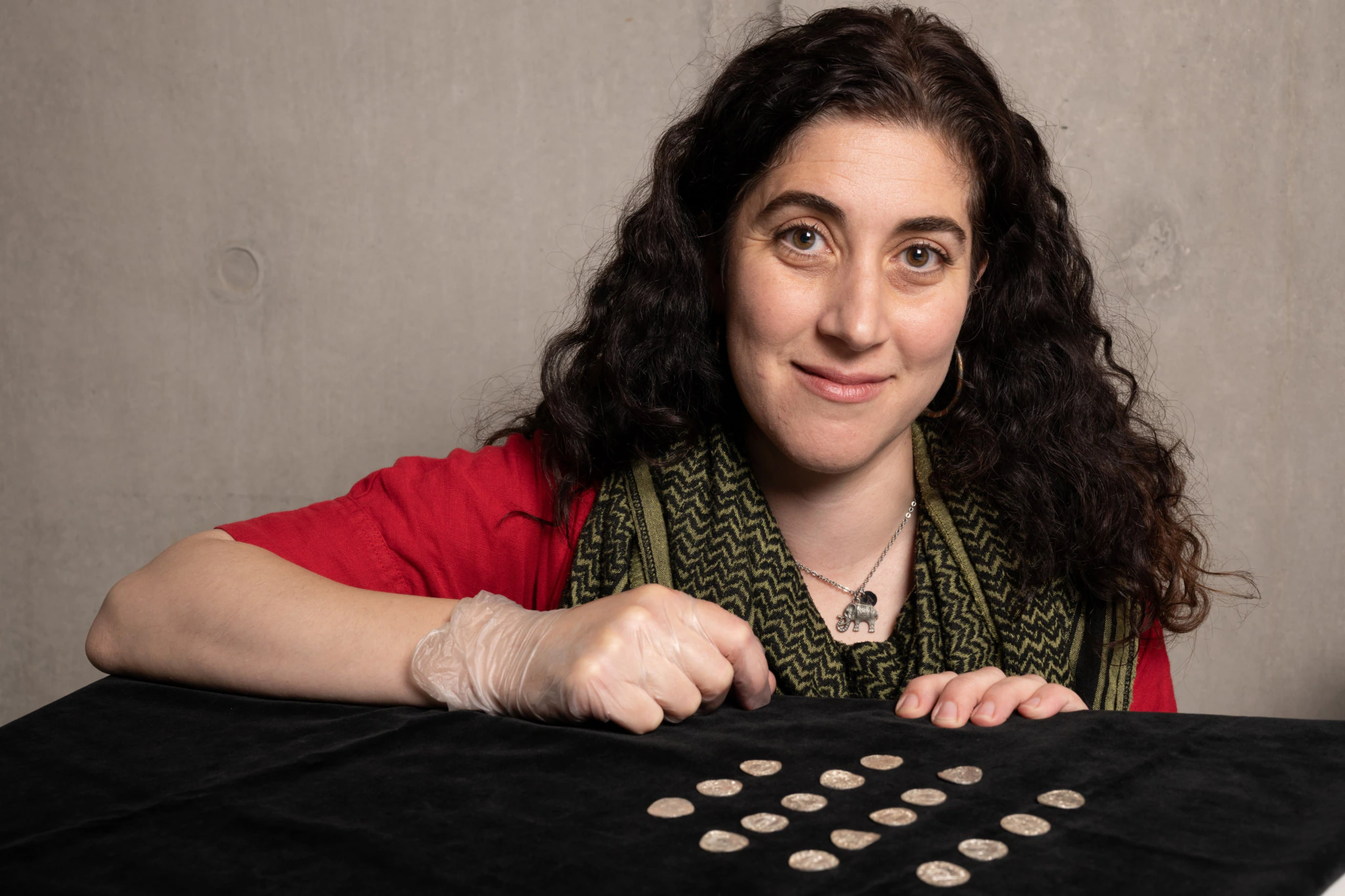
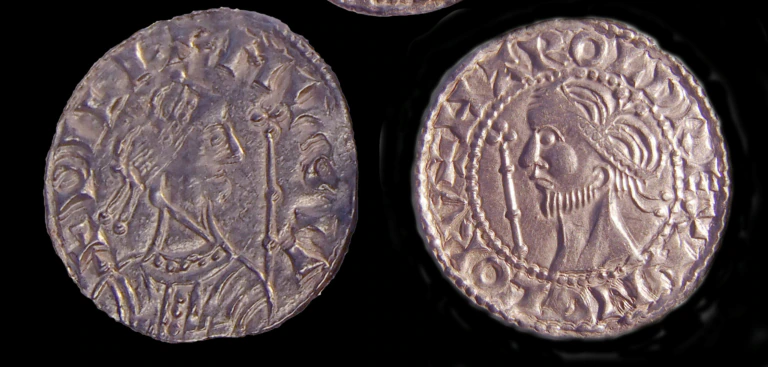
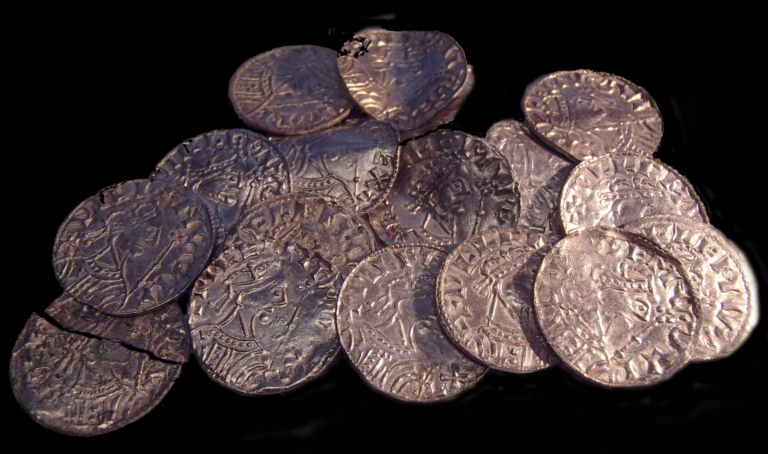
A hoard of 2,584 silver pennies, discovered by metal detectors in Somerset in 2019, has been acquired for the nation by South West Heritage Trust.
The unprecedented hoard of coins dates from the time of the Norman Conquest of England (c. 1066-1068) and is thought to have been buried in the Chew Valley area of Bath and North East Somerset for safekeeping during the turmoil.
Valued at £4.3 million, this is the highest-value find ever recorded under the Treasure Act 1996, which applies across England and Wales.
The British Museum will put the coins on display in London from 26 November. They will later be displayed at museums across the UK before finding a permanent home at the Museum of Somerset in Taunton.
The acquisition and an associated engagement programme have been funded through a £4.4m National Lottery Heritage Fund grant, as well as grants from Art Fund, the Friends of The Museum of Somerset, and the Somerset Archaeological and Natural History Society.
Sam Astill, the chief executive of the South West Heritage Trust, said: “The hoard symbolises a pivotal moment in English history and we are delighted to have made this acquisition so that it may be enjoyed by generations to come.
Advertisement
“It highlights the power of museums, collections and stories to inspire people and communities and has been made possible thanks to a wide range of partners working together to ensure our heritage is protected and accessible for everyone.”
The museum service will be able to apply for further grants from the Lottery Fund towards the hoard’s permanent display at the Museum of Somerset.
The hoard was discovered on 26 January 2019 by seven finders while they were metal detecting in the Chew Valley. They reported the find via the British Museum’s Portable Antiquities Scheme, which records archaeological finds made by the public.
Michael Lewis, head of the Portable Antiquities Scheme, said: “We are delighted the Chew Valley Hoard has been acquired by the South West Heritage Trust and that our visitors have the chance see it here in London first before it returns home to the Museum of Somerset.
“This incredible acquisition again underlines the importance of the Portable Antiquities Scheme in preserving our nation’s heritage. I want to extend thanks to the British Museum conservators and curators who worked on this project - we are proud of our role in its journey from discovery to display.”