Local authority museums and galleries in Hull have more than doubled their average visitor numbers since the city became UK City of Culture 2017.
“In a typical year, our museums service would attract about 500,000 visits,” says Simon Green, the director of cultural services at Hull Culture and Leisure, which run’s Hull City Council’s culture offer. “We’re in excess of 700,000 visits since January.”
According to research released by the University of Hull in June, more than 500,000 people visited Hull’s museums and galleries in the first four months of the year, with the Ferens Art Gallery and the city’s Maritime Museum experiencing year-on-year increases of 500%. The Ferens Art Gallery reopened on 13 January following a £5.1m refurbishment.
Over the same period, nine out of 10 of Hull’s residents experienced cultural activity, as a result of the UK City of Culture initiative. More than 340,000 visits were made to a City of Culture activity in the opening week, with 1.4 million in the first three months.
Arts Council England (ACE) designated the Humber Museums Partnership, comprising the museum services of Hull, North Lincolnshire and East Riding, a National Portfolio Organisation in June, with £3.9m of funding from 2018 for four years. ACE has also pledged £2.4m to a consortium including the City of Culture for community-focused culture, as part of its Creative People and Places scheme.
“Between the different agencies in the city, there is a clear ambition that we have to have a clear plan – not to squander what 2017 has given us,” says Green. “We need to move things forward and learn as well. We’ve had a mass of visits to the city, so it’s understanding how you manage that on a practicalevel and on a long-term strategic level.”
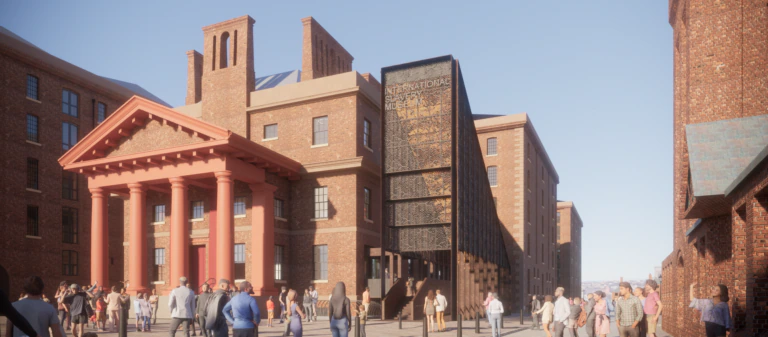
In July, the council announced details of a £27.5m long-term regeneration of the city’s maritime offer, the Maritime City project. The Heritage Lottery Fund will provide £15m for the scheme, with Hull City Council supplying the rest. The project will include the redevelopment of the city’s Maritime Museum and the restoration of two historic ships.
Strong legacy
Martin Green, Hull City of Culture 2017’s chief executive, says he is looking at how organisations in Hull can work together to deliver a strong legacy.
“There is sometimes a rush to load the responsibility of legacy on to a single organisation,” he says. “Bidding for this was a collective act, delivering it was a collective act and the legacy needs to be a collective act.”
Green pointed to longterm projects such as the Ferens refurbishment, the £16m revamp of Hull New Theatre, which is reopening in September, and the ongoing £25m reinvigoration of the city’s public realm.
The City of Culture bid document claimed the initiative’s economic impact would be worth £60m, although figures will not be available until early next year.
“The way that audiences in this city have responded is exactly what you’d hope for,” adds Green.
“We’re pretty sure if people come once, they will come again. It’s about continuing to develop the offer, and the longterm offer around maritime heritage is an important one. We need to keep that offer interesting and surprising.”
Simon Green is speaking in a session on cultural regeneration at the Museums Association Conference in Manchester, 16-18 November. www.museumsassociation.org/conference
“In a typical year, our museums service would attract about 500,000 visits,” says Simon Green, the director of cultural services at Hull Culture and Leisure, which run’s Hull City Council’s culture offer. “We’re in excess of 700,000 visits since January.”
According to research released by the University of Hull in June, more than 500,000 people visited Hull’s museums and galleries in the first four months of the year, with the Ferens Art Gallery and the city’s Maritime Museum experiencing year-on-year increases of 500%. The Ferens Art Gallery reopened on 13 January following a £5.1m refurbishment.
Over the same period, nine out of 10 of Hull’s residents experienced cultural activity, as a result of the UK City of Culture initiative. More than 340,000 visits were made to a City of Culture activity in the opening week, with 1.4 million in the first three months.
Arts Council England (ACE) designated the Humber Museums Partnership, comprising the museum services of Hull, North Lincolnshire and East Riding, a National Portfolio Organisation in June, with £3.9m of funding from 2018 for four years. ACE has also pledged £2.4m to a consortium including the City of Culture for community-focused culture, as part of its Creative People and Places scheme.
“Between the different agencies in the city, there is a clear ambition that we have to have a clear plan – not to squander what 2017 has given us,” says Green. “We need to move things forward and learn as well. We’ve had a mass of visits to the city, so it’s understanding how you manage that on a practicalevel and on a long-term strategic level.”
In July, the council announced details of a £27.5m long-term regeneration of the city’s maritime offer, the Maritime City project. The Heritage Lottery Fund will provide £15m for the scheme, with Hull City Council supplying the rest. The project will include the redevelopment of the city’s Maritime Museum and the restoration of two historic ships.
Strong legacy
Martin Green, Hull City of Culture 2017’s chief executive, says he is looking at how organisations in Hull can work together to deliver a strong legacy.
“There is sometimes a rush to load the responsibility of legacy on to a single organisation,” he says. “Bidding for this was a collective act, delivering it was a collective act and the legacy needs to be a collective act.”
Green pointed to longterm projects such as the Ferens refurbishment, the £16m revamp of Hull New Theatre, which is reopening in September, and the ongoing £25m reinvigoration of the city’s public realm.
The City of Culture bid document claimed the initiative’s economic impact would be worth £60m, although figures will not be available until early next year.
“The way that audiences in this city have responded is exactly what you’d hope for,” adds Green.
“We’re pretty sure if people come once, they will come again. It’s about continuing to develop the offer, and the longterm offer around maritime heritage is an important one. We need to keep that offer interesting and surprising.”
Simon Green is speaking in a session on cultural regeneration at the Museums Association Conference in Manchester, 16-18 November. www.museumsassociation.org/conference